Why Transparency Is a Functional Spec, Not Just a Nice-to-Have
- Written by: Viw Magazine
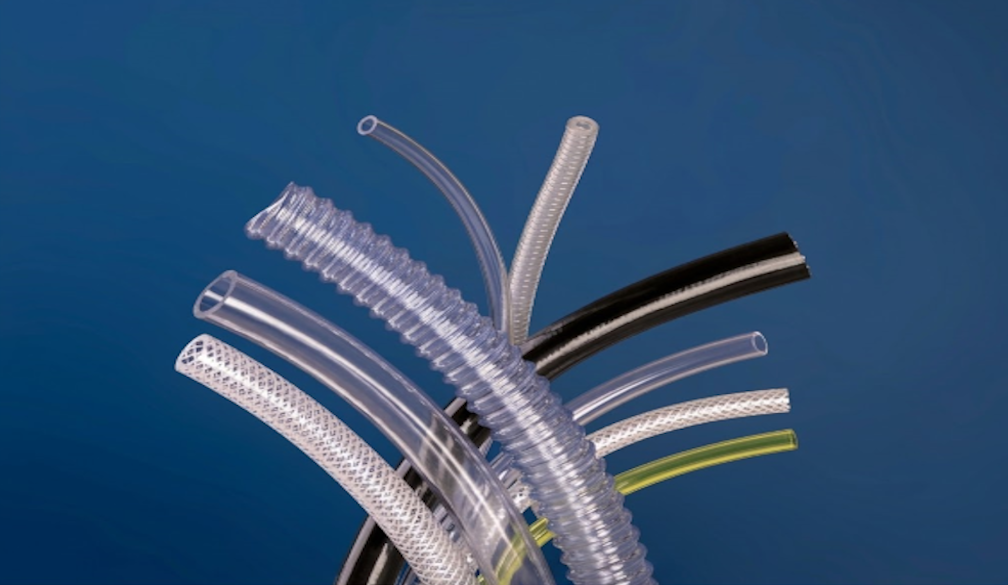
Ask an operator standing at a transfer line what they actually watch during a run, and it's rarely the flow meter alone. It's the tubing itself, the visible movement of product, the absence of bubbles, the colour and consistency staying exactly where it should. That kind of visual monitoring gets treated as a background habit rather than a documented control, but it's doing real work, and it only exists because someone chose a tubing material that let them see through it in the first place.
Where Sensors Can't Reach, Eyes Still Can
Inline sensors are brilliant for what they're validated to detect, but they're not everywhere, and they're not always the right tool for catching the kind of anomaly an experienced operator spots instantly. Air entrainment during a transfer, an unexpected colour shift, particulate that shouldn't be there, these are the sort of things a trained eye picks up faster than a probe designed to measure something else entirely. Clear PVC tubing earns its place in these applications precisely because it turns an otherwise opaque process step into something continuously observable, without adding another validated instrument to the line.
The Cost of Losing Visibility Mid-Run
Think about what happens when a transfer line uses opaque tubing in a section where visual confirmation actually matters. A partial blockage, a slow leak developing at a fitting, or subtle foaming that shouldn't be occurring can all go unnoticed until the batch record shows an unexplained variance further downstream. By that point, the investigation starts from a much weaker position, working backward through a process step nobody could actually watch happen. Transparency at the right points in a line closes that gap before it becomes a deviation report.
Flexibility Without Losing the View
Visual monitoring is only half the story if the tubing can't actually be routed where the process needs it. Transfer lines rarely run in straight paths, they bend around skids, thread through tight equipment layouts, and connect points that were never going to line up conveniently. Flexible PVC tubes solve this by combining that same visual clarity with a tighter achievable bend radius, letting engineers route lines through constrained spaces without introducing kink risk or forcing a redesign of the surrounding layout.
Knowing Where This Actually Applies
None of this is an argument for using clear PVC everywhere. Product-contact applications with aggressive chemical exposure or repeated sterilisation cycles have their own material requirements, and that's exactly where fluoropolymer or silicone tubing earns its higher cost. The point here is narrower: for utility lines and non-critical transfer applications where visual confirmation adds genuine operational value, transparency deserves to be treated as a deliberate spec decision, not an afterthought decided by whatever tubing happened to be on hand.
A Small Spec With Outsized Value
It's easy to overlook something as simple as being able to see through a piece of tubing, right up until the one time that visibility catches a problem before it becomes a batch-affecting event. Treating transparency as a genuine functional requirement, rather than an incidental feature, means that decision gets made deliberately at the design stage instead of being left to chance further down the line.