Behavioural Optometrist: Enhancing Vision and Overall Eye Health
A behavioural optometrist plays a critical role in addressing more than just visual acuity. Unlike traditional optometrists who focus primarily on prescription lenses and eye exams, behavioural optometrists assess how the eyes function in relation to the brain and overall body coordination. Their approach emphasises the connection between vision, learning, development, and daily activities, offering solutions for both children and adults experiencing functional vision challenges.
Vision is more than just seeing clearly; it encompasses eye movement, focus, tracking, and coordination with the brain. Many individuals experience difficulties that are not immediately apparent in standard eye tests, such as eye strain, headaches, reading difficulties, or poor hand-eye coordination. Behavioural optometrists specialise in detecting these underlying functional issues and designing targeted interventions to improve visual efficiency and comfort.
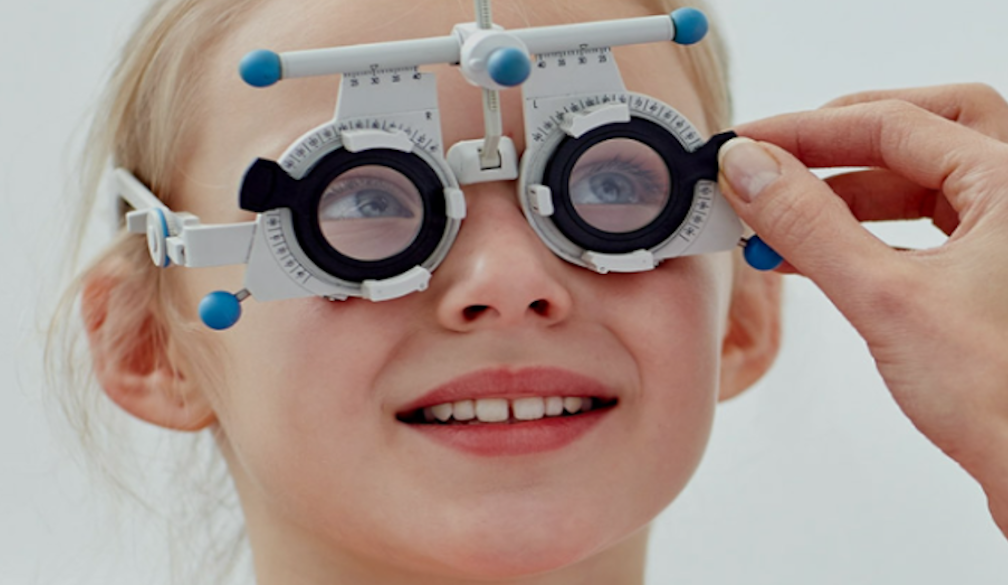
One of the key areas of focus for a behavioural optometrist is vision development in children. Early identification of visual difficulties can have a profound impact on learning and academic performance. Children with undiagnosed vision problems may struggle with reading, writing, and concentrating in school, often being mistakenly labelled as inattentive or having learning difficulties. Behavioural optometrists assess how the eyes work together, how the brain processes visual information, and how vision affects daily functioning, offering therapies that can enhance both visual and cognitive performance.
Adults can also benefit from behavioural optometry services. Many adults experience symptoms such as eye fatigue, difficulty focusing on screens, double vision, or reduced depth perception. These issues can affect work efficiency, driving safety, and overall quality of life. A behavioural optometrist evaluates the functional performance of the eyes, identifying deficits and recommending corrective measures such as vision therapy, specialised lenses, or exercises to strengthen visual skills.
The approach of a behavioural optometrist is holistic, considering the interplay between vision, posture, and movement. Visual challenges can sometimes manifest as physical symptoms, including neck or shoulder tension, poor posture, or balance problems. By addressing vision function rather than just clarity, behavioural optometrists help individuals achieve better coordination, reduce strain, and enhance overall well-being.
Midway through considering vision care options, many individuals seek guidance from a behavioural optometrist to access specialised services. This professional assessment goes beyond standard eye exams, providing a comprehensive evaluation of visual skills, eye-brain coordination, and potential areas of improvement. Such services are particularly valuable for children with learning difficulties, athletes seeking enhanced performance, or adults with functional vision challenges.
Vision therapy is a core component of behavioural optometry. Tailored programs of exercises and activities are designed to train the eyes and brain to work together more effectively. These programs may focus on improving tracking, focusing, eye teaming, and visual perception skills. Vision therapy is often compared to physiotherapy for the eyes, as it strengthens visual abilities through guided practice and consistent repetition.
Corrective lenses prescribed by behavioural optometrists may also differ from standard prescriptions. These lenses are designed not only to improve visual acuity but also to enhance specific visual functions, such as convergence, eye coordination, or reducing eye strain. By addressing the functional aspects of vision, individuals can achieve improved comfort and performance in daily tasks, learning environments, and professional settings.
Behavioural optometry also emphasises early intervention. Detecting and addressing visual function issues during childhood can prevent long-term learning challenges and improve developmental outcomes. Regular assessments can identify potential problems before they manifest as significant difficulties, allowing timely intervention with exercises, therapy, or corrective lenses.
For adults, behavioural optometry contributes to occupational efficiency and safety. People who spend extended hours on computers, work in visually demanding environments, or engage in sports often experience functional vision issues that impact performance. Behavioural optometrists provide assessments and solutions tailored to these specific demands, enhancing productivity and reducing discomfort.
Education and awareness are critical components of behavioural optometry. Practitioners work closely with patients, parents, teachers, and other professionals to develop a clear understanding of the visual challenges and the recommended interventions. This collaborative approach ensures that vision therapy or corrective measures are integrated into daily life effectively.
Cost and accessibility considerations are often addressed by choosing a reputable behavioural optometrist. While specialised services may involve a higher initial investment compared to standard eye exams, the long-term benefits include improved visual function, reduced strain, enhanced learning, and better quality of life. Investing in functional vision care can prevent more significant challenges in both educational and professional contexts.
Ultimately, behavioural optometry is about more than improving sight—it is about optimising the way individuals use their vision in daily life. By addressing functional vision, eye coordination, and the interaction between the eyes and the brain, behavioural optometrists offer solutions that enhance learning, performance, and overall comfort.
Conclusion
A behavioural optometrist provides specialised care that goes beyond standard eye exams, focusing on the functional performance of the eyes and their interaction with the brain. Services include comprehensive assessments, vision therapy, and corrective solutions aimed at improving coordination, learning, and daily performance. Accessing a behavioural optometrist ensures that both children and adults can achieve optimal visual function, reduce eye strain, and enhance overall quality of life. This holistic approach to eye care underscores the importance of vision in everyday activities, learning, and long-term well-being.