Flooring Trends Australian Homeowners Are Loving This Year
- Written by: Viw Magazine
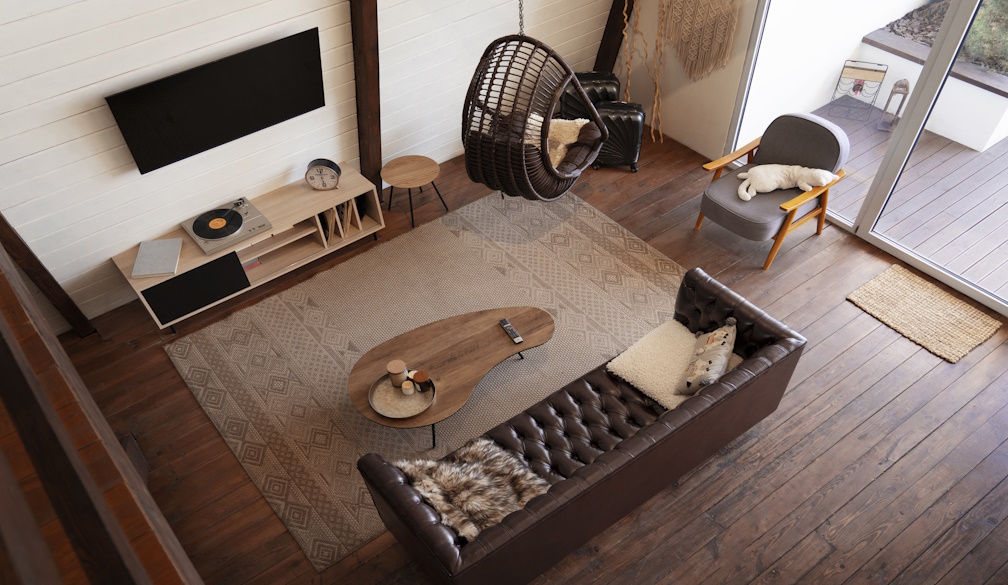
Floors are the one part of a renovation you walk on every single day, yet they are often the last thing people think about. Paint colours get weeks of deliberation. Benchtops get endless Pinterest boards. Then the floor gets chosen in a rush because the builder needs an answer by Friday.
That is a shame, because flooring sets the tone for an entire home. It is also one of the most expensive surfaces to change later. Fortunately, the current crop of trends leans towards warmth, longevity and natural materials, with engineered timber flooring leading the way for homeowners who want the look of real wood with a little more stability and versatility.
1. Wide boards are here to stay
Narrow strip flooring had its moment, but the shift towards wider boards has been building for years and shows no sign of slowing. Wide planks make rooms feel larger and calmer because there are fewer joins breaking up the surface. They also show off the grain and character of the timber beautifully.
Engineered boards are particularly well suited to wider formats. Their layered construction makes them less prone to cupping and movement than solid timber of the same width.
2. Natural, lighter tones
The dark espresso floors of the early 2000s have largely given way to lighter, more natural tones. Think European oak in soft blonde, raw or limed finishes, and subtle washed looks that let the grain shine through.
These colours suit the relaxed, coastal and Scandinavian-inspired interiors that remain popular in Australia. They are also forgiving in everyday life, hiding dust and pet hair far better than very dark finishes.
3. Matte over gloss
High-gloss floors look spectacular in a showroom and slightly less so after a week of school shoes and a dog. Matte and satin finishes have become the go-to choice, giving floors a softer, more natural feel. They also make scratches and scuffs less noticeable, which is a practical win for busy households.
4. Herringbone and chevron patterns
Parquetry is enjoying a strong revival, especially herringbone and chevron layouts. These patterns add a sense of craftsmanship and heritage, and they work well in both period homes and modern builds.
Many homeowners use them selectively, such as in an entry hall or dining area, while sticking with straight boards elsewhere. That keeps costs manageable while still creating a feature.
5. Australian hardwoods with a modern twist
While European oak dominates many showrooms, local hardwoods remain popular for their richness and durability. Spotted gum, blackbutt and Tasmanian oak each have a distinct character. The current trend is to finish them in lighter, more natural coatings that tone down the orange hues some people associate with older homes.
6. Hard-wearing options for real life
Not every room suits timber. Laundries, bathrooms and some high-traffic areas call for something more resilient. Hybrid and luxury vinyl products have improved enormously, and many now offer convincing timber looks with added water resistance.
The smart approach is often a combination: timber in living areas and bedrooms, with tiles or hybrid flooring in wet zones, chosen in colours that flow nicely from one to the other.
7. Uninterrupted flow between rooms
Open-plan living has pushed many homeowners towards a single, continuous floor throughout the main living spaces. Avoiding transitions between rooms makes the home feel larger and more cohesive. Some even carry the same flooring through to an undercover alfresco area using matching outdoor-rated materials.
8. Sustainability matters more
Buyers are asking more questions about where their flooring comes from. Certified timber, low-VOC finishes and products designed to last for decades are increasingly important. Engineered timber appeals here too, because it uses a thinner layer of premium hardwood on top of a stable core, making efficient use of the timber.
How to choose wisely
Trends are useful for inspiration, but the right floor depends on how you live. A few questions to consider:
- Do you have kids, pets or both?
- Is the floor going on a concrete slab, over existing boards or on a suspended subfloor?
- Will the room get strong direct sunlight, which can fade some finishes?
- Do you plan to stay in the home long-term, or renovate to sell?
Order samples, take them home and look at them in different light throughout the day. A colour that looks perfect under showroom lighting can look completely different in your living room at four in the afternoon.
Choose well, and your floor will quietly do its job for decades, which is about the best thing you can say about any part of a home.