Planning Home Rewiring? Why Sydney Electricians Start with RCD Testing
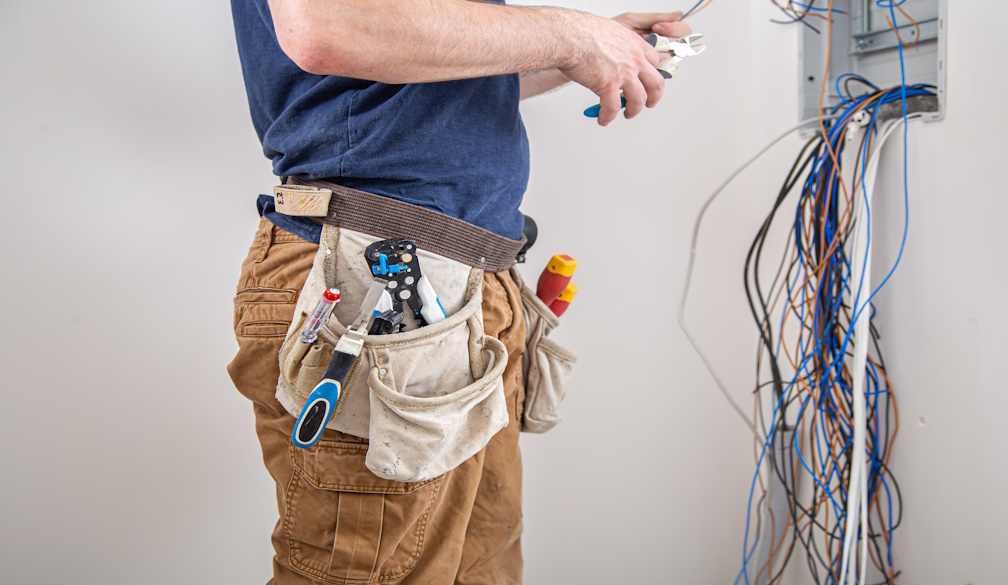
It can be quite overwhelming thinking about rewiring your home. You may reside in a charming old terrace or even a modern townhouse; there's so much to consider, but it's best to always remember that your safety should always come first. That’s why a trusted electrician Inner West Sydney always starts with RCD testing before touching a single wire.
Even though it may seem like an extra step, it's best to check your existing safety switches before any work begins, as it can save you a lot of headaches and money, and most importantly, keep your family safe during the process. Understanding this first step is key, especially if you're planning home rewiring.
Understanding the Safety Foundation Before Any Rewiring Work
Think of your home's electrical system as a network of highways. RCDs are like emergency exit ramps. To prevent accidents when something does go wrong, they're immediately “cut off the road.” Without them, a minor electrical problem can turn into a big safety risk as they're designed to disconnect electricity in a millisecond if a fault does occur.
Professionals check if these devices are working properly before starting any serious electrical work. Such as testing whether the RCD trips fast enough and reacts the way it was intended to. If it fails to do so, even the best wiring upgrade won't fully protect your home. Starting with this step gives electricians a clear picture of your switchboard’s condition. It helps them spot potential hazards before new wiring goes in, preventing harmful surprises once work is underway.
Why RCD Performance Matters in Older Sydney Homes
In Sydney's Inner West, a lot of houses have been there for many years. Despite having a timeless charm, the electrical systems are frequently subpar. Insulation declines with time, and previous owners may have made some adjustments. Additionally, modern appliances impose an additional load on circuits. An important concern in any rewiring project is that outdated, faulty, or poorly rated RCDs may not react appropriately during a malfunction. By testing them first, you can be sure that everything is prepared to keep you and your house safe.
Sometimes, electricians even find properties with no RCDs at all, especially in older fuse-based switchboards. In those cases, upgrading the switchboard becomes the priority; think of it like laying a solid foundation before building a house. Early testing also helps catch minor issues, like RCDs that trip too often.
How Early Testing Prevents Costly Project Delays
Not only is rewiring not just a weekend DIY project, but it's also a big investment. Walls might need to be opened, ceilings accessed, and parts of the house temporarily without power. Discovering a safety problem halfway through can mean extra labour, unexpected costs, and a lot of frustration.
By testing RCDs upfront, electricians can:
- Make sure your switchboard meets current standards
- Identify circuits that need redesigning
- Spot insulation faults before walls are torn down
- Plan how electrical loads are shared across the house
- Integrate new circuits safely with existing protection
It's similar to planning a road trip. You may avoid becoming stranded in the middle of nowhere by checking your car, fuel, and route first. In the same manner, beginning with safety inspections simplifies and maintains the rewiring process. Additionally, confirmation that your safety measures are up to code is frequently required by building inspectors and insurance providers. It is simpler to give paperwork during renovations or while selling your house if you test early.
The Link Between Modern Appliances and Circuit Protection
Many homes now run on more devices than ever. The electrical load keeps growing, from induction cooktops to high-powered air conditioners, plus home office setups with computers, printers, and smart devices. Replacing old cables isn't what rewiring is all about; it's about preparing your home for today's demands and tomorrow's upgrades. But adding new circuits into the mix without checking your protection devices, you risk overloading circuits or causing trips.
Testing RCDs from the start ensures that each new circuit will be protected properly. Electricians can assess your device needs, determine if combination RCBO units make sense, and balance the electrical load across your home. Modern rules also require dedicated protection for areas like bathrooms, kitchens, and outdoor outlets. By testing first, electricians can see if your existing setup meets these requirements or if the switchboard needs a full upgrade. It’s all about preventing future headaches like tripping switches at the worst possible moment.
Compliance, Certification, and Long-Term Peace of Mind
Electrical regulations require safety switches to be installed and fully operational. Licensed electricians need to make sure any upgrades meet these standards and that all work is certified properly. Starting with RCD testing supports compliance from day one. If a device fails, it can be replaced immediately, so your newly rewired home is safe and up to code the moment the job’s finished.
This isn’t just about following rules; it’s about peace of mind. Electrical faults are one of the leading causes of home fires, and a properly functioning RCD can stop a dangerous situation before it occurs. For families, that protection is priceless. Kids, pets, or even guests can’t always spot hazards, but a working safety switch acts like an invisible guardian. In the long run, starting with thorough protection checks also protects your investment. A thoughtfully designed, properly protected system not only reduces wear on appliances and minimises faults, but also makes future upgrades like solar installation seamless.
Conclusion
Rewiring your home isn’t just about swapping old wires for new ones; it’s about building a safe, reliable system that can handle modern living. Starting with RCD testing uncovers hidden risks, keeps your project on schedule, and ensures every new circuit is properly safeguarded.
Electricians who prioritise this step are setting the stage for a smooth, stress-free upgrade. If you’re planning a major electrical renovation, working with a professional who starts with detailed safety checks means your home will be protected, compliant, and future-ready for many years to come.