Honouring Faith and Family: Understanding Traditional Funeral Rites in Australia
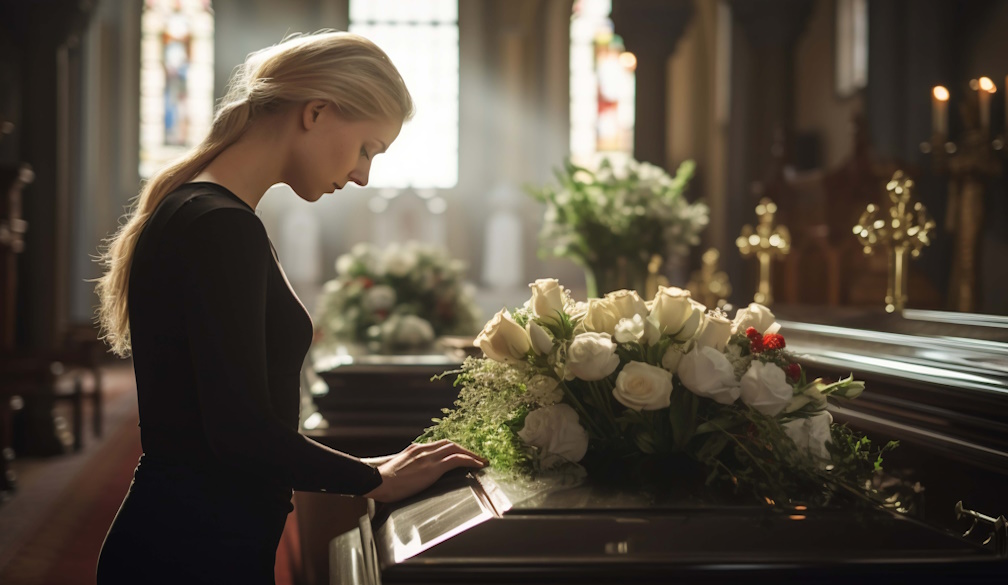
Australia's funerals are as varied as its people. On a single day in any capital city, you might find a Greek Orthodox service with its open casket and hymns, a Jewish burial taking place within a day of death, a Hindu cremation guided by a priest and a secular celebration of life held at a surf club. Each reflects beliefs about death, family and what we owe to those who have gone before us.
For families of faith, the rituals surrounding death are not optional extras. They provide structure and comfort at a time when everything else feels uncertain. Many families seek out providers who understand those traditions deeply, whether that means arranging Catholic funeral services with a Requiem Mass and Rosary, or coordinating the specific practices of another faith community.
The Catholic tradition
For Catholics, the funeral rites usually unfold in three parts. The Vigil, often including the Rosary, is held the evening before the funeral, sometimes at the family home or the funeral chapel. It gives family and friends a chance to pray together and share memories.
The Funeral Mass is the central celebration, held in the parish church. It includes readings from scripture, prayers for the person who has died and the Eucharist. The emphasis is on hope in the resurrection, which gives the service a tone that is solemn but not without comfort.
The Rite of Committal takes place at the graveside or crematorium. The Catholic Church permits cremation, though it asks that ashes be kept in a sacred place, such as a cemetery or columbarium, rather than scattered or kept at home.
Orthodox Christian customs
Greek, Serbian, Russian and other Orthodox communities have their own distinctive rites. Services are often held in the church with the casket open, and mourners may approach to pay their respects. Memorial services continue after the funeral, typically at intervals such as forty days and one year, often marked with koliva, a dish of boiled wheat, nuts and sweet spices.
Burial is traditionally preferred over cremation in most Orthodox churches, and families usually work closely with their priest to ensure each step is followed correctly.
Jewish and Islamic practices
Both Jewish and Islamic traditions place great importance on burying the dead quickly, ideally within a day or so. Bodies are washed and prepared according to religious law, usually by members of the community trained for this sacred task. Cremation is generally not permitted.
In Jewish tradition, the period of mourning known as shiva lasts seven days after the burial, during which family members stay at home and receive visitors. In Islam, the funeral prayer, Salat al-Janazah, is offered by the community, and the body is buried facing Mecca.
Hindu and Buddhist farewells
Hindu funerals usually involve cremation, which is believed to release the soul from the body. Rituals are guided by a priest, and family members, often the eldest son, play specific roles. Ashes are traditionally scattered in flowing water, and some families take them back to India to be placed in the Ganges.
Buddhist funerals vary between traditions but often include chanting, offerings and reflection on the impermanence of life. Cremation is common, and memorial ceremonies may continue for weeks afterwards.
When traditions meet modern life
Many Australian families straddle more than one culture or faith. A funeral might blend a church service with cultural customs from a parent's homeland, or a religious ceremony with a more personal eulogy and music the person loved.
Practical realities also shape choices. Cemetery space in major cities is limited and costly. Relatives may need to fly in from overseas. Some faith communities have adapted their practices to fit Australian regulations and conditions, while preserving the heart of the ritual.
Choosing the right support
When a death occurs, families often have only hours to make decisions. A funeral provider who already understands the requirements of your faith can take an enormous weight off your shoulders. Good questions to ask include whether they have worked with your community before, whether they have relationships with local clergy and how they handle specific requirements such as timing, preparation of the body and burial customs.
Rituals as a source of strength
Rituals exist for a reason. They give mourners something to do with their hands and hearts when words fail. They connect the living to generations who have grieved in the same way. And they remind us that, whatever our beliefs, we do not have to carry loss alone.