The Smart Parent's Guide to Baby Sleepwear: What to Look For (and What to Gift)
From tog ratings to sizing, everything you need to know before buying or gifting baby sleep essentials
The first time I stood in a store trying to buy sleepwear for my newborn, I had no idea what half the labels meant. Numbers followed by a mysterious unit, size charts that didn't match her actual age, fabric claims I couldn't verify. I ended up buying the wrong weight for the season and spent a week either overheating her or under-dressing her, checking her chest every hour like an anxious meteorologist. A bit of basic knowledge would have saved me that whole week.
Understanding warmth ratings before you buy
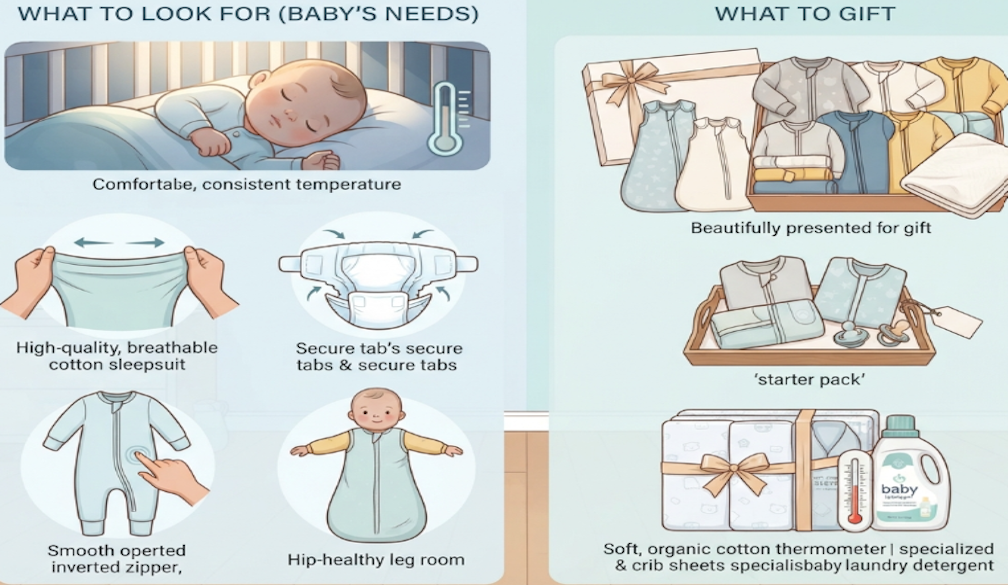
The number on baby sleepwear that trips most people up is the warmth rating, usually written as a number followed by "tog." This measures how much heat the fabric traps, and it's the single most useful thing to check before buying anything for a baby to sleep in. A lower number suits warmer rooms and summer nights, while a higher number is for cooler seasons. Getting this wrong is the most common reason babies wake up overheated or chilly in the middle of the night. If you've never come across the term, it's worth reading up on what a tog rating actually means before you buy, since it takes the guesswork out of matching sleepwear to room temperature rather than relying on how the tag "feels." Companies such as Love to Dream print the tog rating clearly on the swing tag, which is a small thing but makes comparing options at the shop a lot faster.
Sizing by weight, not just age
Most sleepwear is labelled by age (0-3 months, 3-6 months, and so on), but babies grow at wildly different rates, so weight-based sizing is far more reliable. Check the weight range on the label rather than the age range, and size up if your baby is a solid or tall build. A snug fit around the neck and arm openings matters more than getting the "right" size number, since too loose can be a suffocation risk and too tight restricts movement and breathing.
Fabric and fit matter more than the pattern
It's tempting to choose sleepwear based on how cute it looks, but fabric breathability and fit do the actual work while your baby sleeps. Natural fibres like cotton or bamboo tend to regulate temperature better than synthetic blends, and a design that allows hips and legs to move freely supports healthy joint development. Zips rather than snaps make night changes faster and quieter, which matters enormously at 3am when everyone is half asleep and you'd rather not wake a settled baby over a stuck button.
Transitioning out of swaddling
Sleepwear needs change as babies grow, particularly once they start showing signs of rolling, usually between two and four months. At this stage, arms need to be free rather than wrapped, so look for sleepwear designed for the rolling stage rather than sticking with newborn styles out of habit. This is also the point where many parents realise their baby needs an entirely different category of sleepwear than what they started with, so it pays to research the next stage before your baby outgrows the current one.
What to buy (or register for) as a gift
If you're shopping for someone else's baby rather than your own, sleepwear is one of the most useful and least wasteful gifts you can give, since it gets used every single night rather than sitting in a cupboard. The safest bet is to avoid newborn sizing, since almost every new parent is gifted a stack of tiny outfits that get outgrown within weeks before they're worn. Instead, look at sizes for three months and up, or ask what stage the baby is approaching. Many parents also set up registries specifically for this reason, so if you're stuck, browsing a list of sensible baby shower gifts is a solid way to find something that will actually get used rather than admired once and packed away.
The bottom line
Sleepwear seems like a simple purchase until you're standing in front of a wall of options with no idea what any of the numbers mean. Understanding warmth ratings, sizing by weight, and knowing when to transition stages will save you the trial and error I went through, and it makes gift-giving a lot more useful too.