Fuel Shortages Threaten Transport Industry
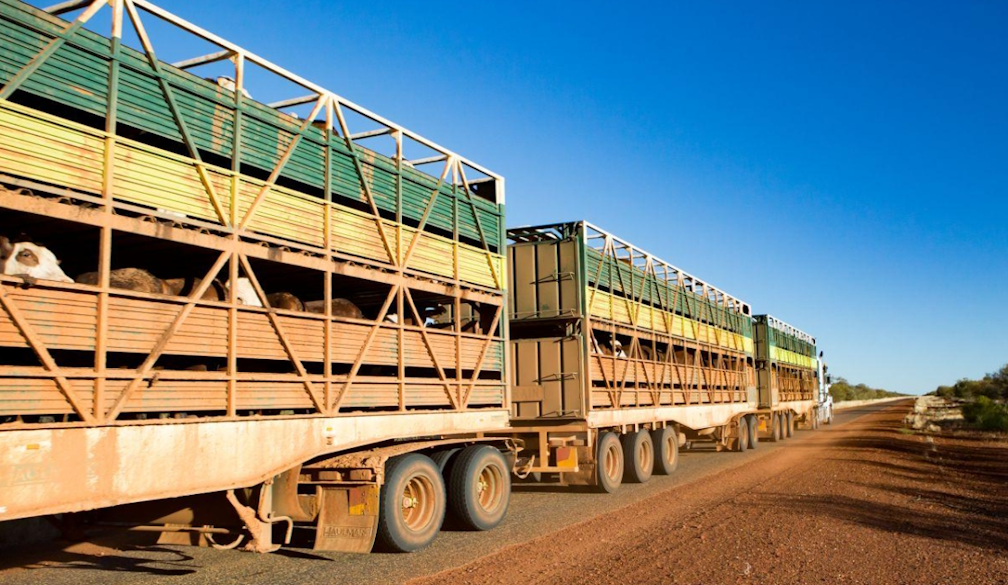
The rising conflict situation in the Middle East had placed significant pressure on fuel supply, posing a threat to many Australian businesses and industry, particularly within the transport sector.
Many transport providers are beginning to explore emergency plans to reduce impacts on consumers, but there may still be delays or even availability issues in store.
Impact on Supply Chain
As diesel prices pass $3 a litre, many transport operators are bearing the brunt of rising costs.
In order to maintain operations, some businesses are passing these price increases onto customers through surcharges. This means that Australian consumers are being forced to pay more for transport services, in addition to price hikes in other affected goods, from personal petrol supply to grocery items.
Further, some logistics providers are taking the next step and reducing frequency of deliveries or reducing the radius of areas they are able to service. This is a necessary precaution in many cases, but it means that regional consumers may have to do without.
While some transport operators are beginning to cancel runs, others are exploring alternative, more fuel-efficient transportation options, such as rail.
However, beyond the rising cost of diesel, decreasing availability stands to trigger further challenges, even prompting some operators to shut down service offerings entirely if adequate fuel supply cannot be secured.
How Transport Businesses Are Responding
“We’re trying to shield our customers from skyrocketing prices, but it's not just the cost. It’s the reality that trucks may be stranded in remote locations without the fuel to complete a run. In a country like Australia, where road transport keeps the shelves stocked, this is frightening,” said Robin Moore from All Vehicle Freight, which offers everything from car transport to interstate transport of farming equipment. “As a transport industry company, we're hoping for an organised, national response, and a sensible fuel management plan to avoid catastrophic delays.”
Calls for a National Response
Already, the Australian Government has implemented several initiative aiming to reduce burdens on the fuel supply chain, but many transport operators want more.
Essential transport providers want to see more than cuts to the fuel excise. They’re demanding government support to ensure that limited diesel supplies are allocated to the businesses and services that keep Australia running, and they want support to reduce the need to pass excess costs onto consumers.
Only time will tell the true impacts of the fuel crisis on the Australian transport sector. For now, industry leaders are hoping for the best and calling on federal leaders to step up.