Why Melbourne Buyers Choose Loose Sapphires for Custom Engagement Rings
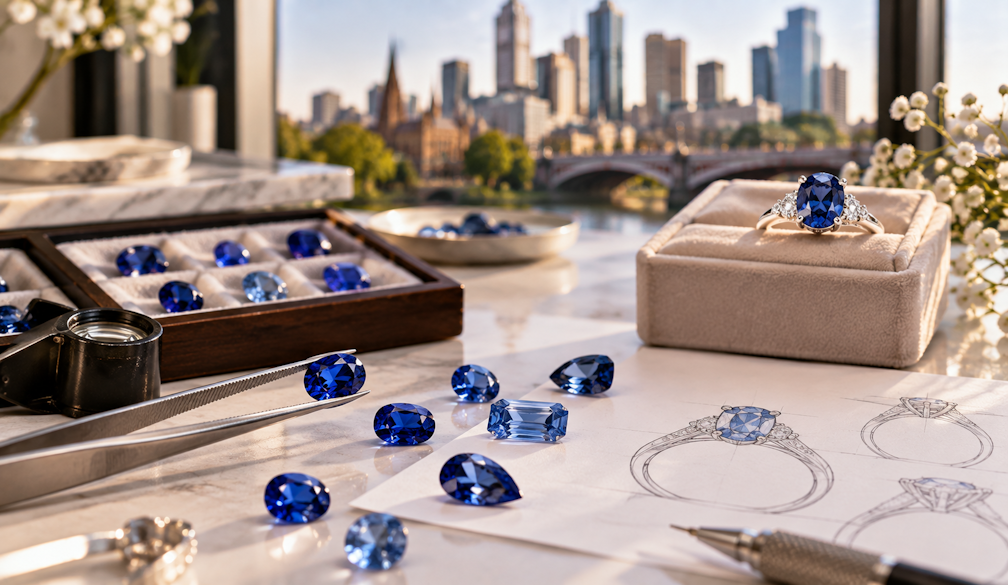
An engagement ring often starts as a finished image: a stone in a setting, photographed from the perfect angle. But some couples prefer to begin one step earlier, with a loose sapphire they can see and choose for themselves.
That approach changes the conversation. Instead of asking, “Which ring should we buy?” you can ask, “Which stone feels like ours?” The design then grows around its colour, shape and character.
If you are considering a custom Blue sapphire engagement ring in Melbourne, here are the reasons choosing the loose stone first may appeal to you—and the practical details to settle before you begin.
You can choose a colour that feels personal
Sapphire offers much more than one shade of blue. You might fall for a bright blue that catches the light quickly, a deeper blue with a quieter presence, or a pink, yellow or violet stone that feels entirely your own.
When a sapphire is loose, you can compare it directly with other stones. Look at it in ordinary light, turn it, and decide whether you still love the colour from different angles. That experience may tell you more than browsing finished rings, where metal, side stones and photography can influence your impression of the centre gem.
Colour is a leading quality factor for sapphire, according to GIA. Yet the colour you prefer is a personal choice. A lighter, lively stone may mean more to you than a darker one described with a prestigious trade name.
The ring can fit the actual stone
Natural sapphires are individuals. Even two oval stones with the same carat weight may have different lengths, widths and depths. One might look elegant in a low, simple setting; another may need a different profile to sit securely and show its colour well.
Choosing the stone first allows a jeweller to design for its exact measurements. The setting can follow the outline of a rounded cushion, frame a slender oval or keep attention on a balanced round sapphire. A jeweller can also examine the gemstone for features that may influence how it should be held.
This is particularly helpful if you have a design in mind but do not want to force the sapphire into a preset size. GIA notes that a gemstone’s durability and characteristics should be considered during jewellery design and setting.
You get to see more of the sapphire
Before a gemstone is set, you can view its top, sides and underside. You can see how deep it is and how its colour behaves when light reaches it from different directions. You can also look more closely at inclusions or areas of colour variation.
Once the sapphire is mounted, parts of it may be hidden by metal. This makes the loose-stone stage a valuable opportunity to understand what you are purchasing.
If you are comparing stones online, ask for videos of the exact sapphires turning in daylight and normal indoor light. If you are viewing them in Melbourne, look beyond the brightest display lighting. Do they remain appealing in conditions closer to everyday wear?
You can build a ring around your priorities
A custom ring involves several decisions: the sapphire, the metal, the setting, the band and perhaps side stones. Starting with a loose stone helps you decide which part matters most.
If colour is your priority, you might choose a sapphire you love and keep the setting beautifully simple. If you want a more detailed design, you can balance the gemstone purchase against the cost of craftsmanship and additional stones.
Set a budget for the complete ring, not just the sapphire. Ask for an estimate of the design and making costs before committing to a centre stone. A thoughtful purchase leaves room for a setting that suits it and feels comfortable to wear.
You can involve your partner in the best part
For some people, the surprise of a finished ring is important. For others, choosing a gemstone together is part of the romance.
You might select a loose sapphire as a surprise and invite your partner to help design its setting after the proposal. You could arrange a viewing together and compare several colours. Or you might make every decision together, from the first stone to the finished ring.
There is no required sequence. A loose stone gives you flexibility to decide how much of the process to share. It can turn ring shopping into a memory rather than a single transaction.
A report helps answer important questions
Before you choose a sapphire, ask whether it is natural or laboratory-grown and whether any treatment has been detected. A natural sapphire may be heat-treated, so those terms should be discussed separately.
For a significant purchase, an independent gemological report can help you understand what you are buying. Compare its report number, weight, measurements and shape with the actual stone. If Sri Lankan origin matters to you, ask whether the report includes a geographic origin opinion; an identification report does not necessarily do so. GIA explains the different information its coloured stone reports can provide.
Paperwork supports your decision, but it cannot choose the colour for you. Give equal attention to the sapphire’s appearance in ordinary light.
Daily wear still shapes the design
Sapphire is a durable choice for a ring worn often. It ranks 9 on the Mohs scale of scratch hardness and has excellent toughness, though that does not make a gemstone or its setting immune to damage.
Tell your jeweller about the wearer’s daily life. Do they work with their hands? Prefer a ring that sits low? Want a wedding band to fit closely beside it? Those answers can guide the setting height, band design and the way the sapphire is secured.
A beautiful custom ring should feel good to wear as well as look good in photographs.
Take care between buying and setting
If you purchase a loose sapphire from one business and commission another jeweller to make the ring, clarify the handover. Have the jeweller inspect the actual stone before approving the design. Ask who is responsible for it while it is being handled and set.
Read the seller’s return terms before any work begins. A loose stone may be eligible for a change-of-mind return under certain conditions, while a stone that has been set or altered may not be. Keep its report, packaging and receipt together until the project is complete.
Starting with a sapphire at Ceylon Crown
At Ceylon Crown, we offer loose sapphires for people who want to choose their centre stone before creating jewellery around it. Our Burwood location is by appointment, and we can discuss the colours, shapes and style you have in mind. Selected stones come with laboratory documentation; ask about the report for the sapphire you are considering.
You can also request additional images or video when deciding from home. If you purchase an eligible loose gemstone delivered within Australia, our published policy allows a return request within 14 days of receipt, subject to its conditions. Review those terms before the stone is set into a ring.
Choosing a loose sapphire first does not mean you need to know exactly what the final ring will look like. It gives you something better to begin with: a stone whose colour and character you have chosen for yourselves. The design can follow from there.