Catering Boxes for Food Businesses: Reliable Packaging for Transport, Storage, and Service
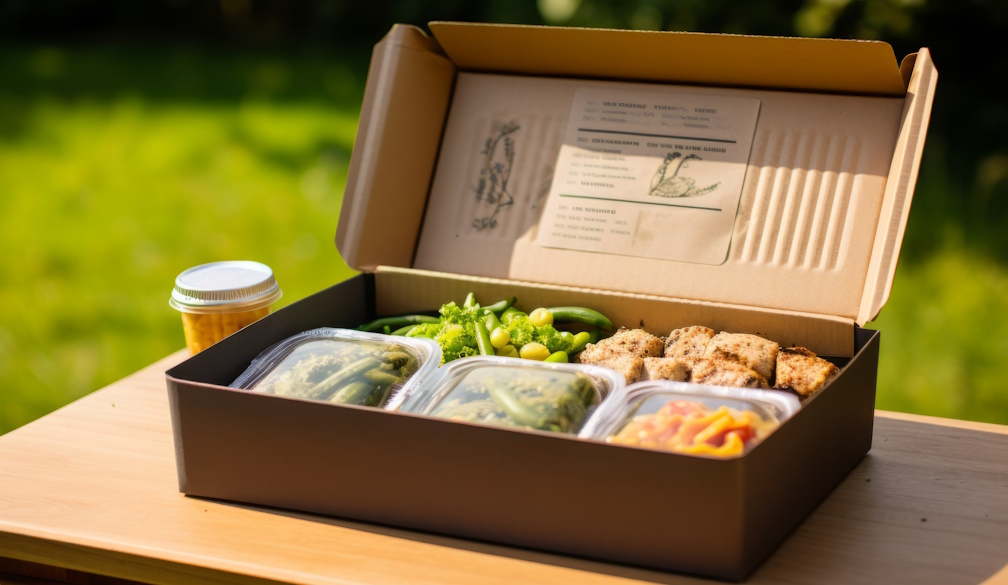
Choosing the right Catering boxes is a key decision for food businesses that handle prepared meals, events, and bulk orders. In catering, packaging is not just about carrying food from one place to another. It directly affects food safety, presentation, operational efficiency, and customer perception. Well-designed catering boxes help ensure food reaches its destination in excellent condition, ready to serve and visually appealing.
As catering services expand across corporate events, private functions, and takeaway operations, the demand for dependable food packaging continues to grow. Catering boxes are designed to meet these demands by offering strength, stability, and suitability for food handling in professional environments.
The Role of Catering Boxes in Professional Food Service
Catering operations often involve transporting multiple food items at once, sometimes over long distances. Catering boxes provide a structured and secure way to manage this process. They help keep food organised, prevent shifting during transport, and reduce the risk of spills or damage.
Beyond transport, catering boxes also support smooth service at the destination. Food can be unpacked and presented efficiently, saving time during setup. This reliability is especially important during events where timing and presentation are critical.
Food Safety and Hygiene Considerations
Food safety is a top priority for catering businesses. Catering boxes are designed to support hygienic handling by enclosing food securely and limiting exposure to external contaminants. This is particularly important when food is prepared in advance and transported to off-site locations.
Using appropriate boxes also helps staff handle food correctly. Stable packaging reduces the need for excessive handling, lowering the risk of contamination. In professional catering environments, this attention to hygiene supports compliance with food safety standards and builds client trust.
Strength and Load-Bearing Performance
Catering boxes must be able to handle weight without collapsing or losing shape. Large platters, multiple portions, or stacked trays place significant demands on packaging. Catering boxes are constructed to provide the necessary strength while remaining easy to carry.
Reinforced bases and secure closures help maintain balance during transport. This reduces the likelihood of accidents and ensures food remains intact from the kitchen to venue. For caterers managing high-volume orders, dependable load-bearing performance is essential.
Versatility Across Menu Types
Catering menus can vary widely, from light finger food to full meals and desserts. Catering boxes are designed to accommodate this variety, offering solutions for different portion sizes and food types.
Having access to multiple box formats allows caterers to package items efficiently without compromising presentation. Using the right box size for each order helps keep food secure and reduces wasted space during transport.
Efficiency in Busy Kitchen Environments
Time efficiency is critical in catering kitchens, especially during peak periods. Catering boxes that are quick to assemble and easy to stack support faster packing and dispatch. This efficiency allows staff to focus on food preparation rather than struggling with packaging.
Flat-packed boxes also support efficient storage. Kitchens often have limited space, and packaging that stores compactly helps maintain an organised work environment. When needed, boxes can be assembled quickly without slowing operations.
Supporting Food Presentation at Events
Presentation plays a major role in how catering services are perceived. Food that arrives neatly packaged and undisturbed reflects professionalism and attention to detail. Catering boxes help preserve plating and arrangement, ensuring dishes look as intended when served.
For corporate events and formal functions, this consistency is especially important. Clients expect food to be delivered in a presentable condition, and packaging plays a quiet but crucial role in meeting those expectations.
Reducing Waste and Operational Losses
Food damage during transport leads to waste, rework, and dissatisfied clients. Catering boxes help reduce these risks by providing stable and protective packaging. Less damage means fewer last-minute issues and smoother service delivery.
Reducing waste also supports cost control. Ingredients, preparation time, and labour are all invested in each order. Reliable packaging protects that investment and contributes to more predictable outcomes.
Cost-Effective Packaging for Catering Businesses
Catering boxes offer a practical balance between performance and affordability. They provide the strength and functionality needed for professional use without excessive cost. For businesses handling frequent orders, this cost efficiency is important.
Choosing the right box type helps avoid unnecessary spending on over-packaging or replacement due to damage. Over time, well-chosen catering boxes contribute to more sustainable operating costs.
Environmental Responsibility in Catering Packaging
Environmental considerations are increasingly influencing packaging decisions. Many catering boxes are made from recyclable materials, supporting responsible waste management practices. This aligns with growing expectations from clients and event organisers who value sustainable choices.
Using recyclable catering boxes allows businesses to demonstrate environmental awareness without compromising functionality. This balance is important in a sector where single-use packaging is often unavoidable.
Brand Image and Professional Consistency
Packaging contributes to brand perception. Consistent use of clean, sturdy catering boxes reinforces a professional image and helps businesses stand out in a competitive market. Even without heavy branding, neat and uniform packaging signals reliability and care.
For catering businesses, reputation is built on repeat experiences. Packaging that consistently performs well becomes part of the overall service quality that clients remember and recommend.
Practical Handling for Staff and Drivers
Catering boxes are designed to be practical for those handling them. Comfortable sizes, secure closures, and stable construction make lifting and carrying safer and easier. This reduces strain on staff and lowers the risk of accidents during loading and unloading.
Practical handling also improves delivery efficiency. Drivers can stack and transport boxes confidently, knowing they will remain stable throughout the journey.
Final Thoughts
Catering boxes are an essential component of professional food service, supporting safe transport, efficient handling, and polished presentation. By choosing reliable catering boxes, businesses can reduce waste, improve consistency, and deliver food that arrives as intended. In an industry where details matter, dependable packaging quietly underpins successful catering operations and helps build lasting client confidence.