How to Build a Daily Hair Care Routine for Stronger, Shinier Strands
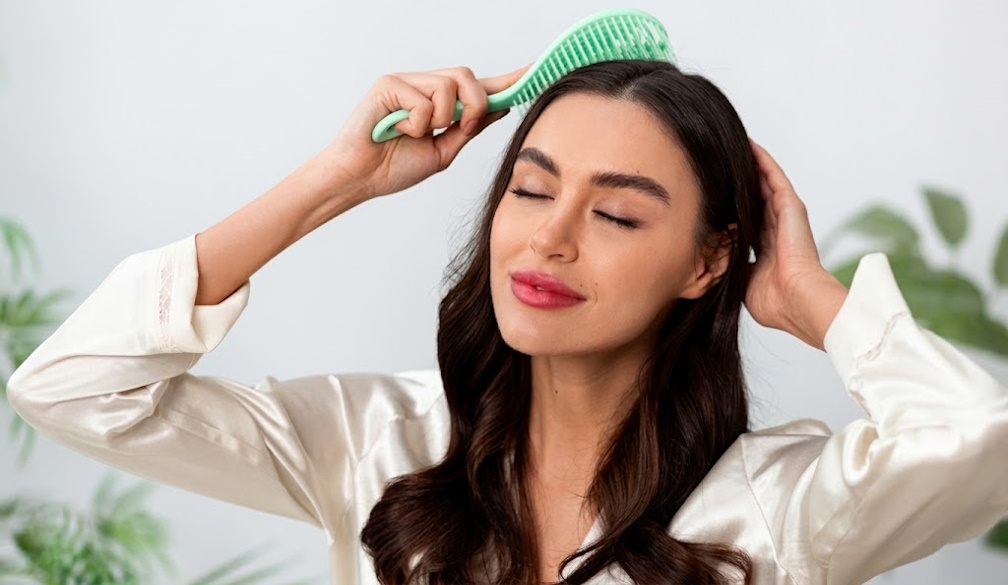
Achieving lustrous, resilient hair requires consistent daily care rather than occasional expensive treatments. While advanced clinical options like an implanter pen hair transplant offer excellent restorative results for those experiencing severe thinning, a solid home routine forms the foundation of everyday hair health. Most people struggle with dry, brittle strands simply because they use the wrong washing techniques or harsh styling tools. By understanding your unique hair type and implementing a few deliberate, protective steps, you can transform dull locks into a vibrant, healthy mane. This guide outlines a practical daily regimen designed to strengthen your strands, minimise breakage, and maximise natural shine without overcomplicating your morning routine.
Assess and Cleanse Your Scalp Daily
Healthy hair starts at the root, which means your scalp deserves just as much attention as your skin. A clean, balanced scalp environment allows hair follicles to function optimally, promoting steady growth and reducing premature shedding. When selecting a shampoo, avoid harsh sulfates that strip away natural oils, leaving your scalp dry and your hair vulnerable to breakage. Instead, opt for gentle, pH-balanced formulas containing nourishing ingredients like aloe vera, tea tree oil, or rosemary extract.
The Art of Gentle Cleansing
When you wash your hair, focus the shampoo primarily on your scalp. Massage the product gently with your fingertips using circular motions, rather than scrubbing vigorously with your fingernails, which can cause micro-tears and irritation. Let the lather rinse down through the lengths of your hair rather than rubbing the ends together. For those dealing with female pattern hair loss, maintaining scalp health is a critical first line of defence. In cases where thinning is advanced, clinical interventions such as a hair transplant for women can restore density, but a clean scalp remains vital for supporting both natural and transplanted follicles. Wash your hair every two to three days, as daily washing can deplete essential moisture and trigger overproduction of sebum.
Master the Art of Hydration and Conditioning
The conditioner is non-negotiable if you want smooth, shiny strands. It seals the hair cuticle, locks in moisture, and prevents the friction that leads to tangles and split ends. Unlike shampoo, you should apply conditioner from the mid-lengths to the tips of your hair, avoiding the scalp to prevent your roots from looking flat or greasy.
Choosing the Right Conditioner
Look for lightweight formulas for fine hair, or rich, buttery conditioners containing argan oil or shea butter for thick, curly textures. Leave the product on for two to three minutes before rinsing thoroughly with cool water. Cool water helps close the cuticle, resulting in a smoother surface that reflects light more effectively, giving you that coveted glossy finish.
Weekly Deep Conditioning Treatments
Replace your standard conditioner once a week with a deep conditioning mask. These intensive treatments penetrate deeper into the hair shaft to repair structural damage caused by environmental stressors and heat styling. If you have recently undergone restorative procedures, such as an implanter pen hair transplant, always consult your surgeon before applying any heavy treatments near the graft sites. For untreated hair, a weekly mask restores elasticity, making your strands much more resilient against daily wear and tear.
Minimise Heat and Mechanical Damage
Physical damage from brushing and heat styling is a primary cause of dull, frizzy hair. Wet hair is incredibly fragile because the hydrogen bonds are temporarily broken, making it highly susceptible to stretching and snapping. Instead of rubbing your wet hair vigorously with a heavy cotton towel, gently squeeze out excess water using a soft microfibre towel or an old cotton t-shirt.
Safe Detangling Techniques
Always use a wide-tooth comb or a flexible wet brush to detangle damp hair, starting from the ends and working your way up to the roots. This bottom-up approach prevents knots from tightening and causing unnecessary breakage. If you encounter a stubborn knot, apply a small amount of leave-in conditioner or detangling spray to slip the comb through easily.
Smart Heat Styling
Limit your use of blow dryers, straighteners, and curling irons. When you do use heat, always apply a high-quality heat protectant spray first to create a barrier between your hair and the tool. Set your styling tools to the lowest effective temperature setting—ideally below 180 degrees Celsius. Air-drying your hair whenever possible gives your strands a much-needed break and helps maintain natural moisture levels over time.
Address Thinning with Modern Solutions
Sometimes, a standard topical routine is not enough to combat significant hair thinning or hair loss. Genetic factors, hormonal shifts, and stress can cause noticeable widening of the part or general loss of volume. Understanding the advanced options available can help you make informed decisions about restoring your hair's fullness.
Advanced Restoration Techniques
For permanent density restoration, a hair transplant for women has become an increasingly popular and highly successful option. Modern surgical techniques cater specifically to female hair loss patterns, which tend to be diffuse rather than concentrated in one bald spot. Using precision tools, specialists can transplant healthy follicles into thinning areas without damaging the surrounding hair.
The Benefits of Precision Implantation
Among these advanced methods, the implanter pen hair transplant stands out for its accuracy and minimal downtime. This technique uses a specialised pen-like device to simultaneously create the recipient site and insert the hair graft. It allows the surgeon to control the angle, depth, and direction of each hair with extreme precision, resulting in a completely natural-looking hairline. Whether you choose clinical restoration or stick to a topical regimen, addressing hair thinning early ensures you maintain a healthy, dense head of hair for years to come.
Fuel Your Hair from the Inside Out
What you put into your body is just as important as what you apply to your scalp. Hair cells are some of the fastest-growing cells in the body, but because hair is a non-essential tissue, your body will redirect nutrients to vital organs first if your diet is lacking.
Nutrient-Rich Eating Habits
Ensure your daily meals include adequate protein, as hair is primarily made of a protein called keratin. Lean meats, fish, eggs, legumes, and nuts are excellent sources. Incorporate healthy fats like avocados and olive oil to keep your scalp hydrated, and load up on leafy greens rich in iron and vitamins A and C to support sebum production and follicle strength.
Protect Your Hair While You Sleep
Your nighttime routine also plays a role in hair health. Swap your standard cotton pillowcase for a silk or satin one. Silk reduces friction as you toss and turn, preventing morning tangles, frizz, and breakage. Additionally, avoid sleeping with wet hair, as the dampness weakens the hair shaft and can encourage fungal growth on your scalp. If you have long hair, tie it in a loose braid with a silk scrunchie to keep it secure without causing tension on the hair roots.
Conclusion
Building a daily hair care routine does not require an overwhelming number of products or hours of your time. By focusing on gentle cleansing, consistent hydration, and protective styling habits, you can significantly improve the strength and shine of your strands. For those facing more severe hair thinning, exploring modern clinical options like a hair transplant for women can provide a permanent path to restored confidence and density. Ultimately, the key to beautiful hair is consistency and patience. Treat your hair gently, nourish your body with wholesome foods, and adapt your routine as your hair's needs change over time to enjoy vibrant, healthy locks.