The Benefits Of Residential Solar Power Systems For Long-Term Energy Savings And Sustainability
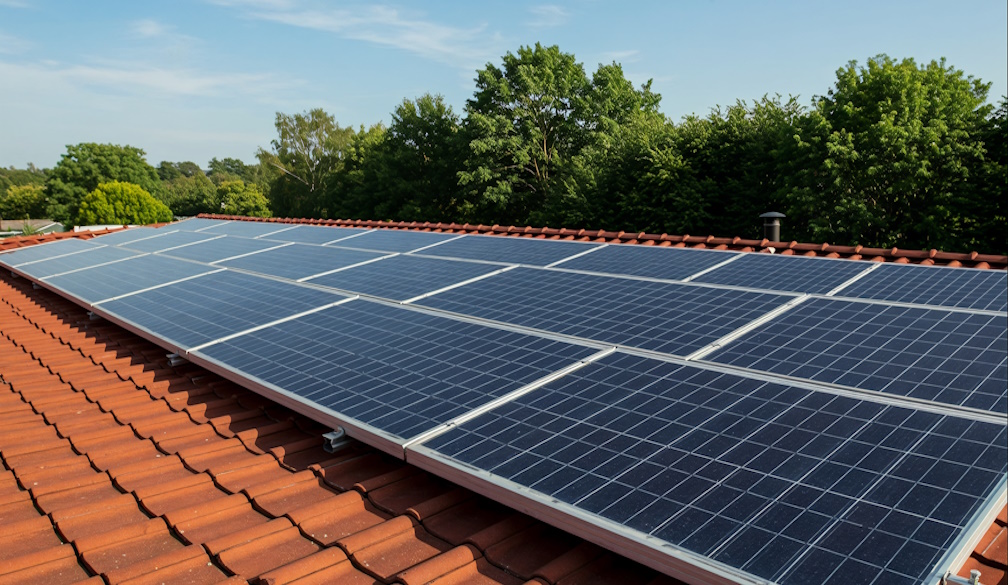
Many homeowners are turning to residential solar power systems as a practical way to reduce rising electricity costs, improve energy independence and support cleaner living. Solar energy has become one of the most reliable and cost-effective solutions for households wanting more control over their energy use. With modern technology, stronger efficiency and long-term financial advantages, residential solar systems offer a meaningful step toward a more stable and environmentally responsible future.
Understanding How Solar Power Supports Everyday Household Needs
A well-designed residential solar system works by converting sunlight into electricity through photovoltaic panels installed on the roof. This clean energy can power household appliances, lights, heating, cooling and everyday electronics. Because solar power is generated directly from the sun, families become less dependent on traditional energy sources, which continue to fluctuate in price. The ability to generate energy on-site also helps reduce pressure on the grid, supporting more stable supply for the wider community. For many homeowners, this shift toward renewable energy brings greater confidence and long-term assurance.
Reducing Energy Bills With A More Affordable Power Source
One of the strongest motivations for installing a residential solar system is the potential for significant savings on electricity bills. With panels generating energy during daylight hours, households draw less power from traditional electricity providers. This results in lower monthly expenses and more predictable energy costs. Over time, the savings often exceed the initial installation costs, making solar one of the most cost-effective home upgrades available. Many homeowners experience rapid reductions in energy bills, especially those who consume most of their electricity during the day.
Increasing Energy Independence And Stability For The Future
Energy prices can rise without warning, and grid supply can be affected by extreme weather, high demand or infrastructure issues. A residential solar system offers a buffer against these uncertainties by allowing homeowners to create their own energy. With additional storage solutions such as batteries, the system can store excess power for use during peak times or at night. This improved independence offers peace of mind and ensures the home remains comfortable and functional even when the grid experiences disruptions. As technology continues to advance, households gain even more control over their energy future.
Supporting Environmental Responsibility With Cleaner Energy Choices
Switching to solar power is an effective way for households to reduce their environmental impact. Traditional electricity production relies heavily on fossil fuels that produce significant carbon emissions. Solar energy, on the other hand, generates clean and renewable power without releasing harmful pollutants. By choosing solar, homeowners contribute to a healthier environment while supporting broader sustainability initiatives. This shift demonstrates leadership and commitment to protecting natural resources for generations to come. As more families adopt solar technology, the cumulative environmental benefit continues to grow.
Improving Property Value Through Smart Energy Investments
Modern homes equipped with solar systems often attract greater interest from buyers and renters. Energy efficiency is becoming a high priority for families seeking long-term affordability and sustainability. For this reason, solar-equipped properties tend to hold stronger market value and stand out from similar homes without renewable energy systems. Homeowners who invest in solar gain long-term financial benefits not only from reduced energy bills but also from enhanced resale appeal if they choose to move in the future. This makes solar one of the most financially rewarding home upgrades available today.
Ensuring A Reliable And Professionally Installed System
Residential solar systems require careful planning, correct sizing and professional installation to perform at their best. Experienced technicians assess the home’s roof structure, orientation, shade exposure and energy consumption to design an efficient solution. A properly installed system ensures safety, performance and durability, providing the homeowner with reliable and efficient energy production. Professional installers also ensure the system meets Australian standards and complies with local regulations. This attention to detail helps protect the home, the system and the long-term investment.
Making Use Of Incentives And Government Support Programs
Government incentives and rebates make solar installations more accessible and affordable for homeowners. These programs reduce upfront costs and allow families to transition to renewable energy without significant financial strain. Solar professionals often help homeowners navigate available incentives to ensure they receive the maximum benefit. With government support and financial flexibility, more households can enjoy the advantages of clean energy and long-term savings.
Strengthening Home Comfort With Energy-Efficient Solutions
Residential solar systems support a more comfortable living environment by reducing dependency on traditional energy sources that can become expensive during extreme seasons. Households can operate air conditioning, heating systems, electric appliances and lighting with greater confidence, knowing their energy costs are stabilised. This freedom makes it easier to maintain comfortable temperatures throughout the year without worrying about high electricity consumption. Solar power enhances daily comfort and supports a healthier and more enjoyable home atmosphere.
Supporting A Low-Maintenance And Long-Lasting Energy Solution
One of the appealing features of solar systems is their minimal maintenance requirements. Panels typically last more than two decades and require only occasional cleaning and professional inspection to maintain efficiency. Inverters and batteries may require periodic servicing or replacement depending on usage, but overall, the system remains dependable with limited ongoing attention. This low-maintenance nature adds to the long-term appeal for busy families seeking reliable and cost-effective solutions.
Conclusion
Residential solar power systems offer meaningful benefits for homeowners seeking long-term savings, energy independence and environmentally responsible living. With lower electricity bills, improved property value, stronger sustainability and reliable performance, solar systems provide a practical and rewarding investment. As technology continues to advance and incentives remain available, more households are choosing solar energy to create a more stable, efficient and sustainable future.