Why Knowing Your Plumbing System Matters for Home Safety and Maintenance
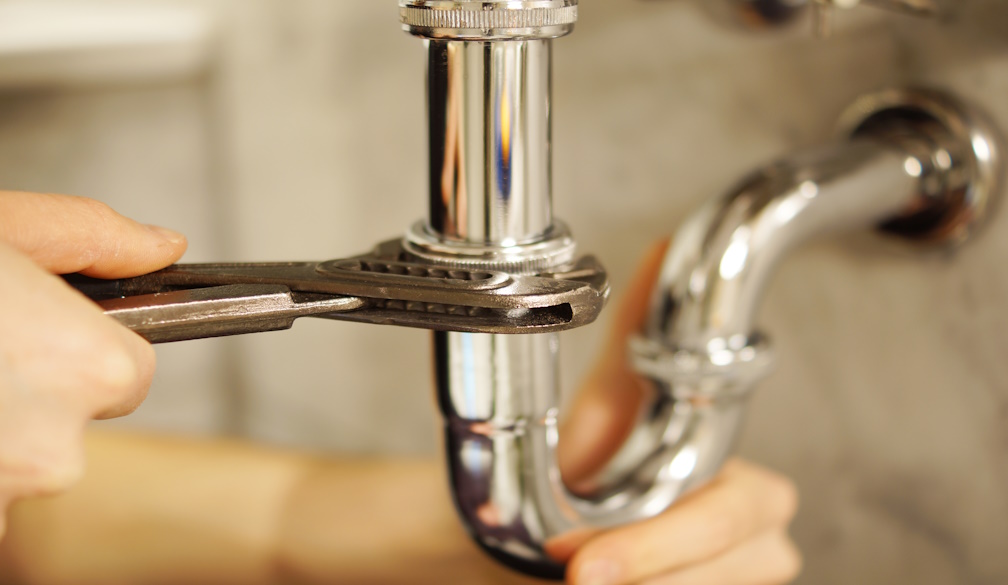
Most of us use our plumbing every day without thinking about how it works. Clean water comes out of taps, wastewater goes down the drain and hot water is used for hygiene and cleaning. Because these systems are hidden behind walls and under floors they are easy to ignore until a problem arises. Understanding how your plumbing system works and what to do when things go wrong can prevent damage, reduce water waste and protect your home.
One of the most important parts of plumbing awareness is recognising early warning signs of problems. Small leaks, slow drains, strange noises or changes in water pressure are all signs of developing issues. Fixing these signs early can prevent costly repairs and damage to structural materials. Moisture from undetected leaks can cause mould growth, warped flooring and deterioration of walls and cabinetry. Check around sinks, appliances and visible pipe connections to identify potential problems before they become major.
Water pressure is another key to a healthy plumbing system. Low pressure makes daily tasks inconvenient and high pressure can strain pipes, fittings and appliances. Over time high pressure can lead to leaks or premature wear. If you notice fluctuating pressure or banging sounds when you turn off the taps it may be a pressure imbalance that needs professional attention. Keeping the right pressure helps extend the life of plumbing components and ensures water flow.
Drainage performance is also important for household sanitation. Slow drains are often caused by grease, soap residue, hair or mineral buildup in the pipes. In outdoor systems tree roots and soil movement can restrict flow in underground sewer lines. While minor blockages can be cleared with basic tools, recurring blockages may mean deeper issues. Preventative care like not putting grease down the sink and using drain strainers helps maintain flow and reduces the chance of backups.
Hot water systems are another essential part of a home’s plumbing infrastructure. Reliable hot water is used for bathing, cleaning and food preparation. When systems start producing inconsistent temperatures, strange noises or reduced supply these may be signs of sediment buildup or component wear. Servicing regularly helps maintain efficiency and safety. Monitor system performance and fix irregularities early to prevent disruptions.Another often overlooked part of plumbing preparedness is knowing what to do in an emergency. A burst pipe, major leak or appliance failure can release large amounts of water in a short time. Acting fast can reduce damage. Knowing where your main shut-off valve is and how to use it allows you to turn off the water supply in an emergency. Homeowners who are not familiar with this process can review https://www.fixitrightplumbing.com.au/doomsday-preppin-to-save-the-stressin/ to understand how shutting off the water supply can prevent extensive damage while waiting for professional help.
Outdoor plumbing also needs attention. Garden taps, irrigation systems and stormwater drains are exposed to environmental conditions that can cause wear and tear over time. Leaking outdoor fixtures can waste a lot of water, while blocked drains can cause water to pool near the foundation of the home. Check outdoor plumbing and keep drains clear of debris to protect both the landscaping and structural integrity.
Seasonal changes can put extra stress on plumbing systems. Heavy rainfall can overwhelm drainage systems, dry conditions can cause soil movement that affects underground pipes and increased household activity during certain times of the year can put more demand on water usage. Being aware of these seasonal factors and scheduling inspections when necessary can help maintain system reliability.
Professional plumbing services play a big role in maintaining system health and safety. Regular inspections can find hidden leaks, corrosion and pressure imbalances before they become major issues. Licensed professionals ensure that plumbing work meets regulatory standards which is important for water quality and insurance compliance. Their expertise ensures that repairs and installations are done safely and effectively.
Preventative maintenance is one of the best ways to avoid plumbing emergencies. Simple habits like checking for leaks, monitoring water pressure, clearing drains and scheduling regular inspections can extend the life of plumbing systems. Awareness and proactive care can prevent unexpected disruptions and costly repairs.
Knowing your plumbing system and what to do when things go wrong helps protect your home and your sanity. By recognising signs early, using water efficiently and preparing for emergencies homeowners can ensure their plumbing systems keep up with daily life. Being proactive not only protects property value but also long term safety, efficiency and comfort in the home.