Step-by-Step Guide to Selling Your Car
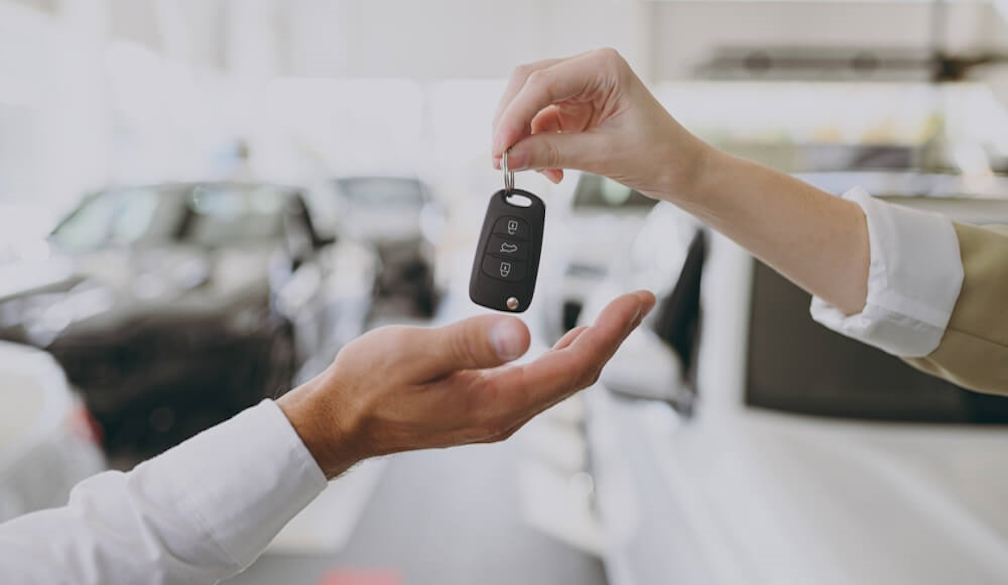
Selling a car for the first time has a way of making a confident adult feel like a nervous teenager again. It is one of the larger private transactions most of us ever handle, the money is real, and every second-hand story about dud cheques and buyers who vanish mid-deal seems to surface at once. Take a breath. A car sale is far more predictable than it feels from the outside. Split it into a handful of ordinary tasks, do each one in order, and the mountain flattens into a to-do list.
This guide follows the exact sequence you will meet in real life, from the messy folder of paperwork in the kitchen drawer to the moment the funds clear in your account.
Start with the paperwork, not the sale
The urge is to photograph the car and post it on carsales.com.au or Facebook Marketplace that same afternoon. Resist it for a day. The sales that run smoothly are the ones where the seller sorted their documents first, because buyers and car-buying services alike move faster, and offer more, when a car’s history is complete and easy to verify.
Round up the registration certificate, your proof of ownership, and every service record you can lay hands on. A stamped logbook, or a tidy run of invoices from the same mechanic, is one of the most persuasive things you can put in front of a buyer: it shows a Corolla or a CX-5 that has been looked after, and it justifies a higher asking price. Lost the logbook? Your workshop can usually reprint the history from their system in minutes. Pull out receipts for the big-ticket maintenance too, timing belt, battery, a fresh set of tyres, a clutch, because visible recent spending tells the next owner those bills are already paid.
If money is still owing on the car, ring your lender and ask for the exact payout figure before you go any further. You can absolutely sell a financed car, but you need that number in hand so nothing ambushes you at settlement.
Give it an honest once-over
You do not need to spend a fortune detailing a car, but a few hours pays for itself several times over. Empty the glovebox, the boot and the door pockets, run a vacuum through the cabin, wipe the dash, and clean the glass inside and out. A car that looks cared for and smells fresh photographs better and shows better, and a good showing quietly does much of your negotiating before a word is spoken.
Then look at the mechanical side with clear eyes. Are the tyres above the legal 1.5mm tread? Do all the lights and indicators work? Is there a warning light on the dash you have been studiously ignoring since autumn? You are not obliged to fix everything, sometimes selling as-is and letting the price reflect it is the smarter call, but you do need to know what is there. Decide in advance how you will describe a scratch, a whining wheel bearing or a slow cold start, and no buyer’s question will catch you flat-footed.
Work out what it is actually worth
This is the step first-timers find hardest, because a used car has no single official price. Value is a band, not a figure, and it shifts with condition, kilometres, service history, colour, demand for that model, and the time of year.
Start with the data. Search current listings on carsales.com.au and Gumtree for the same make, model, year and similar kilometres, and note the asking prices, remembering sellers usually settle a little below their ad. Cross-check against a RedBook or free online valuation. Several buyers, including Perth’s Sell My Car Pro, will also hand you an instant online estimate in a couple of minutes, which is a handy sanity check even if you never sell to them. You are not hunting for one magic number; you are learning your range, so you can recognise a fair offer when it lands and keep your composure when a cheeky lowball does.
Choose the selling method that suits your life
There are three main routes, and the best one depends less on which pays top dollar than on how much time, patience and risk you actually want to take on.
A private sale usually wins the highest headline price, but it asks the most of you. You write the ad, answer the messages, weed out the no-shows, host the test drives, and manage the money and paperwork yourself. If you have the hours and you do not mind dealing with strangers, that effort can be worth a few hundred to a thousand dollars.
A dealer trade-in is the reverse: hand the problem over, drive out in your next car the same day, and accept a lower figure in return for the convenience and the stamp-duty saving that can apply when you buy and sell together.
The third route sits between the two. An instant online buyer gives you a firm offer, inspects the car, and pays you directly, often the same day, with no ad and no strangers in your driveway. If you are in Perth or anywhere across WA, a licensed local buyer such as Sell My Car Pro will value the car online, confirm the price after a quick inspection, settle any finance owing with your lender, take care of the Department of Transport transfer, and pay by bank transfer, frequently collecting the car for free and even covering your Uber home. As a licensed WA motor dealer (licence MD31434) and a Motor Trade Association member with a wall of five-star Google reviews, it is a regulated business rather than an anonymous stranger, which is exactly what a first-time seller wants on the other side of the table. Trade a little top-end price for certainty and speed, and most of what makes selling stressful simply disappears.
There is no universally right answer. Be honest about what an afternoon of your time is worth and how much hassle you genuinely want.
Writing an ad that does the work for you
If you sell privately, your ad is your salesperson, so let it earn its keep. Photos matter more than prose: shoot in daylight, car clean, parked somewhere uncluttered, and take the full set, front, rear, both flanks, the interior, the boot, the engine bay and the odometer. Photograph the flaws too. Showing the door ding upfront builds trust and screens out the buyer who would only have argued about it later.
In the description, be specific and be straight. List the year, make, model, variant, kilometres, service history, registration expiry and any recent work. Name the good and the not-so-good. Buyers distrust a listing that reads too perfectly, and a frank, detailed ad pulls in more serious enquiries and far fewer tyre-kickers.
Staying safe when strangers get involved
This is the part that worries new sellers most, and rightly so. A few simple habits keep you safe. Meet buyers in daylight, somewhere public, the car park outside a police station is a genuinely good choice, and bring someone with you. Sight a buyer’s driver’s licence before any test drive, and go along for the ride rather than tossing over the keys. Confirm your insurance covers someone else driving, or ask to see theirs.
Trust your gut. If an enquiry feels wrong, a buyer who refuses to talk on the phone, pushes an odd payment method, or leans on you to skip steps; you are allowed to walk away. Another buyer is always around the corner.
Getting paid, the part that matters most
More deals come unstuck at payment than anywhere else, so slow right down here. The safest approach is to see cleared funds in your own account before the keys change hands. A bank transfer can sit as “pending” on a buyer’s phone while never actually arriving, so wait for the money to land, not for a screenshot. Treat bank cheques warily, since they can be forged, and never release a car on a promise to pay the rest next week.
This is one quiet advantage of selling to an established dealer or buyer: payment arrives by verified bank transfer from a registered business, confirmed as part of a documented handover rather than a leap of faith in a suburban driveway.
The handover and the paperwork
Once payment has cleared, lodge the transfer of ownership with your state or territory road authority, the Department of Transport in WA, or the equivalent elsewhere. Rules vary, but you will generally submit a notice of disposal so that responsibility for the car, and any future fines or tolls, formally passes to the buyer. Do not skip this; it is the step that protects you after the car is gone.
Remove or transfer your plates as your state requires, cancel or shift your insurance, and clear your personal data, unpair your phone, wipe saved home addresses from the sat-nav. Hand over both keys, the logbook and any accessories. Sell to a dealer or instant buyer and they typically handle the transfer for you, which is one less form to get wrong.
Should you fix it first or sell as-is?
New sellers agonise over whether to repair before selling. The guideline: cheap, visible fixes usually pay, big mechanical jobs usually do not. A fresh battery, a working globe, a new wiper blade, each costs less than the discount a buyer would demand for its absence. A major repair, by contrast, rarely returns its full cost, and you can end up paying to fix something the buyer would have accepted at a modest reduction.
The exception is anything that makes the car unsafe or unroadworthy, which you generally must address or disclose plainly. For everything else, describe the fault, price it in, and let the buyer decide.
The first-timer mistakes worth dodging
A short list of avoidable errors trips up almost everyone their first time. Top of it is optimistic pricing, then watching the car sit for a fortnight as interest fades; a fair price from day one sells quicker and often nets more. Next is hiding faults, which backfires the moment a buyer finds them and stops believing anything else you have said. Honesty, oddly, sells.
The rest: letting a stranger test drive alone, accepting a payment method you do not understand, and handing over the keys before the money clears. Quietest of all is forgetting to lodge the transfer of ownership, which can leave you wearing the new owner’s speeding fines for months. Every one of these is easy to sidestep once you know it is there, which is the whole point of reading this before you begin rather than after it goes sideways.
What to have ready before you list
A little preparation removes almost every delay a first sale can throw at you, so assemble a small folder before you advertise or book a valuation. You want the registration certificate and proof that the car is yours, photo ID, and the service logbook or a reprinted history from your workshop. Note the registration expiry and, if your state requires a safety or roadworthy certificate to transfer, factor that in. Have your exact finance payout figure ready if anything is owing, and expect a buyer to run a PPSR check, the national register that confirms the car is not written off, stolen or under finance. A buyer who meets an organised seller with the paperwork in order relaxes immediately, and a relaxed buyer haggles less and commits faster. It is the cheapest advantage you can hand yourself.
A calmer way to see it
Selling your first car feels enormous while it is in front of you and surprisingly small once it is behind you. Get the documents together, be honest about the car’s condition, learn its realistic range, pick the method that matches the time and risk you actually want, and stay patient and careful at the payment stage. Do that and you will not just land a fair result; you will get through it without the stress you were braced for. Next time, you will do it in half the time and none of the worry.