How to Plan an Outdoor Event That Runs Smoothly From Start to Finish
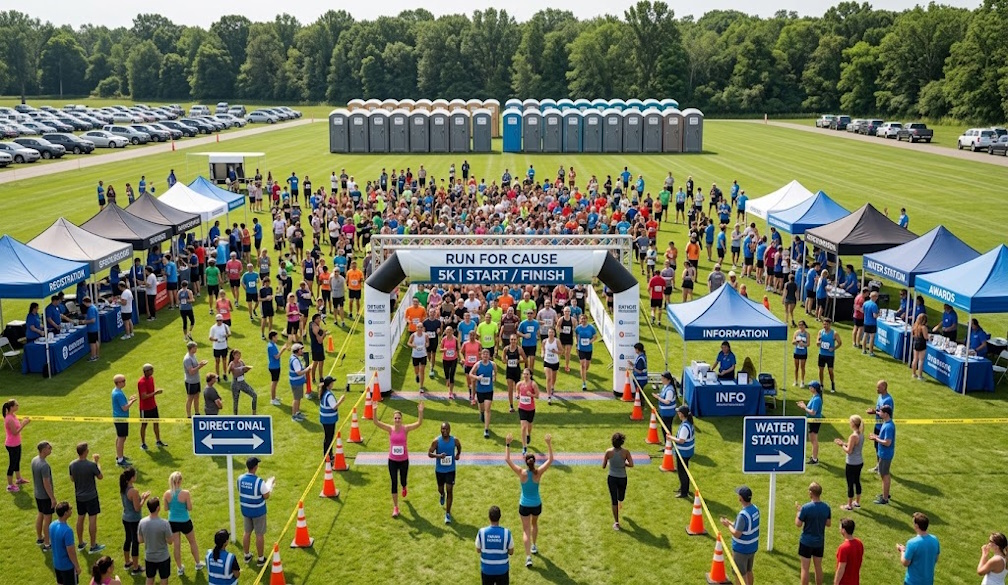
Nobody leaves a festival talking about how well the bins were placed. But plenty of people leave talking about the hour-long queue for the loo, the generator that died during the headline act or the car park that turned into a mud pit. Outdoor events live and die on the unglamorous details.
Whether you are organising a community fair, a wedding on a farm or a school fun run, the basics are the same. Sort out power, shade, water, waste and portable toilet hire early, and you free yourself up to focus on the fun parts. Leave them to the last minute and you will spend the day putting out fires, sometimes literally.
Start with the site, not the theme
It is tempting to begin with the mood board. Resist that urge until you have walked the site properly, ideally at the same time of day your event will run.
Look at where the sun falls and where shade will be in the afternoon. Check the ground: is it flat, is it soft, where does water pool after rain? Find out where vehicles can get in and out, and whether a delivery truck can reach the spots you have in mind for marquees and amenities. Take photos and rough measurements. These will save you countless phone calls later.
Work out who is coming and how long they will stay
Crowd size drives almost every other decision. A two-hour garden party for fifty people needs very different infrastructure to a full-day market expecting a few thousand visitors.
Think about the mix of guests as well. Families with young children need baby change facilities and somewhere shady to sit. Older guests appreciate seating and step-free access. If alcohol is being served, plan for more toilets, more water and clear signage, because people drink more and wander further than you expect.
The unsexy essentials checklist
Here is the list that experienced event managers tick off before anything else:
1. Toilets and hand washing. Get advice on numbers based on attendance, duration and whether alcohol will be served. Include accessible units. 2. Drinking water. Free water stations keep people safe on hot days and reduce plastic waste. 3. Power. Work out what needs electricity, from food vans to sound systems, and whether you need a generator or access to mains supply. 4. Waste and recycling. Separate bins for general waste, recycling and organics, emptied regularly through the day. 5. Shade and shelter. Marquees, umbrellas and a wet weather plan. 6. First aid. A clearly marked station and qualified staff for larger events. 7. Permits and insurance. Councils often require approvals for public events, food vendors, amplified sound and temporary structures.
Build a timeline backwards
Start with the event date and work backwards. Large suppliers book out months ahead during spring and summer, so lock in hire equipment early. Council approvals can take weeks. Food vendors want plenty of notice. Allow a buffer for things going wrong, because they will.
On the day itself, map out bump-in and bump-out times in detail. Who arrives first? What needs to be set up before the stage can go in? When do toilets get serviced? A shared run sheet that every supplier can see will save confusion.
Plan for the weather you do not want
Australian weather has a sense of humour. A forecast of sunshine can turn into a downpour by lunchtime, and a mild spring day can hit the mid-thirties without much warning.
Your wet weather plan should cover more than marquees. Think about ground protection for walkways, where cars will park if the paddock turns to mud and how you will communicate changes to guests. For heat, plan extra water, extra shade and perhaps adjusted timings so the busiest part of the event avoids the hottest part of the day.
Look after your volunteers and crew
The people running your event need breaks, food, water and a clear idea of what they are meant to be doing. A ten-minute briefing at the start of the day, along with a simple contact list and site map, makes a remarkable difference. Tired, confused helpers make mistakes. Well-fed, well-briefed ones solve problems before you even hear about them.
After the last guest leaves
The event is not over when the music stops. Bump-out needs as much planning as bump-in, particularly if you have to return a site to its original condition. Organise rubbish removal, equipment collection and a final walk-through before handing back the keys.
Then, while it is fresh, write down what worked and what did not. Next year's version of you will be grateful, and the event will run a little more smoothly every time.