Industrial Air Compressor Powering Reliable and Efficient Operations
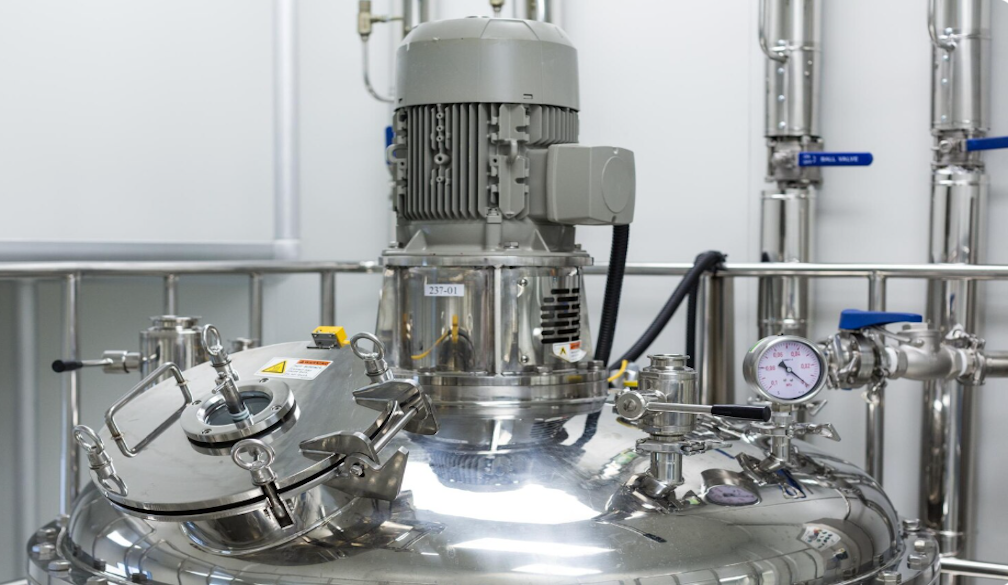
Compressed air is often described as the fourth utility in industrial environments, and for good reason. A dependable industrial air compressor provides the energy needed to operate tools, machinery, and automated systems across a wide range of industries. From manufacturing and food processing to construction and maintenance facilities, air compressors play a central role in keeping operations running smoothly and efficiently.
Unlike other power sources, compressed air is versatile, clean, and easy to distribute throughout a facility. However, the performance of an entire system depends heavily on the quality and suitability of the air compressor at its core. Choosing the right industrial air compressor is essential for productivity, cost control, and long-term reliability.
Why Compressed Air Is Essential in Industrial Settings
Industrial environments rely on compressed air for countless applications. Pneumatic tools, control valves, packaging systems, conveyors, and cleaning processes all depend on a stable supply of compressed air. Its ability to deliver consistent power without electrical sparks makes it particularly valuable in sensitive or hazardous environments.
Compressed air systems also offer flexibility. Air can be stored, regulated, and delivered exactly where it is needed, allowing facilities to adapt quickly to changing production demands. This adaptability is one of the main reasons air compressors remain a cornerstone of industrial infrastructure.
Understanding How Industrial Air Compressors Work
An industrial air compressor operates by drawing in atmospheric air, compressing it to a higher pressure, and storing it for use. This compressed air is then released through a network of pipes and hoses to power equipment and processes. The level of pressure and airflow required depends on the specific application and equipment being used.
Different compressor designs achieve compression in different ways, but the underlying goal remains the same. Reliable operation, consistent pressure, and efficient energy use are critical to ensuring that downstream equipment performs as intended without interruptions.
Types of Industrial Air Compressors and Their Uses
Industrial air compressors come in several configurations, each suited to particular operating requirements. Rotary screw compressors are commonly used in continuous-duty applications where a steady supply of air is needed throughout the day. Their design supports smooth operation and consistent airflow.
Reciprocating compressors are often used in applications with variable demand. They are well suited to intermittent use and smaller systems. Other designs, such as centrifugal compressors, are used in large-scale operations where very high volumes of compressed air are required.
Selecting the right type depends on factors such as air demand, duty cycle, and operating environment. A properly matched compressor delivers better performance and lower operating costs over time.
Energy Efficiency and Operating Costs
Energy consumption is one of the largest costs associated with compressed air systems. Inefficient compressors or poorly matched systems can lead to excessive power use and unnecessary expense. Modern industrial air compressors are designed with energy efficiency in mind, using advanced controls and optimised components to reduce waste.
Efficient compressors adjust output based on demand, avoiding constant full-load operation when it is not needed. This not only reduces energy costs but also minimises wear on components, extending equipment life. Over time, energy-efficient operation delivers significant savings for industrial facilities.
Air Quality and System Performance
The quality of compressed air has a direct impact on equipment performance and product quality. Moisture, oil, and contaminants in compressed air can damage tools, interfere with processes, and compromise finished products. Industrial air compressors are often paired with dryers and filtration systems to ensure clean, dry air.
Maintaining proper air quality is especially important in industries such as food processing, pharmaceuticals, and electronics manufacturing. Clean compressed air supports compliance with industry standards and protects sensitive equipment from contamination and corrosion.
Reliability and Continuous Operation
In many industrial environments, downtime is costly. A reliable air compressor is essential for maintaining continuous operation and avoiding production delays. Industrial air compressors are built for durability, with robust components designed to withstand demanding conditions and extended run times.
Consistent maintenance and monitoring further enhance reliability. Well-maintained compressors deliver stable pressure and airflow, ensuring that connected equipment operates efficiently and predictably. Reliability at the compressor level translates directly into reliability across the entire facility.
Integration With Modern Control Systems
Modern industrial air compressors are increasingly integrated with digital control and monitoring systems. Sensors track performance metrics such as pressure, temperature, and energy use, providing real-time insight into system health. This data allows operators to optimise performance and detect issues early.
Automated controls enable compressors to respond dynamically to changes in demand. This integration improves efficiency, reduces manual intervention, and supports more intelligent facility management.
Maintenance and Lifecycle Considerations
Regular maintenance is critical to the long-term performance of an industrial air compressor. Filters, lubricants, and cooling systems must be serviced according to manufacturer guidelines to prevent performance degradation and component failure.
Industrial compressors are designed with serviceability in mind, allowing maintenance tasks to be performed efficiently. Preventative maintenance not only reduces the risk of unexpected breakdowns but also helps maintain energy efficiency and consistent air quality over the life of the system.
Safety and Operational Stability
Compressed air systems operate under pressure, making safety an important consideration. Industrial air compressors are designed with protective features such as pressure relief valves and monitoring systems to ensure safe operation. Proper installation and operation further reduce risk.
Stable compressor performance also supports safer working conditions. Consistent air pressure ensures tools and equipment behave predictably, reducing the likelihood of accidents caused by sudden pressure fluctuations or equipment failure.
In industrial operations where compressed air is essential, the air compressor becomes a critical asset. Its quiet, continuous contribution supports countless processes behind the scenes, making it a foundational element of modern industry.