Why Childcare Cleaning Is Essential for Safe and Hygienic Early Learning Environments
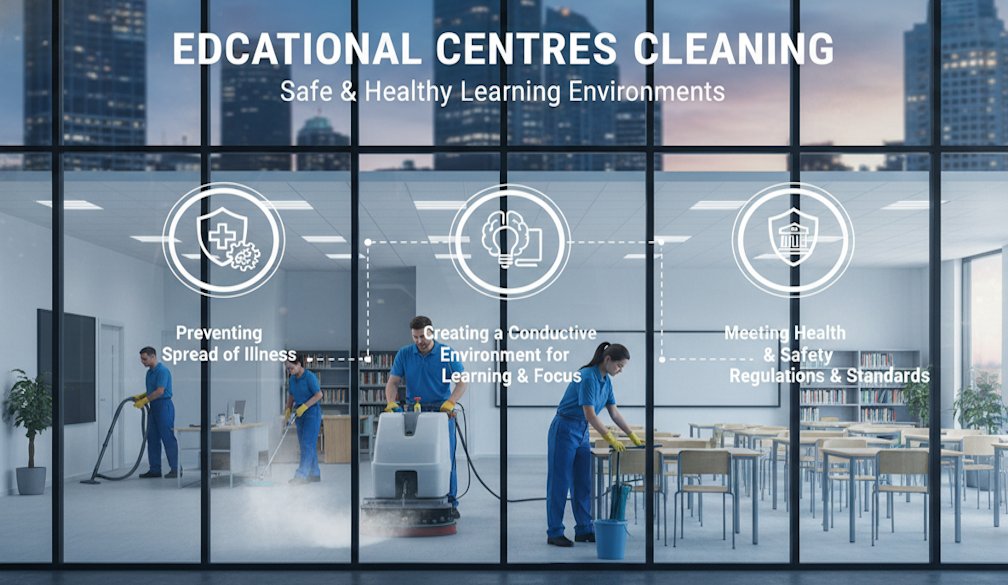
Childcare centres provide important environments where young children learn, play, and develop social skills. Because these spaces are used by infants and toddlers who are more vulnerable to germs and bacteria, maintaining strict hygiene standards is essential. Regular and professional childcare cleaning helps ensure that childcare facilities remain safe, healthy, and comfortable for children, staff, and visitors.
Young children frequently interact with shared toys, surfaces, and play areas throughout the day. Without proper sanitation, germs can spread easily in these environments. Thorough cleaning practices help reduce the risk of illness and create a space where children can explore and learn safely.
Understanding the Importance of Hygiene in Childcare Centres
Childcare environments require higher hygiene standards than many other facilities because children often have developing immune systems. Toddlers frequently touch surfaces, toys, and learning materials, which can lead to the quick spread of bacteria if proper cleaning procedures are not followed.
Maintaining a hygienic environment helps protect children from infections, allergies, and other health concerns.
Regular sanitation of surfaces, floors, and shared items reduces the presence of harmful microorganisms.
Clean environments also help ensure that children feel comfortable while participating in learning activities.
By maintaining strict hygiene practices, childcare facilities create safer spaces for early childhood development.
Cleaning Classrooms and Play Areas
Playrooms and learning spaces are the most active areas within childcare centres. Children spend much of their time in these rooms playing with toys, interacting with classmates, and participating in educational activities.
These spaces require frequent cleaning to maintain hygiene standards.
Floors, play mats, and activity tables should be cleaned regularly to remove dirt and germs.
Shared toys and learning materials must also be sanitised because they are handled by multiple children throughout the day.
Maintaining clean play areas helps reduce the risk of illness and ensures that children can enjoy their activities safely.
Sanitising Toys and Learning Materials
Toys and educational materials are essential tools for childhood development, but they can also become sources of germs if they are not cleaned regularly.
Children often place toys in their mouths or handle them repeatedly, which increases the risk of contamination.
Cleaning teams ensure that toys are washed and disinfected regularly using child-safe cleaning products.
Soft toys, plastic toys, and educational tools all require proper sanitation to maintain hygiene standards.
Keeping toys clean helps protect children from infections and supports healthy learning environments.
Maintaining Hygiene in Restrooms and Changing Areas
Restrooms and diaper-changing areas require strict sanitation practices in childcare facilities. These areas must be cleaned frequently to prevent the spread of bacteria.
Surfaces such as sinks, countertops, toilets, and changing stations should be disinfected regularly.
Proper waste disposal is also essential for maintaining cleanliness and preventing unpleasant odours.
Maintaining hygienic restroom facilities helps protect children and staff from potential health risks.
Clean restroom environments also contribute to the overall hygiene standards of childcare centres.
Cleaning Dining and Food Preparation Areas
Many childcare facilities provide meals or snacks for children throughout the day. Dining areas and food preparation spaces must therefore maintain high levels of cleanliness.
Tables, chairs, and food preparation surfaces should be sanitised regularly to prevent contamination.
Cleaning teams ensure that spills and food residues are removed promptly to maintain hygienic conditions.
Maintaining clean dining areas helps ensure that children can eat safely and comfortably.
Proper sanitation of food areas also helps childcare centres comply with food safety standards.
Reducing the Spread of Germs and Illness
Young children often interact closely with each other during play and learning activities. This close contact can increase the likelihood of germs spreading within childcare environments.
Regular cleaning helps reduce this risk by disinfecting frequently touched surfaces such as door handles, toys, tables, and play equipment.
Maintaining clean environments helps minimise outbreaks of common illnesses such as colds or stomach infections.
Healthy environments allow children to attend childcare consistently without frequent absences due to illness.
Protecting children’s health is a top priority for childcare providers.
Creating a Safe Environment for Staff and Visitors
Childcare cleaning also benefits educators, caregivers, and visiting parents who spend time in the facility. Clean environments reduce health risks for staff members who work closely with children throughout the day.
Maintaining hygienic workspaces also improves working conditions for caregivers and teachers.
Parents who visit childcare centres often evaluate cleanliness when deciding whether a facility is suitable for their child.
A well-maintained centre reassures families that the organisation prioritises safety and child wellbeing.
Clean environments build trust between childcare providers and parents.
Preventing Long-Term Damage to Facilities
Regular cleaning also helps protect the physical condition of childcare facilities. Dirt, spills, and moisture can damage floors, furniture, and equipment over time if not cleaned promptly.
Routine cleaning prevents buildup that could cause long-term deterioration of surfaces.
Maintaining clean facilities helps extend the lifespan of furniture, play equipment, and classroom materials.
Well-maintained environments also create pleasant spaces where children can learn and play comfortably.
Protecting facility infrastructure helps childcare centres maintain high operational standards.
Supporting Positive Learning Experiences
Clean and organised environments support better learning experiences for young children. When classrooms and play areas remain tidy, children can focus on activities without distractions caused by clutter or unhygienic conditions.
Teachers and caregivers can also conduct lessons more effectively when learning materials and environments remain well maintained.
Children feel more comfortable exploring their surroundings when spaces are clean and organised.
Positive learning environments encourage curiosity, creativity, and social interaction among young learners.
Maintaining cleanliness helps create spaces where children can develop confidently.
Ensuring High Standards in Early Childhood Education
Childcare centres play an important role in early childhood development. Maintaining hygienic environments helps ensure that these facilities support the health, safety, and wellbeing of young children.
Professional cleaning practices help reduce health risks, maintain organised spaces, and ensure compliance with hygiene standards.
By prioritising childcare cleaning, facilities demonstrate their commitment to providing safe and nurturing environments where children can grow, learn, and thrive.