Pallet Lifecycle Management: Repair, Reuse, and Replacement Strategies
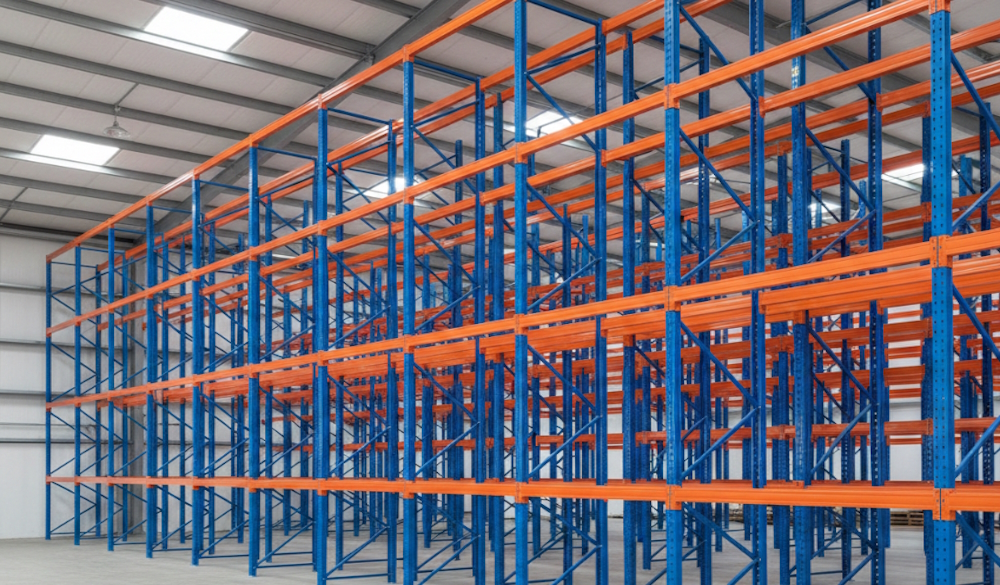
In the fast-paced world of logistics, a timber pallet is more than just a platform for goods; it is a critical asset that requires active management. Effective lifecycle management involves a circular approach that prioritises the longevity of every unit. By implementing clear strategies for recovery and maintenance, businesses can stabilise their timber supplies in Sydney and reduce the environmental impact of their operations.
Moving away from a "single-use" mindset toward a structured lifecycle ensures that your logistics budget is spent on performance rather than constant replacement.
The Circular Lifecycle of a Timber Pallet
The journey of a pallet does not end after one delivery. A managed lifecycle follows a loop that keeps materials in circulation for as long as possible.
- Procurement and Usage: High-quality timber pallets are designed to endure multiple transport cycles. Their durability during this initial phase is the foundation of their long-term value.
- Recovery and Inspection: Once a pallet reaches its destination, it is retrieved through reverse logistics. Every returned unit must be inspected for structural integrity, moisture content, and contamination.
- Sorting for Treatment: Units are sorted into three categories: those ready for immediate reuse, those requiring repair, and those that must be decommissioned for recycling.
Repair: Extending the Working Life
Repairing a pallet is often the most cost-effective way to maintain your fleet. Most physical damage can be fixed without compromising the load-bearing capacity of the unit. Common repairs include:
- Board Replacement: Cracked or split deck boards can be replaced with new or salvaged timber planks of the same grade.
- Fastener Reinforcement: Loose or protruding nails are a safety hazard. Driving them flush or replacing them with wood screws can restore the grip and stability of the joints.
- Joint Reinforcement: Small hairline cracks in slats can be reinforced before they grow into full breaks.
Ongoing maintenance prevents minor issues from escalating. For businesses using export-grade pallets, any replaced timber must also comply with ISPM 15 heat treatment standards to ensure the unit remains compliant for international trade.
Reuse: Maximising Asset Turnover
A pallet that passes inspection can be put back into the rotation immediately. Reusing existing assets reduces the demand for virgin timber and lowers the overall cost per trip. To support high reuse rates, pallets should be:
- Stored Correctly: Keep timber pallets in a dry, ventilated area to prevent warping and mould growth.
- Handled with Care: Training forklift operators to avoid "spearing" the stringers or dropping loads unevenly can drastically reduce the damage rate.
- Tracked and Managed: Using inventory systems to monitor where your pallets are ensures they return to your facility rather than being lost in the supply chain.
Replacement: Knowing When to Decommission
There is a point where the cost of repair exceeds the value of the pallet. Safety must remain the priority when deciding to retire an asset. Replacement is necessary when:
- Structural Failure: If more than a few boards are broken or if the central stringers are crushed, the pallet's integrity is compromised.
- Contamination: Pallets exposed to industrial chemicals, heavy mould, or pest infestations must be decommissioned immediately.
- Persistent Warping: A pallet that no longer sits flat can destabilise an entire stack, creating a significant safety risk in high-reach racking.
- Weakening Fibres: Wood that feels "soft" or sags noticeably under its usual load has reached the end of its useful life.
End-of-Life: Recycling and Repurposing
Retiring a pallet from your supply chain does not mean it is destined for a landfill. The "Final Step" of the lifecycle is repurposing the raw material. Decommissioned pallets are often dismantled so that the healthy boards can be used for repairs. The remaining wood is typically processed into wood mulch for landscaping, animal bedding, or biomass fuel.
This ensures that even when the pallet can no longer carry a load, the timber continues to serve a purpose.
Strategic Management for Sydney Businesses
Managing the pallet lifecycle is a proactive way to build a resilient supply chain. By choosing high-quality timber supplies in Sydney and implementing a disciplined repair-and-reuse program, you protect your bottom line and support sustainable logistics.
Consistency is the key. Regular audits and a partnership with a reliable supplier allow you to turn your pallets from a recurring expense into a long-term asset that powers your business forward.