Why Pallet Racking Systems Are Important For Modern Warehousing
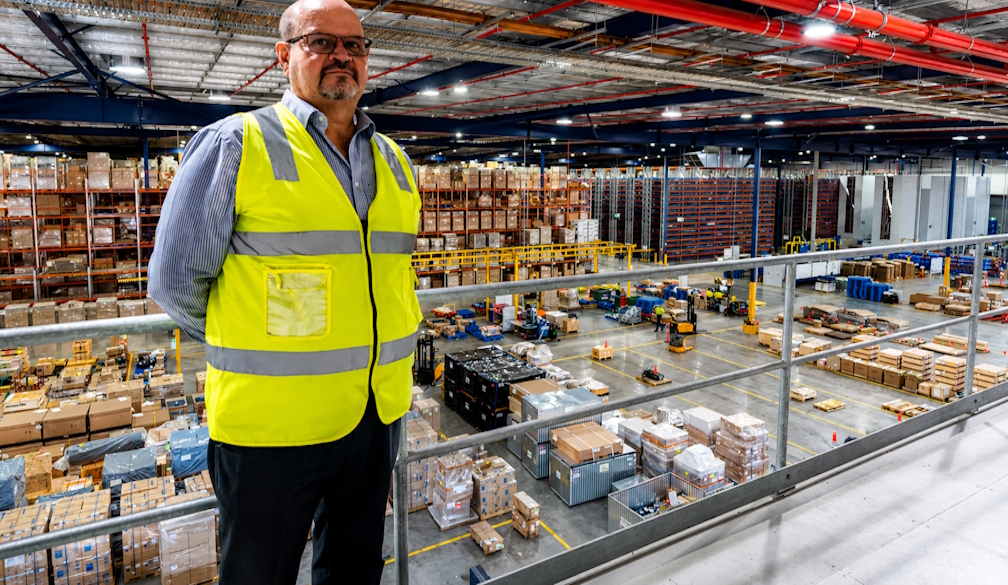
Warehouse operations depend heavily on efficient storage systems to manage inventory safely and maintain smooth day-to-day logistics. Many businesses use pallet racking solutions to improve organisation, maximise storage capacity, and support more efficient warehouse management. Structured storage systems help businesses handle increasing stock volumes while maintaining accessibility and operational productivity.
As industries continue expanding through retail, manufacturing, logistics, and e-commerce, warehouses require reliable storage infrastructure capable of supporting fast-moving inventory and changing supply chain demands. Pallet racking remains one of the most widely used warehouse storage systems because of its flexibility, durability, and ability to improve space utilisation.
Efficient Storage Helps Maximise Warehouse Capacity
Warehouse space is valuable, and inefficient storage layouts can quickly reduce operational efficiency and increase costs. Without organised storage systems, products may become difficult to access, leading to cluttered workspaces and wasted floor space.
Pallet racking systems allow warehouses to use vertical storage more effectively by stacking inventory across multiple levels. This increases storage capacity without requiring additional building expansion, helping businesses optimise available warehouse space more efficiently.
Better space utilisation also improves movement throughout the warehouse and supports smoother inventory handling.
Organised Storage Improves Workflow
Structured warehouse layouts contribute directly to faster and more reliable operations. Pallet racking systems help staff organise products clearly, making it easier to locate, retrieve, and restock inventory during daily activities.
Improved organisation reduces delays caused by misplaced products or overcrowded storage zones. Faster access to inventory supports more efficient order fulfilment, loading, and distribution processes, particularly during high-demand periods.
Warehouses with organised storage systems often experience stronger productivity and reduced operational downtime.
Different Industries Use Pallet Racking
Pallet racking systems are widely used across industries including manufacturing, logistics, wholesale distribution, retail, food storage, and e-commerce. Different industries require different storage configurations depending on product size, inventory turnover, and handling requirements.
Some facilities need heavy-duty racking capable of supporting large industrial products, while others focus on high-density storage for packaged consumer goods. Flexible racking systems allow businesses to customise layouts according to warehouse dimensions and operational requirements.
Adaptable storage infrastructure supports both small businesses and large-scale industrial facilities.
Warehouse Safety Is A Major Priority
Safe storage practices are essential in environments where forklifts, heavy stock, and large-scale inventory movement occur regularly. Poorly organised storage can increase the risk of falling products, damaged inventory, and workplace accidents.
Properly installed pallet racking systems improve warehouse safety by providing secure and stable product storage. Clear aisle spacing and structured storage layouts also help forklift operators move inventory more safely throughout the facility.
Routine inspections and proper load management are important for maintaining the long-term safety and reliability of racking systems.
Inventory Management Becomes More Efficient
Effective inventory control is essential for businesses handling large stock volumes and complex supply chains. Pallet racking systems help organise products more clearly, improving stock visibility and accessibility across the warehouse.
Structured storage supports more accurate stock tracking, easier inventory rotation, and faster auditing processes. Organised inventory management also reduces the risk of product damage and misplaced stock.
Improved inventory visibility contributes to stronger supply chain efficiency and more reliable warehouse operations.
Different Racking Configurations Suit Different Needs
There are several types of pallet racking systems designed to suit different operational requirements and warehouse layouts. Selective racking provides direct access to individual pallets, while drive-in systems maximise storage density for bulk inventory.
Cantilever racking may be used for oversized products, while adjustable systems allow businesses to modify storage layouts as operational needs change. Choosing the right racking configuration depends on product dimensions, stock movement frequency, and available warehouse space.
Customised storage solutions help improve warehouse flexibility and overall operational performance.
Durable Storage Systems Support Long-Term Operations
Industrial storage systems must withstand heavy loads, frequent handling activity, and demanding warehouse environments over long periods. Quality pallet racking systems are manufactured using durable materials designed to support long-term operational reliability.
Strong construction helps reduce structural damage and maintenance issues caused by regular forklift use and inventory movement. Reliable storage infrastructure also contributes to smoother daily operations and reduced operational disruptions.
Businesses often prioritise durable racking systems to support future warehouse growth and ongoing operational demands.
Flexible Storage Supports Business Expansion
As businesses grow, inventory levels and storage requirements often increase as well. Flexible pallet racking systems can be expanded or reconfigured to support changing warehouse layouts and operational needs.
Modular storage systems allow businesses to adjust capacity, reorganise inventory zones, or improve workflow efficiency without requiring major facility changes. This flexibility helps warehouses adapt more effectively to seasonal demand fluctuations and long-term growth.
Scalable storage infrastructure supports more efficient warehouse planning and business development.
Conclusion
Pallet racking systems continue to play an essential role in improving warehouse organisation, storage efficiency, and operational productivity across multiple industries. Structured storage solutions help businesses maximise available space while supporting safer inventory handling and smoother logistics operations. As warehousing demands continue evolving, reliable pallet racking remains a practical and valuable investment for businesses seeking efficient and scalable storage management solutions.