Articulated Forklift Advantages For Flexible And Efficient Material Handling
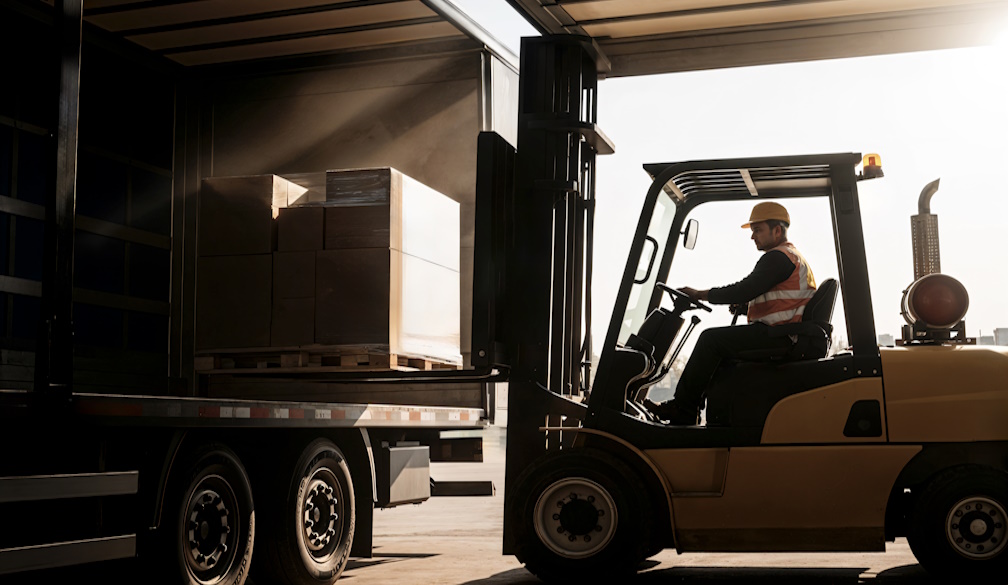
Warehouses, distribution centres, and industrial facilities are constantly looking for ways to improve storage capacity and operational efficiency without increasing their footprint. One solution that has gained significant attention in modern material handling is the articulated forklift. Designed to operate effectively in confined spaces while maintaining excellent load-handling capabilities, this type of equipment helps businesses maximise warehouse storage and improve productivity across a variety of applications.
As storage requirements continue to grow, businesses need equipment that can navigate narrow aisles while still handling loads safely and efficiently. Flexible material handling solutions allow organisations to optimise warehouse layouts, increase storage density, and streamline inventory management processes. This combination of manoeuvrability and performance makes specialised forklifts an important asset in modern warehousing operations.
The Need For Greater Warehouse Efficiency
Warehousing costs represent a significant portion of operational expenses for many businesses. As inventory volumes increase and customer expectations continue to evolve, organisations are under pressure to improve efficiency while controlling costs. Expanding facilities is often expensive and may not always be practical.
Many businesses instead focus on making better use of existing warehouse space. Optimising storage layouts and improving material handling processes can significantly increase capacity without requiring additional premises. Efficient equipment plays a key role in achieving these objectives while supporting day-to-day operations.
Operating Effectively In Confined Spaces
Traditional forklifts often require wide aisles to manoeuvre safely. These aisle requirements can limit storage density and reduce the amount of inventory a warehouse can accommodate. Equipment designed for greater flexibility allows operators to work efficiently within narrower aisle configurations.
Improved manoeuvrability supports more compact warehouse layouts, enabling businesses to allocate additional space to storage racks rather than travel paths. This approach helps maximise available capacity while maintaining accessibility to inventory throughout the facility.
Increasing Storage Density
One of the most significant advantages of flexible material handling equipment is the ability to support higher-density storage systems. Narrower aisles allow warehouses to install additional racking, increasing the number of storage locations available within the same footprint.
Greater storage density helps businesses accommodate larger inventories while reducing the need for facility expansion. This can be particularly valuable for organisations experiencing growth or managing seasonal fluctuations in stock levels. Efficient use of available space contributes directly to improved warehouse performance.
Enhancing Productivity And Workflow
Productivity is closely linked to the efficiency of material handling operations. Equipment that allows operators to navigate warehouses more easily can help reduce travel times and improve workflow throughout the facility.
Faster access to storage locations supports quicker inventory retrieval and replenishment activities. This contributes to improved order fulfilment times, better inventory management, and stronger overall operational performance. Efficient workflows help businesses meet customer expectations while maintaining competitive service levels.
Supporting A Wide Range Of Applications
Modern warehouses manage a diverse range of products, storage systems, and operational requirements. Flexible material handling equipment is suitable for many industries, including logistics, manufacturing, retail distribution, wholesale operations, and e-commerce fulfilment.
The ability to handle different load types while operating efficiently in confined spaces makes these solutions highly versatile. Businesses benefit from equipment that can adapt to changing operational requirements without compromising performance or safety.
Improving Inventory Accessibility
Efficient inventory management depends on reliable access to stored products. High-density storage systems must still allow employees to retrieve and store inventory quickly and accurately. Equipment with enhanced manoeuvrability helps maintain accessibility even within compact warehouse layouts.
Improved accessibility reduces delays and supports accurate stock management. Employees can complete storage and retrieval tasks more efficiently, contributing to better inventory control and smoother warehouse operations overall.
Reducing Operational Costs
Warehouse efficiency has a direct impact on operating costs. Better use of available space can reduce the need for additional storage facilities, while streamlined workflows contribute to improved labour productivity. These efficiencies help businesses control costs while supporting growth objectives.
Reducing travel distances and improving inventory accessibility can also minimise equipment wear and fuel or energy consumption. Over time, these benefits contribute to lower operating expenses and improved return on investment.
Supporting Safe Warehouse Operations
Safety remains a fundamental consideration in all material handling environments. Warehouse equipment must provide operators with the control and stability necessary to perform tasks safely and efficiently. Proper training, equipment maintenance, and adherence to safety procedures are essential components of successful warehouse operations.
Modern material handling solutions are designed to support safe operation within challenging environments. Improved visibility, precise handling characteristics, and enhanced manoeuvrability contribute to safer movement throughout warehouse facilities. These features help reduce risks while maintaining productivity.
Preparing For Future Business Growth
Businesses must often balance current operational needs with future growth plans. Investing in efficient storage and material handling solutions can help organisations accommodate increased inventory levels without significant infrastructure changes.
Flexible warehouse equipment supports scalability by enabling businesses to maximise existing space and improve operational efficiency. This proactive approach helps organisations adapt more effectively to changing market conditions and customer demands.
The Future Of Material Handling
Advancements in warehouse technology continue to influence how businesses manage inventory and logistics operations. Efficient material handling solutions will remain essential as organisations seek to improve productivity, optimise storage, and enhance supply chain performance.
As warehouses become increasingly focused on space utilisation and operational efficiency, equipment that supports flexible and high-density storage strategies will continue to play a critical role. Businesses that invest in these capabilities position themselves for stronger long-term performance and competitiveness.
Conclusion
Efficient material handling is essential for businesses seeking to maximise warehouse capacity and improve operational performance. Flexible equipment solutions support higher storage density, improved inventory accessibility, and enhanced productivity while helping organisations make better use of available space. By investing in equipment that supports efficient warehouse operations, businesses can reduce costs, improve workflows, and prepare for future growth. In an increasingly competitive logistics environment, effective material handling remains a key factor in achieving long-term success.