Fire Suppression Pipe: Choosing the Right Tubing for Australian Industrial and Commercial Applications
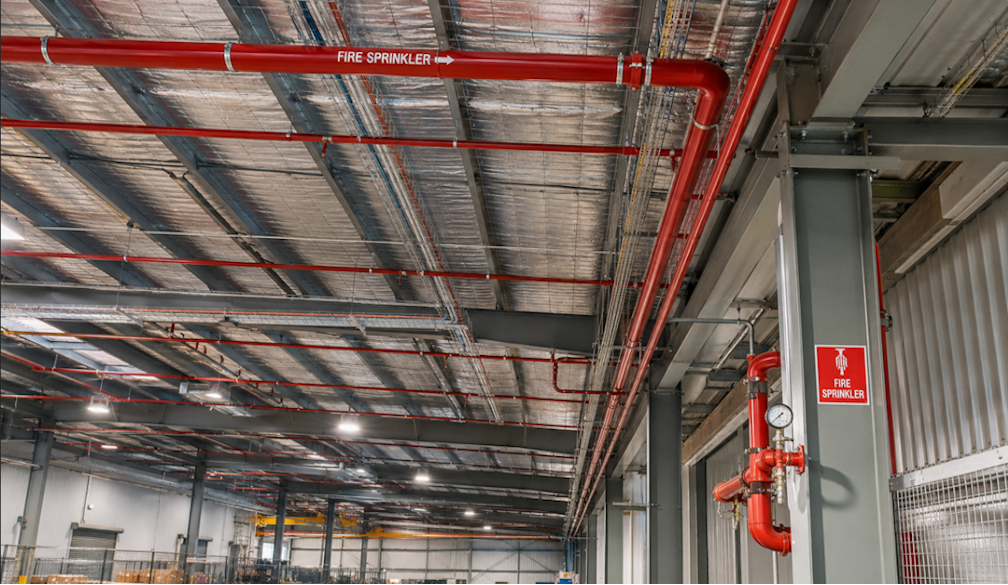
When a fire suppression system activates, there's no margin for error. The fire suppression pipe network carrying suppressant from storage containers to discharge nozzles must perform flawlessly under extreme pressure, in milliseconds, at the moment it matters most. Choosing the wrong pipe material, specification, or fitting arrangement doesn't just mean a failed system; it can mean an uncontrolled fire in a warehouse, a data centre, or a manufacturing facility.
Australian fire suppression installations are governed by a detailed regulatory framework, and the pipework that makes up these systems must meet strict requirements for material quality, pressure rating, corrosion resistance, and compatibility with the suppression agent being used. Whether you're working with gaseous suppression systems, water mist, foam deluge, or traditional sprinkler networks, understanding the pipe and tubing requirements is essential.
This guide covers the key considerations for specifying fire suppression pipework in Australian industrial, warehouse, and commercial environments, from material options and pressure ratings through to installation standards and compliance requirements.
Why Fire Suppression Pipework Specification Matters
Fire suppression systems are a life safety and asset protection infrastructure. Unlike most industrial pipework, suppression systems are called upon rarely, but when they are needed, they must deliver the right volume of suppressant to the right location at the right pressure without failure.
The pipework in a suppression system is under elevated pressure between activations (in the case of pre-pressurised systems) or must withstand a sudden surge of pressure at activation. This creates demanding mechanical requirements that differ significantly from standard process or utility pipework.
Selecting the correct fire suppression tubing also has direct implications for system certification and insurance. Australian fire protection systems must comply with relevant Australian Standards, and non-compliant pipework can void system certification, affect insurance cover, and create liability exposure in the event of a fire.
Suppression Agent Types and Their Pipe Compatibility Requirements
The suppression agent determines many of the pipe specification requirements. Different agents impose different conditions on the pipework during storage and discharge.
Clean Agent Systems (HFCs, Inert Gases, CO2)
Clean agent gaseous suppression systems, including HFC-based agents, inert gas blends, and carbon dioxide systems, typically operate at high pressures, with some inert gas systems operating at working pressures above 200 bar. The pipework for these systems requires seamless steel tube or other approved high-pressure materials, with fittings and connections capable of withstanding these pressures without deformation or leakage.
CO2 systems impose particularly demanding conditions due to the phase change from liquid to gas that occurs during discharge, creating rapid pressure fluctuations and thermal stress in the pipe network.
Water-Based Systems: Sprinklers and Water Mist
Traditional sprinkler systems operating at lower pressures have historically used black steel or galvanised steel pipe in Australia. However, galvanised steel's susceptibility to internal corrosion, particularly in wet pipe systems where standing water is always present, has driven wider adoption of alternative materials for new installations.
High-pressure water mist systems used in marine, tunnel, and data centre environments may require stainless steel or copper tubing to meet both pressure and water quality requirements.
Foam Deluge and Suppression Systems
Foam systems must use pipe materials compatible with the specific foam concentrate being used. Some foam agents are highly corrosive to certain metals, requiring stainless steel or purpose-designed plastic-lined systems.
Pipe and Tube Materials for Fire Suppression Applications
Several materials are approved and used in Australian fire suppression pipework, each with specific applications and limitations.
Black Steel (ERW and Seamless)
Black (uncoated) steel pipe is a common choice for dry-pipe and pre-action sprinkler systems where standing water is not present. Electric resistance welded (ERW) tube is used in lower-pressure applications, while seamless steel tube is preferred for higher-pressure systems and for clean agent systems where the pipe's ability to handle pressure transients is critical.
Galvanised Steel
Galvanised steel pipe remains widely used in wet sprinkler systems. However, it's important to understand that the galvanising protects only the external surface; the interior is zinc-coated but still susceptible to corrosion over time, particularly where water quality is poor or oxygen ingress occurs. Regular flushing and water treatment can extend service life, but modern alternatives are often preferred for new installations.
Stainless Steel Tube
Stainless steel offers the best combination of corrosion resistance, mechanical strength, and longevity for fire suppression applications. It is the preferred material for water mist systems, high-purity environments, marine applications, and anywhere that long-term reliability without corrosion risk is paramount.
Copper Tube
Copper tube is used extensively in residential and light commercial sprinkler systems. It offers good corrosion resistance and a clean internal bore, with the added benefit of easy soldering for smaller-diameter connections. It is not typically used in high-pressure gaseous suppression systems.
Understanding Pressure Ratings for Fire Suppression Pipe
One of the most critical specifications for fire suppression pipework is the pressure rating. The selected pipe and all associated fittings must have a rated working pressure that exceeds the maximum system pressure, including any surge pressures that may occur at activation.
For standard sprinkler systems, working pressures are typically in the range of 10 to 25 bar. High-pressure water mist systems may operate up to 140 bar. Clean agent gaseous systems vary significantly. CO2 systems may have storage pressures around 60 bar, while some inert gas systems can exceed 300 bar.
It's not sufficient to match the rated working pressure alone. The pipe must also have appropriate safety factors against burst pressure, and the fitting connections must be rated to the same standard as the pipe itself. A pipe rated at 200 bar connected with fittings rated at 100 bar creates a system whose effective pressure limit is 100 bar, a critical safety issue.
When selecting and installing fire suppression pipe, always consult with a licensed fire protection engineer to confirm that all components meet the pressure requirements of the specific system design.
Australian Standards and Compliance Requirements
Fire suppression pipework in Australia must comply with a framework of Standards Australia publications and relevant building codes. Key standards include:
- AS 2118 series — Automatic Fire Sprinkler Systems, covering both standard and residential sprinkler applications
- AS 2209 — Rubber hose assemblies for firefighting purposes
- AS ISO 14520 — Gaseous fire-extinguishing systems, covering clean agent installations
- The National Construction Code (NCC) — which references relevant fire protection standards and governs installation requirements for different building classifications
Compliance with these standards is not optional; it's a prerequisite for system certification and occupancy approval for relevant building classes. Material specifications, installation methods, testing procedures, and maintenance requirements are all addressed within this framework.
When sourcing pipe and fittings for fire suppression applications, always verify that materials carry appropriate certifications and comply with the relevant Australian Standard for the intended application. Substituting non-certified materials even where dimensions and apparent specifications appear similar can void system certification.
Installation and Testing Requirements
Beyond material specification, the way fire suppression pipework is installed is critical to system performance and longevity.
Key installation requirements include:
- Pipe support spacing must comply with the relevant standard — undersupported pipe can sag, creating low points where water accumulates, or can fail mechanically under surge loading at activation
- Joining methods — threaded, grooved, soldered, or press-fit — must be appropriate for the pipe material, pressure, and agent type. Grooved couplings are widely used in larger-diameter sprinkler systems for their ease of installation and ability to absorb thermal expansion and vibration
- System flushing before commissioning is essential to remove debris, swarf, and installation residue that can block nozzles or damage system components
- Hydrostatic testing to 1.5 times working pressure (or as specified in the relevant standard) must be conducted and documented before system commissioning
All installation work on fire suppression systems in Australia must be carried out by licensed fire protection contractors, and the completed system must be certified by an accredited inspection body.
Choosing the Right Pipe for Your Fire Suppression System
Specifying fire suppression pipe and tubing for Australian industrial, warehouse, and commercial applications requires a clear understanding of the suppression agent, operating pressures, environmental conditions, and applicable standards. There's no one-size-fits-all answer — the right pipe material for a high-pressure inert gas system in a data centre is very different from the specification for a traditional wet sprinkler system in a warehouse.
Working with qualified fire protection engineers and sourcing materials from suppliers who can provide certified, compliant products is the only responsible approach. The cost of getting the specification right is modest compared to the consequences of system failure in a real fire event.
For any industrial, warehouse, or commercial application, invest the time to specify correctly, install to standard, and maintain as required. A fire suppression system that performs when called upon is one of the most valuable investments any facility can make.