What To Know Before You Import Cars From USA To Australia Or Ship A Car In New Zealand
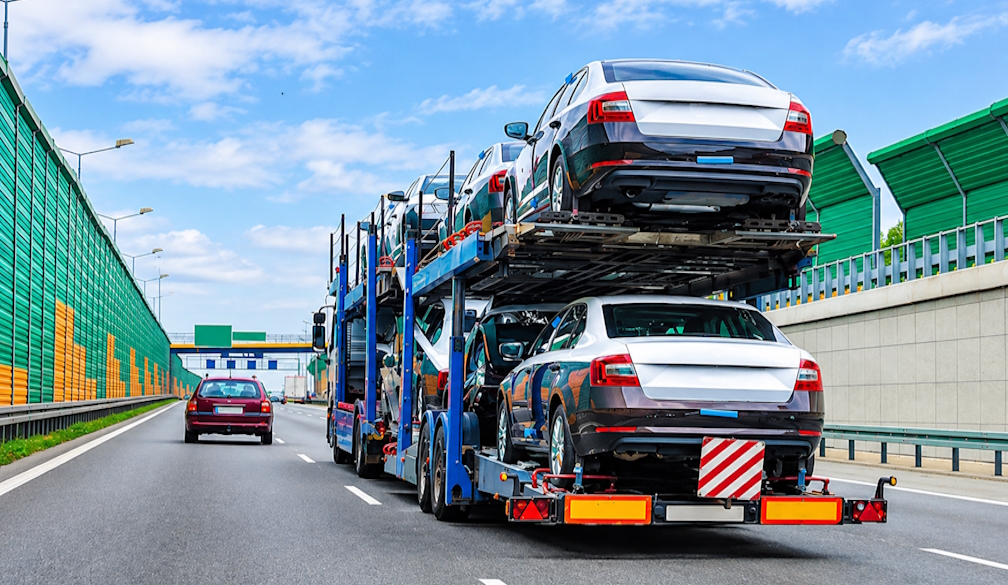
Relocating a vehicle across borders requires careful planning, whether you are moving across the Tasman or sourcing a classic muscle car from North America. Many vehicle owners underestimate the logistics involved in domestic transport and international shipping. If you need to arrange car shipping in New Zealand, understanding local regional routes and coastal shipping options is essential. Similarly, those who want to import cars from USA to Australia must familiarise themselves with strict customs regulations. Managing these processes successfully requires a clear understanding of costs, quarantine standards, and transport timelines. This guide outlines the essential factors you must consider before committing to any vehicle transport service in the Southern Hemisphere.
Strict Biosecurity and Quarantine Inspections
Australia and New Zealand maintain some of the strictest biosecurity barriers on earth to protect their unique ecosystems. When you plan to import cars from USA to Australia, your vehicle must undergo rigorous cleaning and inspection before it can clear customs. The Department of Agriculture, Fisheries and Forestry (DAFF) inspects every arriving vehicle for organic material, soil, seeds, and insects. Any trace of contamination results in costly steam-cleaning fees and lengthy delays at the port of entry.
Similarly, domestic car shipping in New Zealand involves strict biosecurity checks, especially when moving vehicles between the North and South Islands. The Ministry for Primary Industries (MPI) monitors domestic transit pathways to prevent the spread of pests like the brown marmorated stink bug. Before handing your vehicle over to a carrier, ensure it is thoroughly washed inside and out. Clean the wheel arches, undercarriage, and engine bay, and vacuum the interior carpets to remove all dirt and plant matter. Removing personal items from the cabin is also mandatory, as transport companies do not authorise their vessels or trucks to carry unmanifested cargo. By preparing your vehicle to meet these high standards, you avoid unexpected quarantine cleaning charges and ensure a seamless transit process.
Understanding Import Taxes, Duties, and Compliance
The financial aspect of vehicle transit extends far beyond the base freight rate. When you import cars from USA to Australia, you must account for customs duty, Goods and Services Tax (GST), and potentially the Luxury Car Tax (LCT). Customs duty is generally calculated at five per cent of the vehicle's value, while GST adds another ten per cent to the combined cost of the car, shipping, and insurance. Classic cars over thirty years old may qualify for duty exemptions, making them highly sought-after projects for Australian collectors.
In addition to financial costs, compliance is a significant hurdle. Vehicles must meet the Australian Design Rules (ADRs) to be registered for road use. This process often requires modifying left-hand drive vehicles to right-hand drive or updating safety components like seatbelts and headlights. In New Zealand, importing and moving vehicles domestically also demands compliance with local safety standards. Whether you are coordinating car shipping in New Zealand or managing an international shipment, you must secure the correct import permits before the vehicle departs its origin port. Attempting to ship a vehicle without an approved import permit can lead to severe penalties, including seizure of the vehicle or forced re-exportation at your own expense.
Selecting the Best Shipping Method
Choosing how your vehicle travels is a critical decision that affects both your budget and the safety of your asset. The two primary methods for international and domestic transit are Roll-on/Roll-off (RoRo) shipping and containerised freight. RoRo shipping involves driving the vehicle directly onto a specialised vessel, securing it to the deck, and driving it off at the destination. This method is highly cost-effective and remains the standard choice for standard passenger cars, SUVs, and commercial vehicles.
However, container shipping offers superior protection for rare, high-value, or non-running vehicles. When shipping valuable vehicles across the Pacific, placing your vehicle in a shared or private twenty-foot container shields it from salt air, moisture, and physical contact during the long ocean voyage. For domestic transport, similar choices exist. While road transport via open multi-car carriers is the most common method for vehicle transport, enclosed truck transport is available for premium vehicles. If you are moving a car between Auckland and Christchurch, you must also factor in the Cook Strait ferry crossing. Reputable shipping companies handle these multi-modal logistics seamlessly, ensuring your vehicle transitions smoothly from road transport to sea freight and back to road transport.
Preparing Your Vehicle and Documentation
Proper preparation of your vehicle and paperwork prevents transit damage and administrative delays. Before the transport company collects your car, document its physical condition thoroughly. Wash the vehicle and take high-resolution photographs from multiple angles, noting any pre-existing scratches, dents, or paint chips. This documentation serves as crucial evidence in the unlikely event of an insurance claim.
Ensure the fuel tank is only filled to about a quarter of its capacity, as carriers restrict fuel levels for safety reasons during transit. You must also disconnect the battery or provide clear instructions on how to operate any unique ignition systems. Ensure all fluids are topped up and check for any active leaks, as transport companies can refuse to load vehicles that drip oil or brake fluid onto other cargo. Finally, gather all necessary paperwork, including the original vehicle title, bill of lading, purchase invoice, and photo identification. Having these documents ready and organised ensures that customs brokers and transport coordinators can process your vehicle without delay. Whether you are managing local logistics or coordinating complex international shipping lanes, proper preparation safeguards your investment and guarantees a stress-free transport experience from start to finish.
Choosing a Reliable Logistics Partner
Selecting the right logistics provider is the most critical step in the entire transport process. You need a company with specific experience in the exact route you require. For instance, a provider specialising in European imports might not understand the nuances of how to manage American imports, such as handling left-hand drive permits or US export clearance. Look for companies that offer comprehensive, end-to-end services, including customs clearance, quarantine cleaning, and local delivery.
Similarly, when arranging vehicle transport locally, choose a carrier with a robust local network and transparent pricing. Avoid companies that offer unrealistically low quotes, as these often hide additional port handling fees, storage charges, or fuel surcharges. Read customer reviews on independent platforms to gauge the reliability of their communication and their track record for on-time delivery. A trustworthy logistics partner will provide real-time tracking updates and comprehensive marine cargo insurance to give you peace of mind throughout the journey. By investing time in selecting a reputable, experienced broker, you ensure your vehicle arrives safely and legally at its final destination, free from unexpected costs or legal complications.
Conclusion
Transporting a vehicle across borders or between islands requires careful planning, strict compliance, and the right logistics partner. Whether you are looking to import vehicles from the United States to Australia or need assistance with domestic vehicle transit in New Zealand, understanding the biosecurity rules, tax obligations, and preparation requirements is vital. Taking the time to clean your vehicle, organise your documentation, and choose the correct shipping method will save you time and money. Partnering with experienced transport professionals ensures that your vehicle is handled with care and complies with all local regulations. With the right preparation, you can look forward to driving your vehicle on local roads without any unnecessary stress.