Fast Business Loans
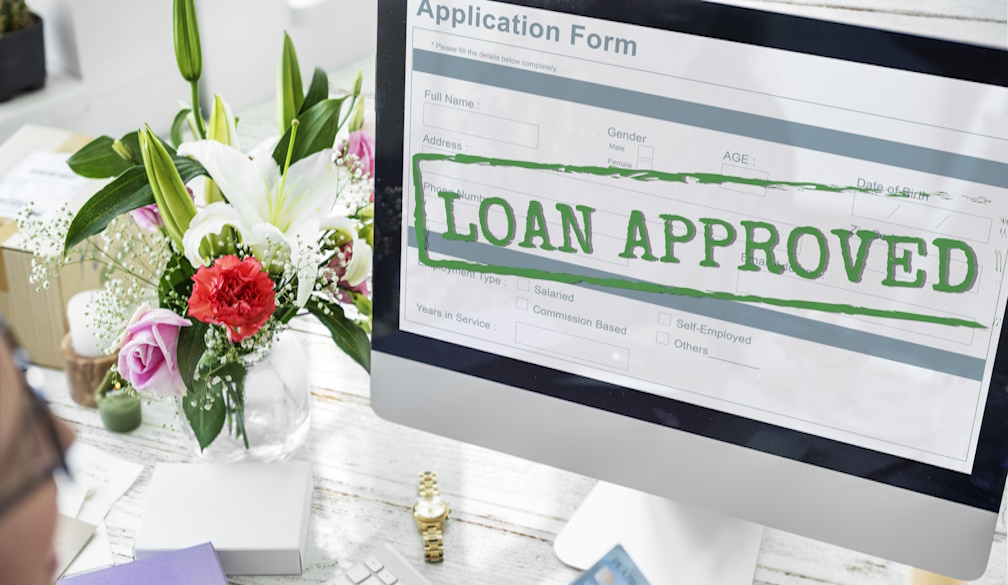
Fast business loans are short-term financing options designed to help companies access cash quickly—often within days or even as soon as the same business day, depending on the lender and your application. They’re commonly used when a business needs to cover urgent expenses, take advantage of a time-sensitive opportunity, or smooth out gaps in cash flow. For many owners, the main appeal is speed: less waiting for approvals and more time to run the business.
What “fast” usually means
While “fast” can vary by provider, it typically comes from a streamlined application process and quicker decision-making. Many fast lenders rely on electronic document submission, automated underwriting, and data-driven checks (such as bank statement analysis) rather than lengthy manual reviews. That can reduce delays—especially for businesses that may not fit the strict requirements of traditional bank loans.
Common types of fast business loans
Several products are frequently marketed as fast business financing:
- Unsecured short-term loans: Borrow a lump sum without putting up collateral. Repayment is made over a set period, usually with fixed payments.
- Business lines of credit: Access funds as needed up to a limit. This can be useful for recurring expenses, because you only pay interest on what you draw.
- Invoice financing or factoring: If you have outstanding invoices, the lender advances money based on your receivables. Factoring typically means the lender collects from customers; financing may be structured differently.
- Equipment financing: Loans or leases used to purchase equipment. Some lenders can move quickly when the equipment and documentation are straightforward.
- Merchant cash advances (MCAs): Cash advances repaid from future sales. They can be fast, but the total cost may be higher than other options.
Why businesses get approved quickly
Fast business loans often emphasize speed in areas such as:
- Simplified paperwork (digital forms and fewer documentation steps)
- Faster underwriting using financial data from your accounts
- Flexible eligibility criteria compared with traditional banks
- Clearer repayment mechanisms (e.g., scheduled payments or automatic withdrawals)
Because the process is quicker, these loans can be a practical solution when you need funds immediately—like restocking inventory, bridging payroll, covering repairs, or funding marketing to capture demand.
The trade-offs: speed can cost more
The main downside to fast financing is that it can come with higher fees and interest rates than conventional loans. Even when the approval looks affordable at first glance, costs can add up through:
- Origination fees
- Monthly service charges
- Processing or underwriting fees
- Higher effective APR
- Restrictions on prepayment (you may pay more if you want to repay early)
That’s why you should focus on the total cost of borrowing, not just the headline rate. Compare the full repayment amount, including all fees, and calculate the effective annual cost when possible.
Tips for choosing the right loan
To avoid expensive mistakes, take these practical steps:
- Read the full fee and repayment schedule. Look for anything that increases your total payment.
- Watch repayment terms closely. Shorter terms can mean higher payments; longer terms can increase total interest/fees.
- Check prepayment conditions. If you want flexibility, confirm whether early repayment is allowed and whether there are penalties.
- Understand personal guarantees. Some fast loans require a personal guarantee, which can put your personal assets at risk if the business can’t repay.