Viw Magazine

The Times


.

Keen IT students can improve their marks when given a chance to learn from their mistakes

  • Written by: Muneera Bano, Lecturer Software Engineering, Swinburne University of Technology
We need to reflect on our mistakes and learn from them if we're to improve our chances of success. Shutterstock/patpitchaya

From a very young age, we are conditioned to learn to succeed by avoiding failures or mistakes.

Our traditional education system is built largely on examination that marks down students for their mistakes in any assessed work. Students don’t often get a chance to have those mistakes highlighted early on so they can correct them before any final assessment.

But in research published this month we show how we used the mistakes information technology students make to help them learn and improve their marks in assessment, if they were keen to do so.


Read more: Protecting your kids from failure isn't helpful. Here's how to build their resilience


How to embrace mistakes

Mistakes can be valuable learning opportunities that help us all to improve ourselves.

In our curriculum design, we should shift the focus from penalising the mistakes students make, to how well they can learn from and improve upon their mistakes.

In our study we experimented by formally embracing mistakes made by IT students at University of Technology Sydney. We turned their mistakes into an educational resource to help them improve their communication and interpersonal skills.

There is a lack of resources for teachers of IT to show students how to effectively conduct interviews with clients or potential business customers.

Our research aim was to help these students develop those skills.

We used a corrective feedback learning approach, which advocates using failures or mistakes as learning opportunities. We designed an activity the students would repeat and at each stage we provided feedback and asked them to reflect on their mistakes.

We would then observe – but not mark – the progress of the students in each iteration. It’s important students are given a chance to improve upon their mistakes after each feedback.

Designing activity tasks to ‘learn from mistakes’.

Role-play interviews

Our study was conducted over two semesters with a total of 348 students enrolled in the Master of Information Technology’s unit of Enterprise Business Requirements at UTS.

One of the tasks for students was a role-playing activity. They were required to play a business analyst and interview a client about their technology and software needs.

We’ve seen in the past that students in this unit struggled with the social aspects of the interviewing task. So we designed the task by providing students with the opportunity to interview the client three times.

They received feedback on their mistakes at the end of every round and were given an opportunity to improve for the next round.

In the first semester, we observed the students and developed a list of 34 mistakes they made while interviewing a client, such as mistakes in communication skills, analyst behaviour, interaction with customer, and teamwork and planning.

In the second semester, we used that list of mistakes to monitor the progress the students made in all three iterations of the role-play interview activity.

After three interviews with the client, the students submitted a report for final assessment. It was on that report alone that they were marked.

For those students who scored low (below 50%) or average (50% and 60%) on their final assessment, they showed little motivation to improve their mark in all three rounds of feedback.

But those who scored 90% or more in their final assessment showed they were motivated to improve their mark. They made fewer mistakes in the second and third iterations of the interview, in comparison to their first interview.

These students improved upon their mistakes in communication, teamwork, planning and personal skills.


Read more: How to make good arguments at school (and everywhere else)


But the top-scoring students still struggled with the customer interaction part even by the third interview. When asked, the students reflected later that they needed more practice to improve that part of interviewing skills.

We can all learn from mistakes

The experiment found we need to include more preparation for students to develop and practise their skills.

Some university courses may already be doing this kind of feedback in assessment, but that wasn’t the case in our IT unit.

By providing a safe and simulated environment for our students to practise self-reflection and try to improve, our hope is that it offers a chance to build resilience and prepare mentally for the real world outside the classroom.

Muneera Bano is affiliated with the University of Technology Sydney as an adjunct associate in the Faculty of Engineering and IT, where the research mentioned in the article was conducted.

Authors: Muneera Bano, Lecturer Software Engineering, Swinburne University of Technology

Read more http://theconversation.com/keen-it-students-can-improve-their-marks-when-given-a-chance-to-learn-from-their-mistakes-122792

What to Add to Your Weekly Diet for Stronger, Glossier Strands

Achieving thick, vibrant hair requires more than just high-quality shampoos and topical serums. Real hair vitality starts from within, drive...

How to Reverse Sun Damage and Restore Moisture to Your Hair

Australia's harsh summer sun takes a heavy toll on our tresses, leaving them dry, brittle, and prone to breakage. While many of us remembe...

How to Build a Daily Hair Care Routine for Stronger, Shinier Strands

Achieving lustrous, resilient hair requires consistent daily care rather than occasional expensive treatments. While advanced clinical opt...

What to Do for Fine Hair to Instantly Boost Volume

Fine, flat hair often feels like a daily styling challenge, leaving many searching for ways to inject life and bounce into limp locks. While...

Why Melbourne Buyers Choose Loose Sapphires for Custom Engagement Rings

An engagement ring often starts as a finished image: a stone in a setting, photographed from the perfect angle. But some couples prefer to...

How to Clear a Deceased Estate: A Gentle, Practical Guide for Sydney Families

Losing a loved one is hard enough. Then, often within weeks, families are faced with the task of sorting through a lifetime of belongings...

NBN Not Working? Common Causes and What to Do Before Calling a Technician

There's never a good time for the internet to drop out. It always seems to happen in the middle of a work call, halfway through a movie or...

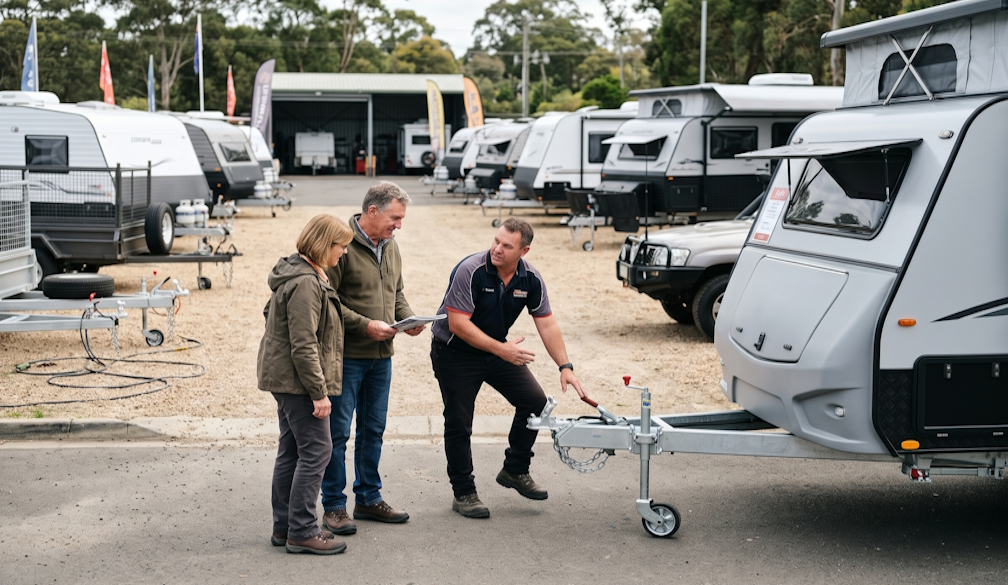
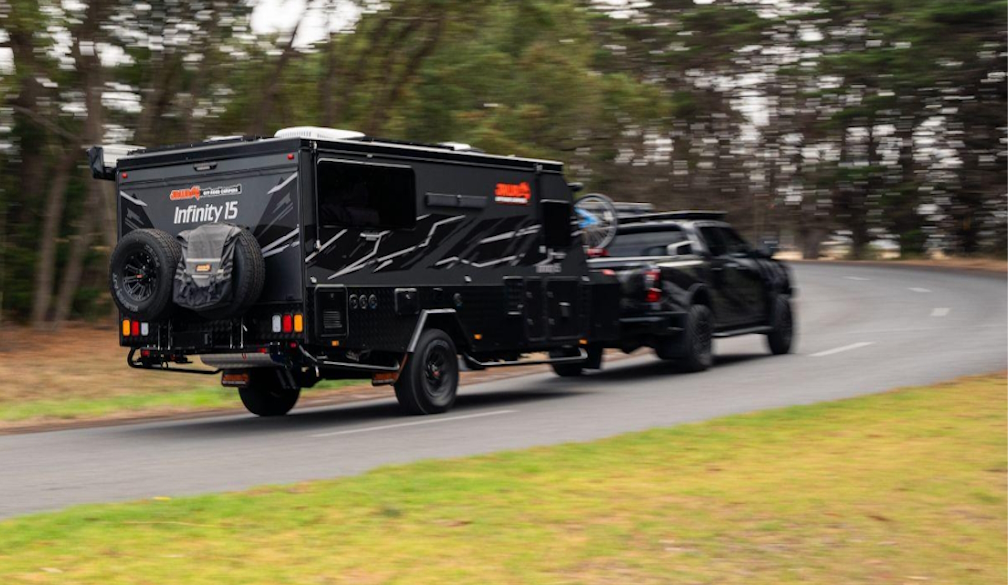
Off-Road Caravan for Sale: What to Look for Before You Buy

Buying a caravan is a significant investment. So, it is worth looking beyond the price tag and choosing a dealer that understands what you...

How Split Corrugated Conduit And Solar Conduit Support Better Cable Protection

Why Cable Protection Starts With The Application Wiring can encounter movement, abrasion, moisture, heat and physical contact depending o...

Can You Increase Your Income with Duplex and Dual Occupancy Builds?

A dual occupancy build is when 2 independent homes are constructed on a single block of land. They can either share a wall, as with a dupl...

Choosing Shutters and Blinds for Different Rooms in a Melbourne Home

Start With the Function of Each Room For homeowners comparing window coverings, shutters and blinds can be assessed by looking at light c...

How Property Conveyancing In Melbourne Helps Buyers And Sellers Navigate A Property Transaction

What Property Conveyancing Involves In Melbourne Buying or selling a property involves more than signing a contract and arranging finance...

Planning Bottle Label Printing for Different Product Applications

Bottle Branding Across Different Industries When businesses need packaging or printed containers developed for a particular application, ...

Why Corten Is Used for Distinctive Outdoor Steel Applications

Understand the weathering process Outdoor steel can serve both a functional and visual purpose, particularly when a project calls for a w...

Trailers in Melbourne: How to Choose the Right Box Trailer for Your Needs

Comparing Trailer Types in Melbourne The right trailer depends on what needs to be transported and how the trailer will be used. Buyers com...

How a Livestock Identification and Traceability System Supports Smarter Cattle Management

Why Identification Matters Beyond Basic Herd Records Modern cattle management depends on having reliable information about where animals ...

Choosing A Locksmith Melbourne For Residential Security Needs

Why The Right Locksmith Matters Finding a reliable locksmith Melbourne homeowners can contact involves more than locating someone who can...

Planning Custom Waste Solutions Around Business Requirements

Starting With the Business Waste Profile Businesses do not all generate the same type or volume of waste, so the arrangement used to manage...

Choosing a Year 11 Chemistry Tutor for Consistent Subject Support

Identify the Main Reason for Seeking Support Before choosing a year 11 Chemistry tutor, students can identify what is currently making Chem...

How A Sliding Screen Door Can Enhance Large Architectural Openings

A Practical Layer For Large Openings A sliding screen door can provide a practical screening layer across an opening while allowing occupan...

Common Mistakes Brisbane Business Owners Make When Entering Commercial Agreements

Commercial agreements are an essential part of running any successful business. Whether working with suppliers, customers, business partners...

How Uniform Wholesales Help Organisations Manage Staff Clothing

Why Wholesale Uniform Supply Matters To Growing Organisations When an organisation needs uniforms for a team, buying individual garments fr...

What to Consider Before Choosing an Illuminated Mirror

An LED mirror combines a reflective surface with integrated illumination, making it useful in bathrooms, dressing areas and other spaces whe...

Electronics Design Engineer: What To Consider When Developing A New Product

An electronics design engineer can contribute to many stages of developing a new electronic product, from interpreting requirements and crea...