The Structural Foundation of Secure and Refined Entrances: Gate Hardware
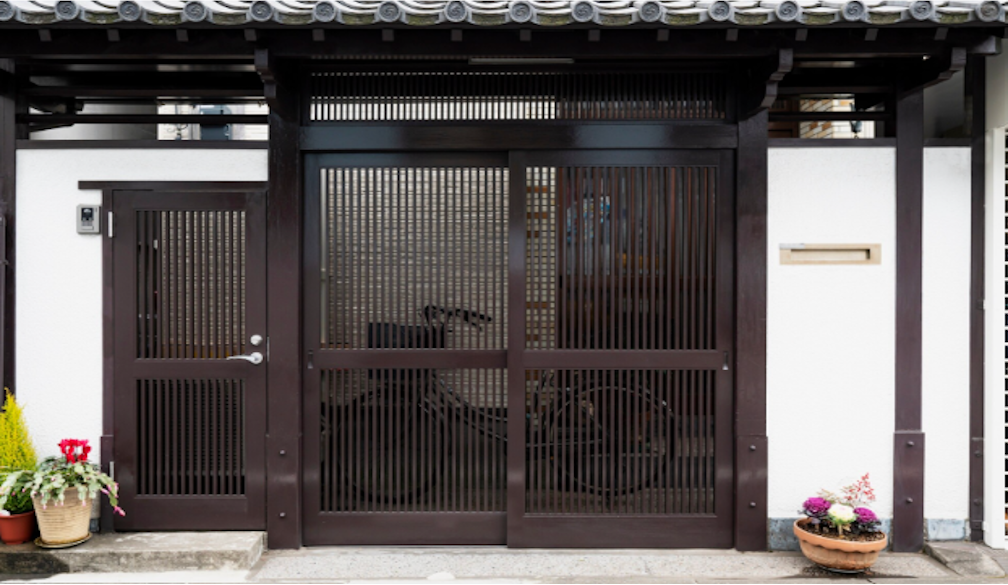
A gate often forms the first point of contact between a property and the outside world. Its presence signals privacy, protection, and a sense of order. Behind its appearance lies a network of mechanical components known collectively as gate hardware. Hinges, locks, latches, handles, stops, rollers, and tracks work together to allow a gate to move smoothly, close firmly, and resist unwanted access. Without these elements, even the most attractive gate would fail in daily use.
Gate hardware serves two primary purposes. It supports reliable operation and reinforces security. At the same time, it shapes the visual character of an entrance. The selection of each component influences how a gate feels to use and how it complements the surrounding architecture.
Design and Architectural Character
Gate hardware contributes more than mechanical strength. Its design influences how an entrance is perceived from the street. A traditional timber gate fitted with wrought iron hinges conveys a different impression from a sleek aluminium gate paired with brushed steel fittings.
Materials carry both aesthetic and practical value. Stainless steel offers resistance against corrosion and maintains a clean appearance over time. Brass develops a subtle patina that suits period properties. Wrought iron provides weight and texture that suit rural or heritage settings. Finishes such as powder coating or galvanising add protection against moisture and temperature shifts common across the UK.
The choice of material and finish affects longevity. Exposure to rain, frost, and fluctuating temperatures places pressure on metal components. Hardware that resists corrosion maintains structural strength and reduces the need for replacement. Visual harmony between the gate, hardware, and property frontage contributes to a coherent exterior presentation.
Practical Performance and Daily Use
Gate hardware must withstand repeated movement and varying loads. A gate used several times a day requires components that tolerate frequent stress. Smooth operation prevents strain on posts and frames.
Ease of handling plays a central role. A latch that closes securely without force improves user experience. Self-closing hinges assist in maintaining privacy by allowing the gate to return to a closed position automatically. Lockable mechanisms offer reassurance for households seeking controlled access.
Environmental conditions influence hardware selection. Properties located near the coast face exposure to salt in the air, which accelerates corrosion. In such settings, stainless steel or non-ferrous metals perform more reliably than untreated iron. Inland properties may experience heavy rainfall or freezing temperatures, which can affect moving parts if they are not properly protected.
Maintenance requirements should remain manageable. Well-made hardware reduces the likelihood of sticking hinges, misaligned locks, or worn components. Routine cleaning and occasional lubrication preserve performance over time.
Hinges: Supporting Movement and Stability
Hinges form the mechanical anchor of any swinging gate. Their strength determines how effectively a gate opens and closes over months and years of use. Different hinge types suit varying gate sizes and weights.
Butt hinges are compact and suited to lighter gates or internal applications. They provide straightforward movement and are often concealed within the gate structure.
T-hinges feature a horizontal strap that spreads the gate’s weight across a wider surface area. Their shape offers decorative appeal, making them suitable for timber garden gates or traditional properties.
Strap hinges extend further along the gate surface, offering enhanced support for heavier gates such as those found on farms or driveways. Their length distributes weight evenly, reducing stress on posts.
Ball bearing hinges incorporate bearings that reduce friction during movement. They are well-suited to large or heavy gates where smooth, quiet operation is required. By limiting resistance, they reduce wear on both the hinge and the gate frame.
The correct hinge selection prevents sagging, misalignment, and long-term structural strain.
Locking Systems and Access Control
Security stands at the centre of gate hardware selection. A well-chosen locking system deters intrusion and supports controlled entry.
Mortice locks are embedded within the gate structure. Their concealed design offers strength and resistance against tampering. When paired with a deadbolt, they provide a robust locking solution suitable for main entrances.
Rim locks are surface-mounted and simpler to install. They are frequently used on lighter gates where heavy-duty internal locking may not be required.
Drop bolts reinforce double gates. By securing one leaf of the gate to the ground, they stabilise the structure and add a barrier against forced entry.
Electronic locks introduce modern access control. Operated through keypads, remote transmitters, or smartphone integration, these systems allow property owners to manage entry without traditional keys. They suit residential driveways, apartment complexes, and commercial premises seeking controlled access.
The choice of lock should reflect the level of security required, the gate’s construction, and the frequency of use.
Latches and Closure Mechanisms
Latches secure a gate in its closed position when locking is not required. They provide convenience and basic security for gardens, side entrances, and internal boundaries.
Thumb latches operate through a simple lever mechanism. They allow one-handed use and suit pedestrian gates in domestic settings.
Gravity latches close automatically as the gate swings shut. Their design relies on downward force to secure the catch, making them practical for garden fencing.
Magnetic latches offer quiet and precise closure. Their clean lines align well with modern gate designs, and their concealed mechanism provides reliable holding strength.
Selecting the appropriate latch improves safety by preventing gates from swinging open unexpectedly.
Hardware for Sliding Gates
Sliding gates operate through a different mechanical system. Instead of hinges, they rely on rollers, tracks, and guides.
Rollers carry the gate’s weight and permit lateral movement. High-quality rollers reduce friction and limit noise during operation.
Tracks guide the gate along a defined path. They must withstand constant pressure and exposure to outdoor conditions.
Guides maintain alignment and prevent derailment. Accurate installation of these components supports consistent movement and minimises operational faults.
Sliding gate hardware is common in properties with limited driveway space, where a swinging gate would be impractical.
Finishing Details and Protective Accessories
Handles, stops, and protective fittings complete the hardware system. A handle provides a secure grip and contributes to the gate’s overall style. Decorative metalwork may complement heritage architecture, while minimalist handles suit contemporary properties.
Gate stops limit the range of movement and protect surrounding walls, posts, and landscaping from impact. Constructed from rubber, steel, or composite materials, they absorb force and extend the life of both gate and hardware.
These smaller components often receive less attention during planning, yet they play a decisive role in long-term durability.
Conclusion
Gate hardware forms the structural and functional core of any entrance. Each hinge, lock, latch, and accessory supports security, smooth operation, and architectural coherence. Material selection influences resilience against weather, daily wear, and environmental exposure. Careful alignment between hardware design and property style strengthens both protection and visual appeal.
A gate equipped with well-chosen hardware performs reliably over time and presents a cohesive exterior impression. Through considered selection and proper installation, gate hardware transforms a simple barrier into a secure and refined point of entry.