How to Reverse Sun Damage and Restore Moisture to Your Hair
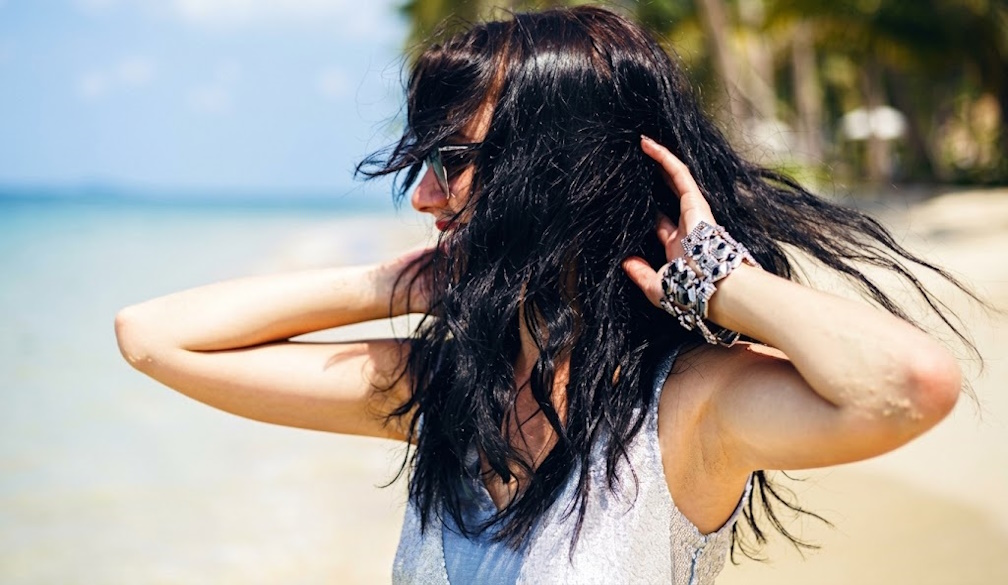
Australia's harsh summer sun takes a heavy toll on our tresses, leaving them dry, brittle, and prone to breakage. While many of us remember to apply sunscreen to our skin, we often forget that UV radiation damages our hair and scalp just as severely. If you notice persistent thinning or severe damage after a season in the sun, consulting a professional hair loss clinic in Melbourne can help identify the root cause. Sun damage strips away natural oils, weakens protein bonds, and fades colour, making your hair look lifeless. Fortunately, with the right targeted care, you can reverse this environmental damage, restore essential moisture, and revive your hair's natural vitality.
Understanding the Impact of UV Rays on Hair Structure
To repair sun-damaged hair, you must first understand what UV radiation does to your strands. Hair consists mostly of keratin, a strong protein that gives each strand its structure and elasticity. Prolonged exposure to ultraviolet rays degrades this protein matrix, leading to weakened hair shafts that split and break easily. Furthermore, the sun acts as a natural bleach, oxidising melanin—the pigment responsible for your hair colour. This process leaves your hair looking dull, brassy, and unevenly toned.
Beyond aesthetic changes, UV light strips away the hydrolipid film, a protective barrier of natural lipids that seals moisture inside the hair cuticle. When this lipid layer is compromised, the cuticle lifts, allowing internal moisture to escape rapidly. This results in highly porous, frizzy hair that struggles to retain hydration even when washed. If your scalp also suffers from sunburn, it can disrupt the hair growth cycle, sometimes leading to temporary shedding. This shedding can be alarming, but it is often a direct response to the thermal stress and UV-induced inflammation on your hair follicles. Without intervention, damaged follicles struggle to produce strong, healthy fibers, perpetuating a cycle of dullness and fragility. Taking steps to soothe this heat stress early prevents long-term structural issues.
Restoring Hydration with Deep Conditioning Treatments
Reversing sun damage requires a dedicated moisture-rehabilitation routine. Standard conditioners only work on the surface, so you must introduce deep conditioning treatments and hair masks into your weekly schedule. Look for products rich in natural lipids and proteins, such as shea butter, argan oil, and hydrolysed keratin. These ingredients penetrate the damaged cuticle, filling in the microscopic gaps caused by UV exposure and locking in vital moisture.
To maximise the benefits of your deep conditioner, apply it to damp, towel-dried hair rather than soaking wet hair. Excess water dilutes the product, preventing optimal absorption. Gently work the treatment from the mid-lengths to the ends, which suffer the most from sun exposure. For an extra boost, wrap your hair in a warm, damp towel or use a shower cap for fifteen minutes. The gentle heat opens up the hair cuticle, allowing the nourishing ingredients to penetrate deeper into the hair shaft. Finish with a cold water rinse to seal the cuticle, trapping the moisture inside and leaving your hair with a healthy, reflective shine. Repeat this intensive treatment twice a week until your hair regains its elasticity and softness. Consistent application ensures that the hair shaft remains fortified against daily environmental stressors, helping to rebuild the protein bonds that keep each strand resilient and smooth.
Scalp Care and Professional Interventions
Healthy hair starts at the root, meaning a sun-damaged scalp directly affects the quality of your hair growth. Ultraviolet radiation can dry out the scalp, causing flaking, itching, and inflammation that weakens hair follicles. Incorporating scalp-specific serums containing aloe vera, tea tree oil, or hyaluronic acid can soothe irritation and restore the scalp's natural moisture barrier. Gentle exfoliation once a week also removes dead skin cells and product buildup, promoting better blood circulation to the hair follicles.
Sometimes, environmental damage highlights underlying hair issues that require professional care. If you notice your hair parting widening or your hairline receding after a hot summer, visiting a hair loss clinic in Melbourne is an excellent step. Experts can assess your scalp health and offer advanced therapies like platelet-rich plasma or laser treatment. Interestingly, many premier clinics that address scalp health also offer specialised aesthetic procedures, such as an eyebrow transplant in Melbourne, helping individuals restore facial hair density damaged by scarring, over-plucking, or environmental factors. Taking a comprehensive approach to your scalp and hair health ensures that any damage is treated from both an aesthetic and a medical standpoint. This dual focus on scalp health and aesthetic restoration allows you to regain confidence in your overall appearance while addressing the root causes of hair thinning.
Protective Styling and Preventive Habits
While repairing existing damage is crucial, preventing future UV exposure is equally important to maintain hair health. Wearing a wide-brimmed hat is the simplest and most effective way to shield both your hair and scalp from direct sunlight. If hats are not practical, invest in a lightweight leave-in conditioner or hair mist formulated with UV filters. These products coat the hair shaft, absorbing harmful radiation before it can degrade the keratin proteins.
Additionally, modify your daily styling habits during the warmer months. Limit the use of heated styling tools like flat irons, curling wands, and blow dryers, which further dehydrate already vulnerable hair. Instead, embrace air-drying and gentle protective styles such as loose braids, buns, or twists that keep your ends tucked away from the sun. Always rinse your hair with fresh water immediately after swimming in a chlorinated pool or the ocean. Salt and chlorine act as dehydrating agents, and when combined with hot sunlight, they create a chemical reaction that severely strips moisture and damages the hair structure. By rinsing your hair beforehand with clean tap water, you saturate the hair shaft, preventing it from absorbing excessive amounts of chlorinated or salty water. This simple habit, combined with protective styling, significantly reduces the cumulative damage experienced during the outdoor season, keeping your locks soft and manageable.
Dietary Support and Internal Hydration
External treatments only solve half the puzzle; true hair recovery requires nourishing your body from within. Hair cells are some of the fastest-growing cells in the body, but because they are non-essential tissues, they are the last to receive nutrients. Increasing your daily water intake is fundamental to keeping both your skin and hair follicles hydrated. Aim for at least eight glasses of water a day, especially during hot summer periods when dehydration occurs quickly.
Incorporate nutrient-dense foods rich in omega-3 fatty acids, biotin, and vitamins A, C, and E into your diet. Salmon, walnuts, avocados, and leafy greens provide the essential building blocks for strong, resilient hair. If you find that dietary changes and topical treatments are not yielding the desired results, professional consultations can offer deeper insights. A leading hair loss clinic in Melbourne can perform blood tests to check for vitamin deficiencies contributing to your hair troubles. For those looking to address more permanent hair distribution issues, these same advanced clinics often provide solutions like an eyebrow transplant in Melbourne to restore sparse brows. Combining a nutrient-rich diet with professional expertise ensures your hair has the resources it needs to recover and thrive. Over time, this holistic approach of feeding your body the right nutrients while utilising clinical support will reflect in the strength, shine, and overall density of your hair.
Final Thoughts
Sun damage can leave your hair feeling dry, straw-like, and difficult to manage, but it does not have to be a permanent state. By understanding how UV rays affect your hair structure and implementing a dedicated recovery routine, you can restore moisture and strength to your locks. Prioritising scalp care, using deep conditioning treatments, protecting your hair from future exposure, and maintaining a nutrient-rich diet are all vital steps in this journey. For persistent hair thinning or scalp issues, do not hesitate to seek professional guidance. Whether you need advanced scalp therapies or are considering an eyebrow transplant in Melbourne, taking proactive steps today will ensure healthy, beautiful hair for years to come.