How Professional Plan Management Can Make Managing Support Funding Easier
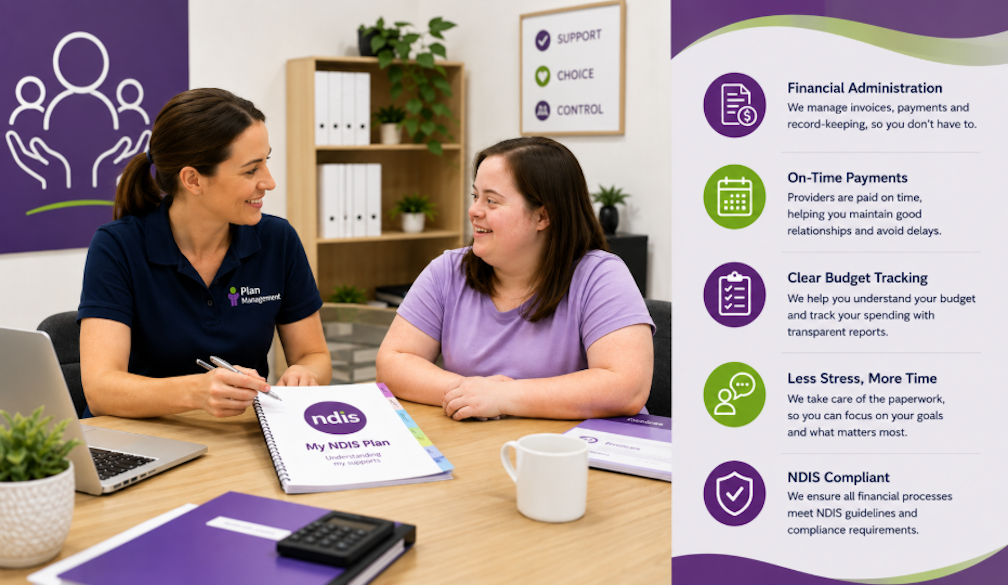
Managing support funding involves more than knowing how much money is available. Participants may need to understand funding categories, check invoices, monitor spending and ensure services align with their plan. For people using Australia’s National Disability Insurance Scheme (NDIS), professional plan management can reduce financial administration while allowing participants to retain choice and control.
A plan manager generally handles payments to providers, maintains financial records and provides information about how funding is being used. This can make the administrative side of support funding easier to navigate. Participants remain responsible for choosing their providers, approving claims and ensuring that purchases are consistent with their plan.
Reducing Administrative Pressure
Invoices, receipts and payment processes can become time-consuming, particularly when several providers are involved. A professional plan manager can process invoices, make payments and maintain relevant records on the participant’s behalf.
This can reduce repetitive paperwork and make it easier to focus on support needs and personal goals. This can be helpful when support arrangements involve several providers, categories or recurring payments. It can provide a clearer structure for financial tasks.
Keeping Track of Funding
One of the most useful aspects of professional plan management is regular visibility over spending. Plan managers can provide financial reports showing expenditure, remaining funds and whether spending appears to be progressing appropriately.
Organised information can help participants identify potential overspending or underspending earlier. It also encourages informed decisions about future supports and helps funding last across the plan period.
Maintaining Provider Choice
Plan management does not necessarily mean giving up control over support providers. Under NDIS arrangements, participants with plan-managed funding can generally choose registered or unregistered providers, subject to applicable requirements. This can offer greater flexibility while another party manages the financial administration.
Separating provider choice from payment administration can make the process more manageable. The participant can concentrate on whether a support is suitable, while the plan manager focuses on the associated financial processes.
Supporting Compliance and Accuracy
Professional plan management can also add an administrative checkpoint. Claims and invoices need to be assessed against the participant’s plan, available budgets and relevant NDIS requirements. Accurate records can help create a clearer financial trail and make it easier to identify issues that may need clarification.
However, plan management does not remove the participant’s responsibilities. Participants should continue reviewing their spending, understanding their budgets and raising concerns when something appears incorrect.
Plancare AU: A Practical Approach
Plancare AU approaches plan management as a practical financial administration service, with attention to invoices, payments, records and funding visibility. Using PlanCare can help participants understand the financial side of their supports without turning everyday funding management into an additional burden. A plan manager should be assessed through transparency, responsiveness, compliance and clear communication.
Making Funding Easier to Manage
Professional plan management can simplify several routine financial responsibilities without taking decision-making away from the participant. By handling invoices, payments, records and reporting, a plan manager can create a more organised approach to support funding.
For participants, the goal is not simply less paperwork. It is having clearer financial information, greater confidence in managing available resources and more time to concentrate on the supports and outcomes that matter most.