How to Prevent Common Beekeeping Problems
- Written by: Viw Magazine
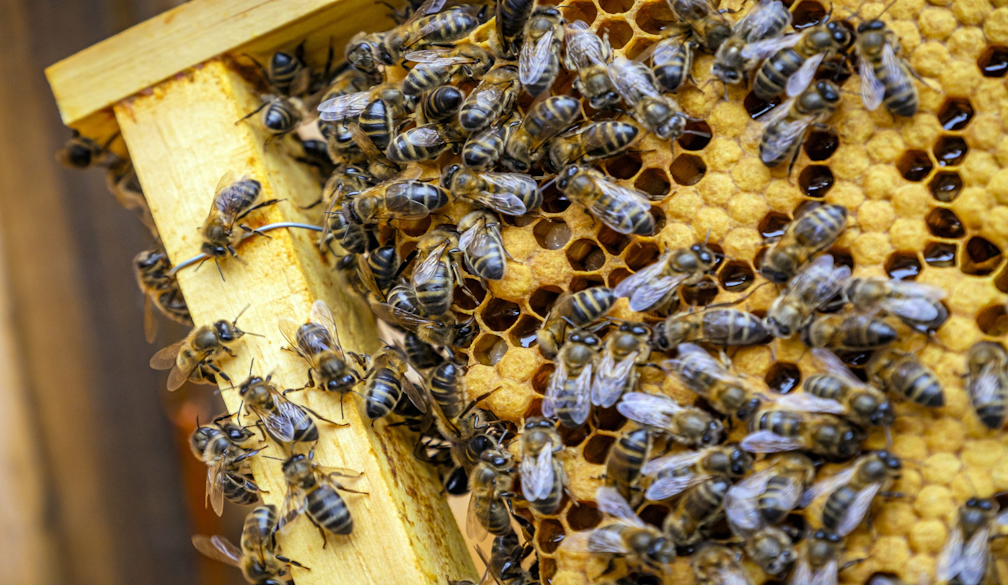
Beekeeping, also known as apiculture, is an ancient practice that has gained popularity in recent years due to its environmental importance and the production of honey and other bee products. However, like any agricultural endeavor, beekeeping comes with its own set of challenges and problems. Fortunately, many of these issues can be prevented with proper care, attention, and the right beekeeping supplies. In this guide, we'll explore some common beekeeping problems and strategies to prevent them.
- Hive Management
Proper hive management is essential for the health and productivity of your bee colony. Regular inspections of the hive can help identify potential issues before they escalate. Look for signs of disease, pests, or overcrowding during inspections. Additionally, ensure that your hives are placed in a location with adequate sunlight, shelter from strong winds, and access to water sources.
- Pest and Disease Control
Pests such as Varroa mites and diseases like American foulbrood can devastate bee colonies if left unchecked. To prevent infestations, use beekeeping supplies such as screened bottom boards, which help control mite populations, and regularly clean and disinfect hive equipment. Consider implementing integrated pest management strategies, including the use of non-chemical treatments like powdered sugar dusting or essential oil treatments.
- Adequate Nutrition
Bees require a diverse diet to stay healthy and productive. Plant a variety of flowering plants in your beekeeping area to provide bees with a continuous source of nectar and pollen throughout the seasons. Additionally, consider supplementing their diet with sugar syrup or pollen patties during times of scarcity, such as early spring or late fall, when natural forage may be limited.
- Queen Health and Replacement
The queen bee is the heart of the colony, responsible for laying eggs and maintaining the population. Regularly inspect the hive to ensure that the queen is healthy and actively laying eggs. If you notice signs of a failing queen, such as a decrease in egg production or aggression from worker bees, consider replacing her with a new queen from a reputable breeder.
- Proper Ventilation
Proper ventilation is crucial for regulating temperature and humidity levels within the hive. Ensure that your hives have adequate ventilation, such as entrance reducers and ventilation holes, to prevent moisture buildup and reduce the risk of fungal diseases like chalkbrood. Be cautious not to provide too much ventilation during colder months when maintaining warmth is essential.
- Beekeeping Supplies
Investing in high-quality beekeeping supplies can make a significant difference in preventing common problems. Essential supplies include:
- Hive boxes and frames:Provide bees with a sturdy and spacious home to build their colony.
- Protective gear: Wear a beekeeping suit, gloves, and veil to protect yourself from stings during hive inspections.
- Smoker: Use a smoker to calm bees and reduce aggression during hive manipulations.
- Bee feeders: Provide bees with supplemental food when natural forage is scarce.
- Hive tools:Use tools like hive tools and bee brushes to manipulate hive components safely.
- Queen excluders:Prevent the queen from laying eggs in honey supers, ensuring high-quality honey production.
By investing in the right beekeeping supplies and following best practices for hive management, pest control, nutrition, and queen health, you can prevent common beekeeping problems and maintain healthy, productive colonies. Remember to stay informed about the latest research and techniques in beekeeping to adapt to new challenges as they arise. Happy beekeeping!