Why Commercial Construction Companies Melbourne Drive Large-Scale Project Success
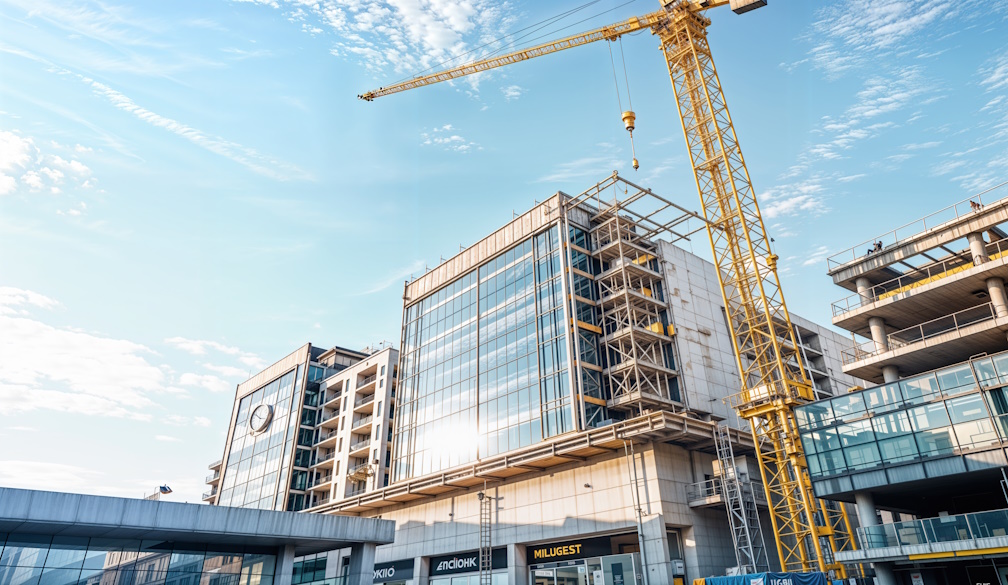
Across office developments, industrial facilities, and mixed-use buildings, commercial construction companies Melbourne play a critical role in delivering complex projects safely, efficiently, and to specification. Commercial construction involves far more than assembling structures. It requires coordinated planning, engineering expertise, regulatory compliance, and precise execution across multiple disciplines. Experienced construction companies bring these elements together to ensure projects progress smoothly from concept to completion.
Melbourne’s commercial building sector is diverse and highly regulated. Projects often involve tight timelines, budget constraints, and challenging site conditions. Professional commercial construction companies manage these variables while maintaining quality, safety, and long-term performance standards that protect the value of the finished development.
Managing Complexity in Commercial Builds
Commercial construction projects are inherently complex. They involve multiple stakeholders, including developers, engineers, architects, and regulatory authorities. Coordinating these parties requires clear communication and structured project management.
Experienced construction companies establish workflows that align design intent with practical construction methods. This coordination reduces delays, minimises errors, and ensures that each stage of the build supports the overall project objectives.
Delivering Projects Across Diverse Sectors
Commercial construction spans a wide range of sectors, including offices, retail centres, warehouses, healthcare facilities, and educational buildings. Each sector has unique functional and regulatory requirements.
Construction companies adapt their approach based on building use. Understanding these requirements ensures that completed structures meet operational needs while remaining compliant with relevant standards.
Ensuring Structural Integrity and Safety
Safety and structural performance are paramount in commercial construction. Buildings must support heavy loads, high occupancy, and long-term use without compromising safety.
Professional construction companies follow strict engineering guidelines and safety protocols throughout the build process. Proper foundation systems, structural elements, and materials are selected to ensure durability and compliance with building codes.
Navigating Planning and Regulatory Requirements
Commercial projects must comply with local planning regulations, building codes, and safety standards. Navigating these requirements can be complex, especially in densely developed areas.
Construction companies manage approvals, inspections, and compliance documentation. This expertise reduces the risk of delays or penalties and ensures projects meet regulatory expectations from start to finish.
Efficient Project Scheduling and Time Management
Time management is critical in commercial construction. Delays can lead to increased costs, contractual issues, and missed business opportunities.
Construction companies develop detailed schedules that coordinate labour, materials, and subcontractors. Efficient sequencing ensures that work progresses logically and reduces downtime between stages.
Budget Control and Cost Management
Commercial construction involves significant financial investment. Managing costs while maintaining quality requires careful planning and ongoing oversight.
Construction companies monitor budgets throughout the project lifecycle. By forecasting expenses and addressing issues early, they help prevent cost overruns and protect the financial viability of the project.
Adapting to Site Conditions and Constraints
Every construction site presents unique challenges. Limited access, existing structures, ground conditions, and surrounding infrastructure all influence how a project is delivered.
Experienced construction companies assess these factors early and adapt construction methods accordingly. This proactive approach reduces risk and ensures safe execution in constrained environments.
Coordination of Trades and Subcontractors
Commercial construction relies on multiple specialised trades working together. Electrical, mechanical, plumbing, and structural teams must coordinate closely to avoid conflicts.
Construction companies manage this coordination, ensuring each trade works efficiently within the overall project schedule. Clear communication reduces rework and supports smoother progress.
Quality Assurance and Workmanship Standards
Quality control is essential for long-term building performance. Commercial construction companies implement inspection and testing processes to ensure workmanship meets required standards.
Consistent quality assurance helps identify issues early and prevents defects from affecting later stages of construction. This focus on quality supports durability and client satisfaction.
Incorporating Sustainability and Efficiency
Sustainable construction practices are increasingly important in commercial projects. Energy efficiency, material selection, and waste reduction all influence building performance.
Construction companies integrate sustainable practices into project planning and execution. These measures reduce environmental impact and support long-term operational efficiency for building owners.
Supporting Long-Term Building Performance
Commercial buildings must perform reliably over decades of use. Construction companies consider long-term factors such as maintenance access, material durability, and system integration.
By planning for longevity, they help ensure that buildings remain functional and cost-effective throughout their lifecycle.
Reducing Risk Through Experience and Planning
Commercial construction involves inherent risks related to safety, compliance, and project delivery. Experienced companies mitigate these risks through planning, expertise, and proven processes.
Risk management strategies protect workers, stakeholders, and the project itself. This proactive approach supports predictable outcomes and successful project completion.
Enhancing Investor and Stakeholder Confidence
Well-managed construction projects build confidence among investors, tenants, and stakeholders. Professional execution demonstrates reliability and commitment to quality.
Commercial construction companies contribute to this confidence by delivering projects that meet expectations in terms of performance, safety, and design.
A Foundation for Melbourne’s Commercial Growth
Commercial construction companies in Melbourne play a vital role in shaping the city’s built environment. Their expertise supports the development of functional, safe, and durable commercial spaces.
By managing complexity, ensuring compliance, and delivering quality outcomes, these companies enable businesses and communities to grow. For large-scale projects that demand precision and reliability, professional commercial construction remains essential.