How Pallet Racking Drives Efficiency and Profitability
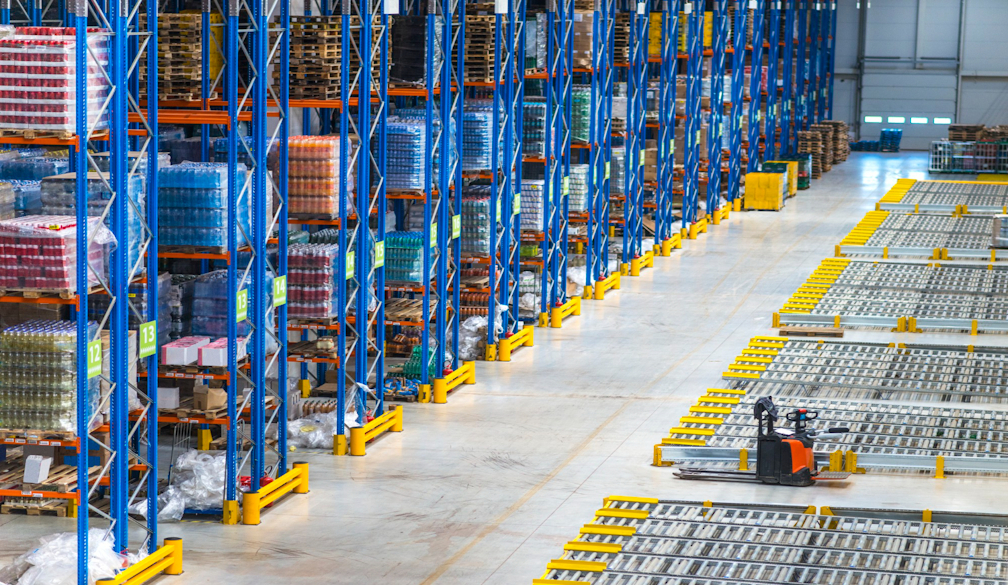
It’s no secret that warehouse efficiency has a direct impact on operating costs and overall profitability. From maximising floor space to improving picking accuracy, the right racking setup influences how smoothly a warehouse runs each day, and knowing how pallet racking affects workflow can help decision makers align storage infrastructure with commercial goals. This article will explain how pallet racking plays a central role in shaping efficient storage environments and stronger financial outcomes.
Maximising Warehouse Space and Storage Density
One of the clearest advantages of pallet racking is its ability to make better use of available space. By storing goods vertically rather than relying solely on floor storage, warehouses can increase capacity without expanding their footprint. This is particularly valuable in facilities where space is limited or property costs are high. Well planned racking layouts also allow aisles to be sized appropriately for equipment, reducing wasted areas. Higher storage density means more inventory can be held on site, which can reduce the need for off-site storage and additional handling. Over time, these efficiencies translate into lower operating costs and better use of existing assets.
Improving Workflow and Handling Efficiency
Efficient movement of goods is essential for productivity. Pallet racking systems create clear storage locations that make it easier for forklift operators and pickers to locate and retrieve stock. When items are stored consistently, travel time between picks is reduced and errors are less likely. This improves order accuracy and helps meet delivery timeframes. A logical racking layout also reduces congestion in high traffic areas, allowing staff to work more efficiently. As throughput increases, labour resources can be used more effectively, which contributes to better margins without increasing headcount.
Reducing Damage and Inventory Loss
Poor storage practices often lead to damaged goods and stock losses. Pallet racking provides structured storage that keeps products off the floor and properly supported, reducing the risk of pallets collapsing or being struck during handling. Clear load ratings and designated pallet positions help ensure weight limits are respected, improving safety for both staff and inventory. Fewer damaged goods mean less write off and rework, which directly affects profitability. Over time, consistent storage practices also make stocktaking more accurate, improving inventory control and reducing discrepancies.
Adapting to Business Growth and Change
As businesses grow, storage requirements often change. Pallet racking systems can be adapted to suit higher volumes or different pallet sizes, with adjustable beam levels and modular designs allowing layouts to evolve without replacing the entire system. This flexibility helps businesses respond to market demand while controlling capital expenditure. Investing in scalable racking infrastructure means warehouses can remain efficient as operations expand rather than becoming constrained by outdated layouts.
Conclusion
Well-designed pallet racking improves space utilisation and inventory control, helping to improve profitability. By enabling efficient storage and handling, racking systems can help warehouses operate more smoothly and adapt better to growth. Understanding this connection allows businesses to view racking as a strategic investment rather than a simple storage expense.