Apartment Buyers Beware – Know Your Building Classification and Codes or Risk Big Fines
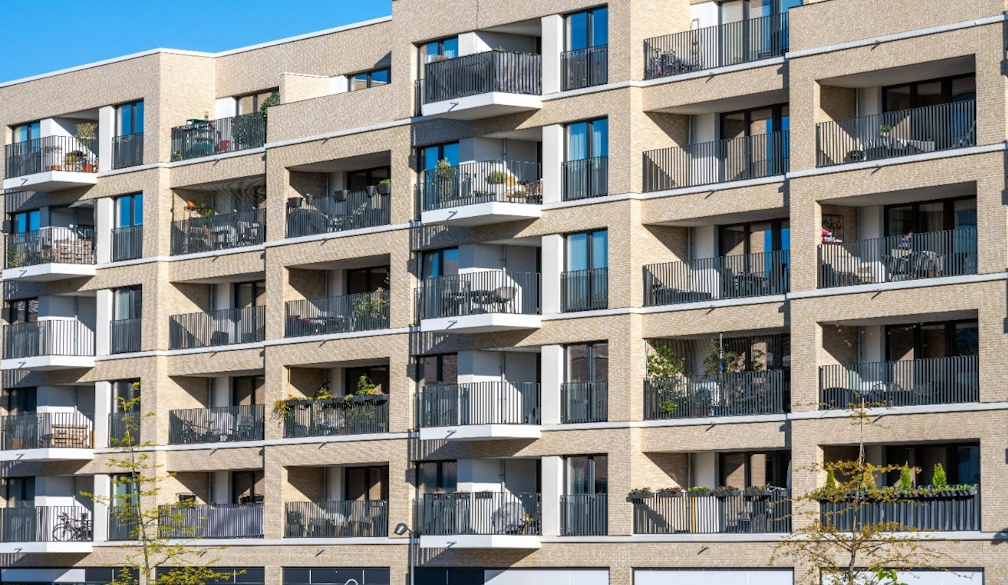
If you’re looking into buying a new apartment, you need to understand what classifications and codes apply to your potential new property. You could be risking paying expensive body corporate fees, or extensive repairs and maintenance costs if the building has any significant issues. There’s a lot to consider, but there are places you can go for help including pre-purchase property inspectors.
What Classification is an Apartment?
In Australia, apartment buildings are classified as Class 2. Typically, they’ll be multi-unit, where people can live above, below or next to each other. An apartment is a sole-occupancy unit within the apartment building.
Why Is It Important to Know What Classification Your New Apartment Is?
There are a number of reasons why you should know what classification your potential new apartment is before you drop a whole lot of money on it. The best thing you can do as a potential property owner is to hire a building certifier and a building inspector who could provide you with a detailed report on any issues that may arise down the track.
Safety
It is important to understand that the classification can dictate specific requirements for safety and structural integrity, as well as accessibility based on the purpose of the building and its occupancy. Building classifications are based on the building’s purpose and any risks that may exist, so safety measures and requirements differ significantly depending on the classification.
A Class 2 building is required to have specific smoke detectors as well as fire isolated stairwells. They also require specific escape routes, and need to comply with the safety, structural and health standards set by the National Construction Code and the Building Code of Australia. Your building inspector can help you determine if your new apartment aligns with this.
Insurance and Maintenance
Building classifications can impact the costs and requirements for both the apartment building, and the contents of your apartment. It can factor in determining the costs of any Class 2 building maintenance you may need to carry out, particularly if you require roof access. Maintenance can be anything from window cleaning to roof repairs or high rise concrete repairs, which can end up on the pricier side of things. Apartment buildings also often have shared facilities which require regular maintenance, and these can significantly increase fees and costs. Knowing the classification can give you a better idea of the potential costs for renovations, as well as any development in common areas, as these may require a vote from the body corporate.