Furnishing for Families Without Losing Style
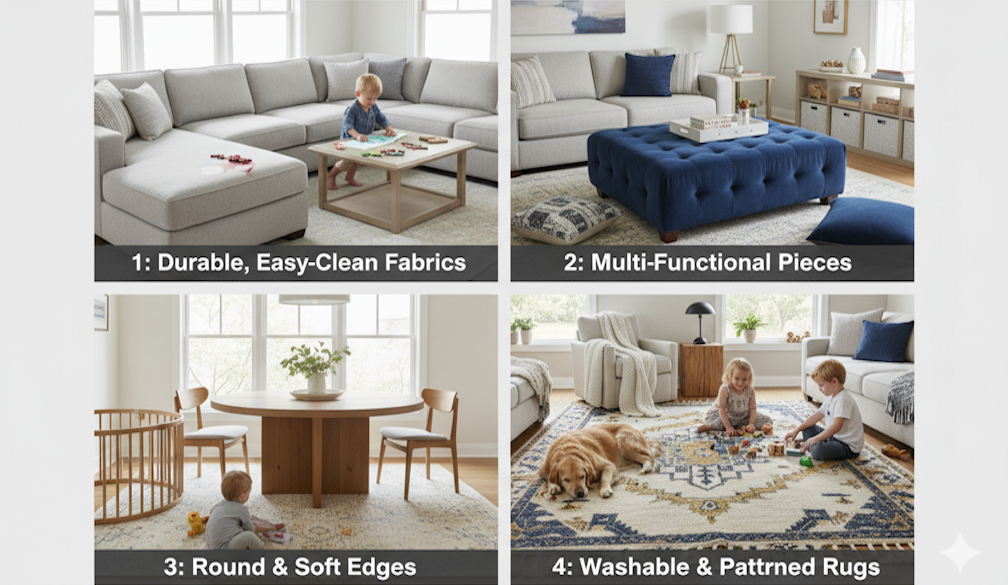
Designing a family home can feel like a constant negotiation between practicality and aesthetics. On one hand, you want rooms that can handle the daily reality of snacks, school bags, toy sprawl, homework sessions, muddy feet, and the occasional mystery stain. On the other, you still want your home to feel considered, welcoming, and reflective of your personal taste. The good news is that family-friendly furnishing does not have to mean giving up on style. In fact, some of the most beautiful homes are the ones designed to be lived in properly.
A stylish family home is not one that looks untouchable. It is one that feels calm, cohesive, and adaptable while still standing up to the rhythms of everyday life. Choosing the right pieces, materials, and layout can help you create spaces that work hard without looking overly practical or stripped of personality. Even key furniture choices, such as dining tables with 6 seats, can set the tone for a home that balances family function with visual appeal, offering enough room for meals, craft projects, and casual catch-ups without dominating the room.
Start With the Way Your Family Actually Lives
One of the biggest mistakes people make when furnishing for family life is designing around an ideal rather than reality. It is easy to imagine pristine living rooms, quiet corners, and perfectly styled surfaces, but homes feel better when they are built around genuine habits.
Think about how your household uses each room. Does the dining area double as a homework station? Is the living room where everyone gathers at the end of the day? Do kids play nearby while adults cook? When you understand how spaces are truly used, it becomes much easier to choose furnishings that support that flow.
This approach does not reduce style. It sharpens it. Instead of filling a room with pieces that look good but frustrate everyday life, you create a space that feels effortless and intentional.
Choose Durable Materials That Still Feel Elevated
Family homes need durability, but that does not mean every surface has to look purely utilitarian. There are plenty of materials that are both resilient and refined, and choosing them well can make all the difference.
Performance fabrics are one of the best examples. Sofas and upholstered dining chairs can now be found in hard-wearing fabrics that resist spills and wear while still looking soft, textured, and sophisticated. Rather than defaulting to something that feels clinical, you can opt for warm neutrals, subtle weaves, and forgiving finishes that complement the broader palette of your home.
Timber is another strong choice for family spaces. It brings warmth, softness, and character while ageing gracefully over time. Minor marks and wear often add to its appeal rather than detract from it, particularly when you choose finishes that embrace natural texture. Matte and low-sheen surfaces can also be more forgiving than highly polished ones, which tend to highlight every fingerprint and scratch.
The key is to look for materials that can absorb life without instantly looking tired.
Prioritise Shape and Scale, Not Just Appearance
In family homes, furnishing choices need to work spatially as well as visually. Oversized furniture in a tight room can make movement difficult, while delicate pieces in high-traffic areas can create unnecessary tension.
A well-furnished family home often relies on softer edges, thoughtful proportions, and layouts that leave room to move. Rounded corners on coffee tables, dining tables, and side furniture can make a big difference in homes with young children, but they also tend to create a gentler, more modern look overall. Pieces with solid presence but simple lines can anchor a room without making it feel heavy.
Scale matters just as much. A sofa that is deep enough for family movie nights but not so bulky that it overwhelms the room strikes the right balance. A dining table should comfortably support both everyday meals and occasional guests, while still allowing space around it for chairs to move and people to circulate easily.
When scale is right, rooms feel calmer. That sense of ease is often what people identify as style.
Let Storage Be Part of the Design
Family homes need storage, but that does not mean every solution has to look overtly functional. Good storage can blend into the design of a room and support a cleaner, more polished feel.
Instead of relying only on visible baskets and bins, think about furniture that quietly carries part of the load. Sideboards, entertainment units, console tables with drawers, benches with hidden compartments, and closed shelving can all help manage clutter while keeping the room visually tidy. The goal is not to hide family life completely, but to avoid having every practical item permanently on display.
Stylish homes often feel composed because there is a place for the visual noise to go. Remote controls, school papers, chargers, toys, placemats, and all the other everyday bits can quickly chip away at a room’s atmosphere when they are left exposed all the time.
When storage is built into the furnishing plan from the start, the home feels less reactive and more resolved.
Create Zones Within Shared Spaces
Many family homes rely on open-plan living, which can be brilliant for connection but challenging when it comes to furnishing. A single large room often needs to support cooking, dining, relaxing, studying, and entertaining, sometimes all at once.
The answer is not necessarily more furniture. It is better zoning.
Rugs can help define living areas. Lighting can distinguish a dining zone from a lounge zone. Furniture placement can subtly guide movement and signal what happens where. A console behind a sofa, for example, can help break up a room while adding both function and visual structure. A sideboard near the dining space can reinforce that zone while offering useful storage.
Zoning helps family homes feel organised without becoming rigid. It allows shared spaces to work harder while still looking elegant and intentional.
Do Not Be Afraid of Colour and Texture
There is sometimes a temptation in family homes to keep everything plain in the hope that it will feel safer or easier to maintain. But a home that is too flat can end up feeling lifeless. Style often comes from layering materials, tones, and textures in a way that feels warm and natural.
That does not mean going overboard. It means using texture to create depth and choosing colours that can absorb the everyday mess of life more gracefully. Mid tones, earthy hues, olive greens, warm greys, rust, camel, and muted blues can all work beautifully in family settings. They bring richness without making a room feel too formal or too precious.
Texture is equally important. Timber, linen-look upholstery, wool rugs, ceramics, woven elements, and matte finishes all add dimension. In a family home, these layers can help a space feel styled and inviting even when it is not perfectly spotless.
A room does not need to be pristine to be beautiful. It needs enough visual warmth to still feel good when life is happening inside it.
Invest in Anchor Pieces, Then Keep the Rest Flexible
When furnishing for families, it makes sense to invest in the pieces that do the most work. Usually, these are the sofa, dining table, dining chairs, beds, and major storage items. These pieces shape the room and tend to stay in use for years, so they are worth choosing carefully.
Anchor pieces should be timeless enough to grow with your family and versatile enough to handle changing needs. A well-made dining table can host toddler meals, school projects, teen chats, and dinner parties across many years. A quality sofa can support everything from naps to guests to weekend sprawl.
Once those major pieces are in place, you can bring in flexibility through smaller items. Cushions, occasional chairs, side tables, lighting, and styling details can evolve more easily over time. This is often the smartest way to keep a family home feeling stylish without needing to replace everything as your household changes.
Make Comfort Part of the Style Story
One of the most overlooked parts of stylish family furnishing is comfort. Sometimes people equate style with restraint, but the homes that really work are usually the ones that feel inviting as soon as you walk in.
Comfort shows up in generous seating, practical layouts, soft textiles, supportive dining chairs, and spaces that encourage people to gather. It also shows up in the emotional tone of a room. A home that feels too precious can make everyone slightly tense. A home that is comfortable in both look and function creates a different kind of luxury.
That lived-in ease is often what makes a home memorable. It feels beautiful not just because of how it looks, but because of how well it supports the people inside it.
Keep Styling Simple and Intentional
Family life naturally brings movement and visual activity into the home, so styling works best when it is restrained rather than overcrowded. A few thoughtful objects will usually have far more impact than lots of small decorative items competing for attention.
Choose pieces that add personality without making surfaces harder to use. A sculptural bowl on the dining table, a stack of books on a console, a lamp with texture, or a ceramic vase with seasonal greenery can all add character while still allowing the room to function. Wall art can also do a lot of heavy lifting, bringing polish and identity without taking up practical space.
This approach helps a home feel styled but not staged. That distinction matters in a family setting. You want the space to feel considered, not fragile.
Embrace a Home That Evolves
Family homes are not static. Needs change as children grow, routines shift, and rooms take on new purposes. Furnishing with that in mind can help you make decisions that feel less pressured and more sustainable.
Rather than aiming for a finished, fixed version of style, it is often better to create a strong foundation and allow the home to evolve naturally. That might mean choosing versatile furniture, leaving room for layout changes, or accepting that some pieces will need to serve more than one role over time.
Style does not disappear when a home adapts. Often, it becomes more authentic. The most compelling interiors are rarely the ones that look frozen in time. They are the ones that reflect real life, thoughtfully and beautifully.
Ready to get started?
Furnishing for families without losing style is really about letting practicality and beauty work together instead of treating them as opposites. A home can be robust, welcoming, comfortable, and still feel refined. It can support noise, mess, movement, and change while remaining cohesive and visually appealing.
The trick is not to chase perfection. It is to choose furnishings that suit the way your family lives, invest in pieces that balance form and function, and build rooms that feel as good to use as they do to look at. When that balance is right, a family home does not just survive daily life. It becomes richer because of it.