Why Your Kitchen Smells Bad Even After Cleaning (And What’s Causing It)
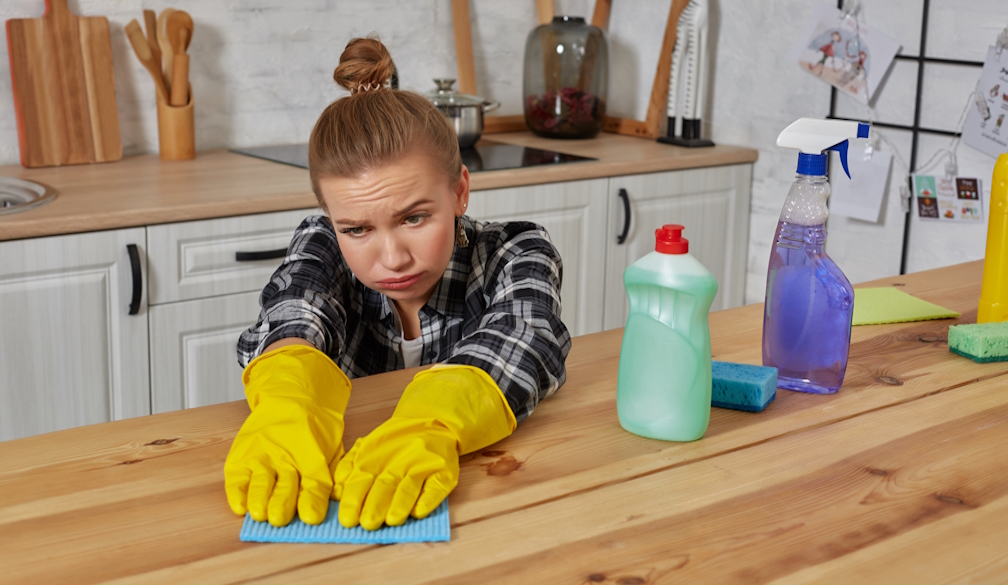
You’ve wiped the benches, taken the bins out, scrubbed the sink… and somehow, the smell is still there.
It’s one of the most frustrating things about a kitchen. Everything looks clean, but something still feels off.
The reason? Most kitchen odours don’t come from the obvious places. They come from hidden build-up—areas you don’t usually think to check. In more persistent cases, especially in busy kitchens, this can even relate to deeper issues that require solutions like TDG Environmental Grease Trap Pump Outs to fully resolve the problem.
The good news is that once you understand where the smell is really coming from, it becomes much easier to fix.
The Problem With Surface Cleaning
Most cleaning routines focus on what you can see.
Benchtops, stovetops, floors—these are all important, but they’re rarely the source of lingering smells.
Why odours stick around
- Grease and food particles build up in hidden areas
- Moisture creates the perfect environment for bacteria
- Airflow spreads smells from one spot to another
If you’re only cleaning the surface, you’re only solving part of the problem.
The Sink Drain: The Usual Suspect
If there’s one place that consistently causes bad smells, it’s the sink drain.
What builds up over time
- Food scraps
- Grease and oil
- Soap residue
These combine to create a thick, slow-moving build-up that traps odours.
How to fix it
- Flush with hot water regularly
- Use a mix of baking soda and vinegar
- Avoid pouring oils and fats down the sink
A clean drain makes a noticeable difference.
Grease Build-Up You Can’t See
Even if you’re careful, grease has a way of accumulating in places you don’t notice.
Where it hides
- Inside pipes
- Under appliances
- Around splashbacks and edges
Why it smells
Grease traps food particles and slowly breaks down, creating strong odours over time.
What helps
- Wipe surfaces immediately after cooking
- Use degreasers on problem areas
- Periodically clean behind and under appliances
It’s not just about cleaning—it’s about removing what builds up over time.
The Bin Isn’t Always the Issue
Taking the rubbish out is usually the first step—but the bin itself can still cause problems.
Common mistakes
- Not cleaning the bin interior
- Letting liquids collect at the bottom
- Using thin liners that leak
A simple fix
- Wash the bin regularly with disinfectant
- Dry it completely before use
- Consider using thicker or double liners
Even a clean kitchen can smell if the bin is overlooked.
Sponges and Cleaning Cloths
Ironically, the tools you use to clean can be part of the problem.
Why they smell
- They stay damp for long periods
- They trap food particles and bacteria
- They’re often reused too many times
What to do
- Replace them regularly
- Let them dry completely between uses
- Sanitise them frequently
A fresh sponge can instantly improve the smell of your kitchen.
Hidden Moisture Around Appliances
Moisture is one of the biggest contributors to bad smells.
And it often hides in places you don’t check.
Common areas
- Under the fridge
- Around the dishwasher
- Behind the sink
Why it matters
Moisture encourages mould and bacteria, which produce strong, unpleasant odours.
How to prevent it
- Check for leaks regularly
- Keep areas dry and ventilated
- Clean spots that don’t get regular attention
Small checks can prevent bigger issues.
The Fridge Factor
Even if your fridge looks clean, it can still be the source of odours.
What causes it
- Expired or forgotten food
- Spills that weren’t fully cleaned
- Poor airflow inside the fridge
How to fix it
- Do a regular clear-out
- Wipe shelves and drawers thoroughly
- Keep food sealed properly
A clean fridge helps maintain a fresh overall environment.
Airflow Makes a Difference
Sometimes the issue isn’t the source—it’s how the smell moves.
What affects airflow
- Poor ventilation
- Closed spaces trapping odours
- Lack of air circulation
Simple improvements
- Open windows when possible
- Use an exhaust fan while cooking
- Keep air moving through the space
Better airflow helps remove lingering smells faster.
A Simple Way to Stay Ahead of It
You don’t need a complex routine to keep your kitchen fresh.
Focus on the areas that actually cause odours.
Key habits to adopt
- Clean beyond visible surfaces
- Deal with grease and food waste quickly
- Keep moisture under control
- Check hidden areas regularly
Consistency matters more than intensity.
If your kitchen still smells after cleaning, it’s not because you’ve missed something obvious.
It’s because the real cause is often hidden—build-up, moisture, or areas that don’t get regular attention.
Once you start targeting those spots, the difference is immediate.
And instead of wondering where the smell is coming from, you’ll know exactly how to stop it.
 "Pin It")