Vehicle Theft, Insurance and Recovery: What Australian Drivers Should Know About GPS Tracking
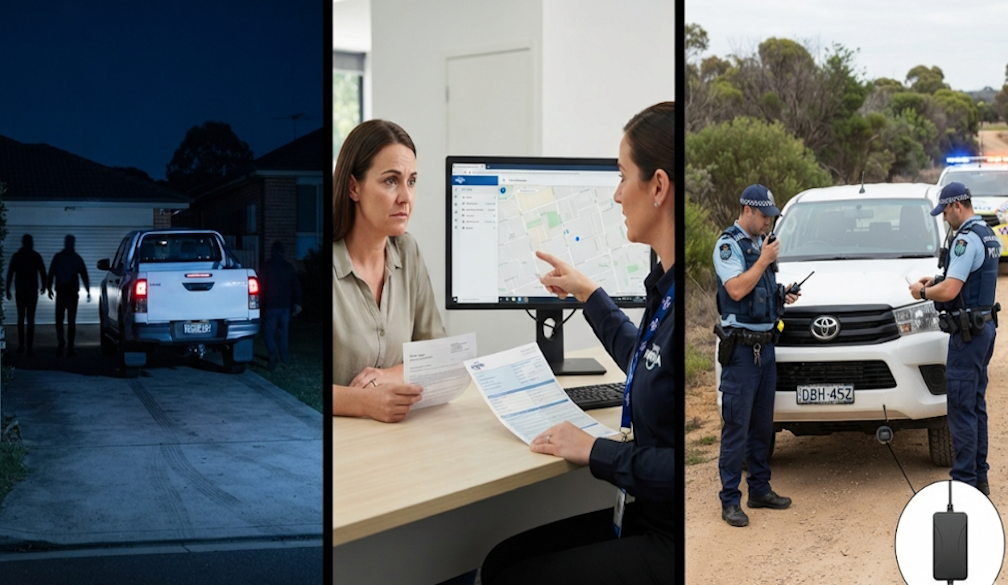
Discovering that a vehicle has been stolen is disorienting. The first priorities are personal safety, contacting police and notifying the insurer. In the hours that follow, accurate information can become extremely valuable—but only if the owner already has sensible security layers in place.
A GPS tracker can add location awareness and movement alerts to those layers. It is not a guarantee of recovery, a replacement for insurance or permission to confront a suspected thief. Used responsibly, it can help an owner notice unexpected activity sooner and provide useful information to the authorities.
Security works best in layers
No single device can remove vehicle-theft risk. A practical strategy combines habits, physical deterrents, financial protection and technology.
Drivers should lock the vehicle, control spare keys and avoid leaving valuable items visible. Secure parking, steering locks and immobilisers may create additional barriers. Comprehensive insurance can reduce the financial impact when prevention fails. A tracker adds a different capability: awareness of movement and a record of recent location.
The layers should complement one another. A location marker is less useful if account access is weak, alerts are disabled or nobody knows how to respond. Owners should configure and test the system before an emergency occurs.
Understand what “live” tracking means
A vehicle tracker normally determines position from satellite signals and sends that information through a mobile network. The mobile or web app then displays the most recent record.
Updates may be frequent, but “live” does not mean perfectly continuous. Tunnels, covered structures, power loss and mobile-network gaps can affect when the next position appears. A responsible provider should explain the expected update interval and what the system displays when it has not received a recent message.
People comparing GPS trackers for Australian vehicles should look beyond the map. Trip playback, power-loss alerts, geofences, account security, network choice and support can all influence how useful the system is during an unexpected event.
Plug-in and hardwired devices serve different needs
An OBD-II tracker connects to the diagnostic port found in most modern vehicles. It can be installed quickly without wiring and can be moved between compatible cars. This convenience suits many private drivers and small businesses.
Because the port is accessible, a plug-in device may also be easier to find or remove. Some units include a small backup battery and can notify the user when power is interrupted, but owners should understand the limits of that backup.
A hardwired tracker is fitted behind the dashboard or elsewhere within the vehicle. It is generally more discreet and difficult to remove casually. Professional installation may be appropriate to ensure safe wiring and dependable operation.
The best choice depends on the vehicle, the risk level and whether portability or concealment matters more. A clear guide to choosing an OBD GPS tracker can help drivers compare installation, network service, alerts and ongoing costs before committing.
Configure alerts that lead to action
An alert is only useful if the recipient knows what it means and what to do next. Common options include movement after a set time, vibration, ignition changes, power disconnection and entry or exit from a defined area.
Owners should avoid enabling every possible notification. Too many low-value alerts create fatigue and can cause an important message to be overlooked. Start with events that clearly require attention, such as movement from a home geofence overnight or disconnection of vehicle power.
After configuration, test the alert path. Confirm that the correct phone receives the notification, the account can be accessed and another trusted person knows the process if the primary user is unavailable.
If a vehicle is missing, put safety first
If theft is suspected, contact police and follow their instructions. Do not travel to the displayed location or attempt to recover the vehicle personally. A map cannot show who is present, whether the vehicle is moving or what other risks exist at the location.
Provide police with the registration, vehicle description, time last seen and any tracker information they request. Preserve screenshots or trip records without changing settings unnecessarily. Notify the insurer promptly and follow the policy's claims procedure.
The tracker data may assist an investigation, but it should be described accurately. Note the timestamp of the last update and avoid presenting an old position as current. Authorities are best placed to decide how the information should be used.
Protect the tracking account
A stolen vehicle should not be followed by an exposed location account. Use a unique password and enable multi-factor authentication when available. Do not share the main login casually, and remove old user accounts when access is no longer required.
Businesses should assign individual accounts and appropriate permissions. A dispatcher may need broad fleet visibility, while another worker may need access only to an assigned vehicle. Clear access rules make the system easier to audit.
Location data can reveal routines and addresses, so retention and sharing should be limited to legitimate purposes. Employers must also consider applicable workplace and privacy obligations before tracking vehicles used by staff.
Review the whole cost
The cheapest device is not always the lowest-cost solution. Buyers should consider the hardware, mobile data, app access, support, installation and renewal structure. They should also check whether the selected mobile network suits the areas in which the vehicle travels.
Transparent pricing makes comparison easier. Ask whether the SIM is included, what happens at the end of the plan and whether important features require additional fees. A system that is affordable but unsupported may provide little value when an urgent question arises.
GPS tracking is most effective as a prepared, well-understood security layer. Choose hardware that suits the risk, protect the account, configure meaningful alerts and agree on a safe response before it is needed. The aim is not to chase a vehicle on a screen. It is to give the right people better information at a difficult moment.