How Businesses Plan Storage Before They Run Out of Space
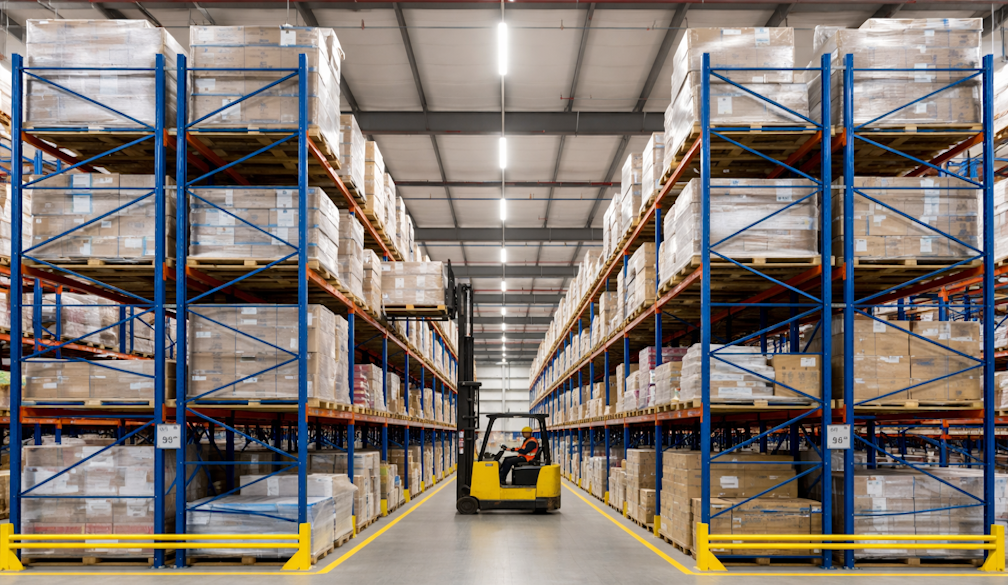
Running out of storage space rarely happens overnight. In most cases, it’s the result of gradual growth, shifting inventory patterns, or changes in how a business operates. The challenge for many organisations is recognising the warning signs early enough to act strategically rather than reactively.
Businesses that plan ahead often avoid disruption, rushed decisions, and unnecessary costs. Instead, they approach storage as a system that evolves alongside operations.
Recognising the Early Warning Signs
Crowded aisles, temporary storage areas, and difficulty locating stock are often the first indicators that space is being stretched. When pallets start sitting in walkways or staff spend more time moving items than processing them, efficiency begins to drop.
Forward-thinking businesses track these signals closely. Rather than waiting until capacity is exceeded, they use these moments to review how space is being used and where improvements can be made.
Understanding Inventory Behaviour
Effective storage planning starts with understanding inventory flow. Not all stock moves at the same speed, and not all items require the same access. Businesses that analyse turnover rates, seasonal demand, and picking frequency are better positioned to design layouts that support daily operations.
This insight often leads to changes in how goods are grouped, accessed, and replenished, allowing existing space to work harder without expanding the footprint.
Designing for Growth, Not Just Today
One common mistake is designing storage solely around current needs. Businesses that plan ahead consider where growth is likely to occur and how storage systems can adapt over time. Adjustable and modular solutions allow layouts to change without major disruption as inventory volumes increase or product lines evolve.
For organisations researching options like pallet racking colby, the focus is often on flexibility — choosing systems that can be reconfigured as storage demands shift rather than locking into a fixed layout.
Balancing Density and Accessibility
Maximising storage density is important, but not at the expense of accessibility. Overly dense layouts can slow down picking, increase handling time, and raise safety risks. Smart planning finds a balance between storing more and moving efficiently.
This balance often involves reviewing aisle widths, rack heights, and load configurations to ensure staff can work safely and productively.
Using Data to Guide Decisions
Modern storage planning relies heavily on data. Warehouse management systems, inventory reports, and workflow analysis provide insight into how space is used in practice — not just how it appears on paper.
Businesses that use this data can test scenarios, forecast capacity limits, and plan upgrades before space becomes a constraint.
Planning Beyond Physical Storage
Storage planning isn’t limited to shelving and racking. It also includes inbound and outbound processes, staging areas, and how goods move through a facility. Improving flow can often free up space without adding new infrastructure.
This holistic approach helps businesses maintain control as operations scale.
Staying Ahead of Space Constraints
The most effective storage strategies are proactive rather than reactive. By monitoring usage, understanding inventory behaviour, and choosing adaptable systems, businesses can grow without constant disruption.
Planning storage before space runs out allows operations to remain efficient, safe, and responsive — turning storage from a limitation into a support system for long-term growth.