Why Ecommerce Web Design Is The Backbone Of Successful Online Businesses
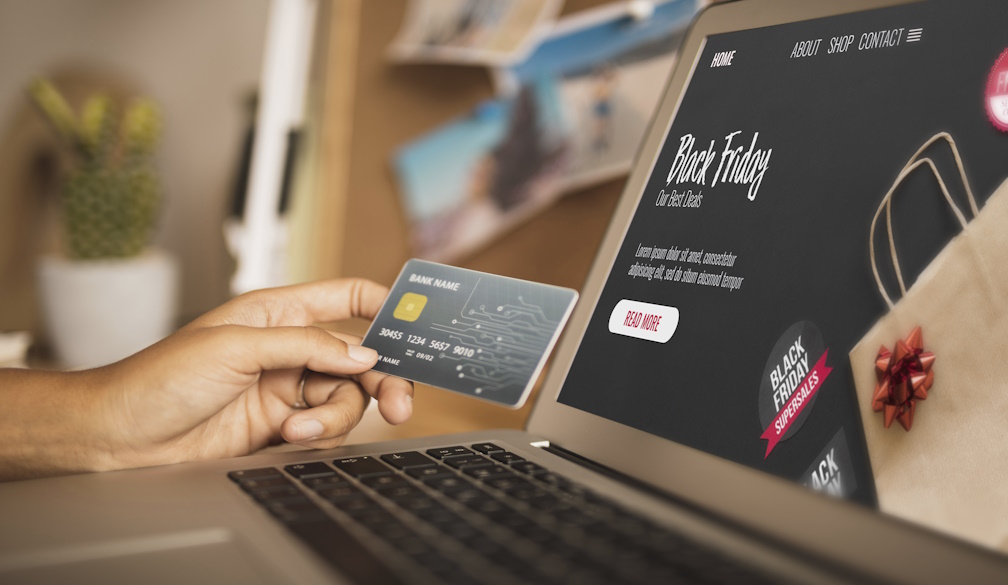
In the digital marketplace, your website is often the first interaction customers have with your brand. A well-executed eCommerce web design acts as the storefront, salesperson, and customer service representative all at once. It shapes how users perceive your business and determines whether they stay to explore or leave within seconds.
A strong eCommerce website design goes beyond visual appeal. It blends creativity with functionality, ensuring that every element of the website works together to guide visitors smoothly through their shopping journey. From homepage to checkout, each step must feel intuitive and effortless.
Understanding The Role Of First Impressions
When users land on your website, they form an opinion almost instantly. The layout, colours, typography, and imagery all contribute to that first impression. A cluttered or outdated design can create doubt, while a clean and modern interface builds trust.
A professionally designed eCommerce website communicates credibility and professionalism. It reassures visitors that they are dealing with a legitimate business, increasing the likelihood of engagement and conversions.
Designing For User Behaviour And Navigation
Every user arrives with a goal, whether it is browsing products, comparing options, or making a purchase. Effective design anticipates these behaviours and provides a clear path for users to follow.
Simple navigation menus, well-organised categories, and strategically placed search functions help users find what they need quickly. When navigation feels natural, users are more likely to stay longer and explore more products.
Creating A Visual Hierarchy That Drives Action
Visual hierarchy plays a crucial role in guiding user attention. By emphasising key elements such as product images, pricing, and call-to-action buttons, designers can influence how users interact with the website.
For example, a prominent “Add to Cart” button or highlighted product features can encourage users to take action. This strategic arrangement of elements ensures that important information stands out without overwhelming the user.
The Importance Of Mobile-Friendly Design
With the majority of online shopping now happening on mobile devices, responsive design is essential. An eCommerce website must adapt seamlessly to different screen sizes, providing a consistent experience across devices.
Mobile-friendly design includes touch-friendly buttons, optimised images, and fast loading times. These factors contribute to a smooth browsing experience, reducing frustration and increasing the chances of conversion.
Optimising Speed And Performance
Speed is a critical factor in user satisfaction. A slow website can lead to high bounce rates and lost sales. Optimising performance involves compressing images, minimising code, and using reliable hosting solutions.
A fast-loading website not only improves user experience but also boosts search engine rankings. This makes it easier for potential customers to discover your business online.
Building Trust Through Design Elements
Trust is a key factor in eCommerce success. Design elements such as customer reviews, secure payment icons, and clear return policies help build confidence in your brand.
Transparent pricing, detailed product descriptions, and high-quality images further enhance trust. When users feel confident in their purchase, they are more likely to complete the transaction.
Integrating Functionality With Aesthetic Appeal
A successful eCommerce website strikes a balance between functionality and aesthetics. While visual appeal attracts users, functionality keeps them engaged.
Features such as product filters, sorting options, and easy checkout processes must be seamlessly integrated into the design. This ensures that users can interact with the website without confusion or frustration.
Customisation For Brand Identity
Your website should reflect your brand’s personality and values. Custom design allows you to create a unique online presence that sets you apart from competitors.
From colour schemes to typography, every element should align with your brand identity. This consistency creates a memorable experience for users and strengthens brand recognition.
Future-Proofing Your Ecommerce Website
The digital landscape is constantly evolving, and your website needs to keep up. A well-designed eCommerce platform is built with scalability in mind, allowing you to add new features and expand your product range as your business grows.
Regular updates and improvements ensure that your website remains competitive and continues to meet user expectations.
Conclusion: Turning Design Into Business Growth
Ecommerce web design is more than just creating a visually appealing website; it is about building a platform that drives results. By focusing on user experience, performance, and functionality, businesses can create an online store that attracts, engages, and converts customers.
Investing in professional design ensures that your website becomes a powerful tool for growth. In a competitive market, a well-designed eCommerce website can make all the difference between being overlooked and standing out as a trusted and successful brand.