Pallet Racking: How to Plan an Efficient Warehouse Storage System
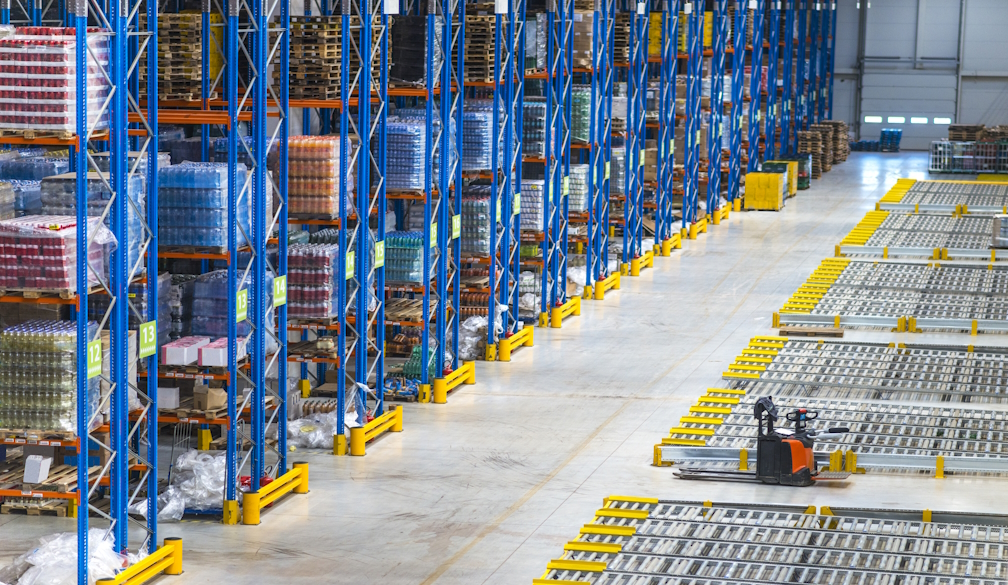
Pallet racking can play an important role in improving how warehouse products are supported, organised and accessed. BHD Storage Solutions provides storage equipment and racking solutions designed around different warehouse layouts, stock profiles, load requirements and operational needs.
When businesses review pallet racking, they should consider more than the product itself. Rack dimensions, load capacity, forklift access, storage density and the condition of existing equipment can all influence whether a particular solution is appropriate.
A well-planned pallet racking setup can support a more organised warehouse by giving products defined storage positions and making better use of available space. The final configuration should always match the site's actual conditions and intended loads.
Why Warehouse Storage Planning Matters
Efficient warehouse storage begins with a system that matches the stock, workflow and available space. Pallet racking can help businesses store goods vertically rather than spreading inventory across the floor. BHD Storage Solutions supplies and installs pallet racking systems across Australia and considers factors such as stock profiles, forklift access, load requirements and future growth.
Using Vertical Space
Floor space is often one of the most valuable resources in a warehouse. Pallet racking allows businesses to use available building height to create additional storage positions. With appropriate aisle widths and traffic planning, a well-designed system can increase capacity while keeping stock organised and accessible.
Choosing the Right System
There is no single rack layout that suits every warehouse. Selective pallet racking can provide direct access to individual pallets and may suit businesses with varied inventory. Other systems, including drive-in, narrow aisle, push-back, shuttle and mobile configurations, can address different storage density and access requirements.
Stock Access and Retrieval
A major consideration when planning pallet racking is how frequently products need to be accessed. Fast-moving stock may need to remain close to picking or dispatch areas, while slower-moving products can often be stored in less accessible positions. Matching rack layout to stock movement can make daily picking and replenishment more efficient.
Forklift Access and Aisles
Forklift type and aisle width have a direct effect on rack design. Counterbalance forklifts, reach trucks and narrow aisle equipment require different operating clearances. A warehouse layout should provide enough space for equipment to move, turn and retrieve pallets safely without creating unnecessary congestion.
Flexible Warehouse Storage
Warehouse stock and business requirements can change over time. Adjustable beams can allow storage levels to be repositioned for different pallet heights, while additional bays may be added where the layout permits. Planning for future changes can make the storage system more useful as the business grows.
Safety and Rack Protection
Warehouse traffic can expose racking to forklift impacts and other damage. Upright protectors, column guards and end-of-aisle barriers can help reduce the risk in high-movement areas. Regular inspections can also identify bent uprights, damaged beams, missing components and other issues that require attention.
Load Signage and Inspections
Clear load signage helps warehouse staff understand the safe working limits of the storage system. BHD recommends that load information be visible and updated when rack configurations or load ratings change. Regular inspections can help identify damage, with annual inspections conducted by a competent person and more frequent checks considered for high-traffic sites.
Considering Future Growth
A storage system should support both current stock and reasonable future changes. If inventory volumes are expected to increase, businesses can consider whether additional bays or adaptable layouts may be possible. BHD states that future growth is one of the factors it reviews when recommending a racking solution.
A Better Approach to Warehouse Capacity
The right pallet racking system should improve storage capacity without ignoring access, safety or workflow. By reviewing stock characteristics, load requirements, building dimensions, forklift access and future needs, businesses can choose a system that supports day-to-day operations while making better use of available space.
For businesses researching pallet racking, BHD Storage Solutions provides warehouse storage products and services backed by more than 20 years of industry experience. The company offers design, installation, maintenance, repairs, relocations and safety inspections, helping businesses consider storage capacity and operational requirements together.
A pallet racking layout should support efficient access as well as storage capacity.