Why Building Inspections Gippsland Are Essential for Property Buyers
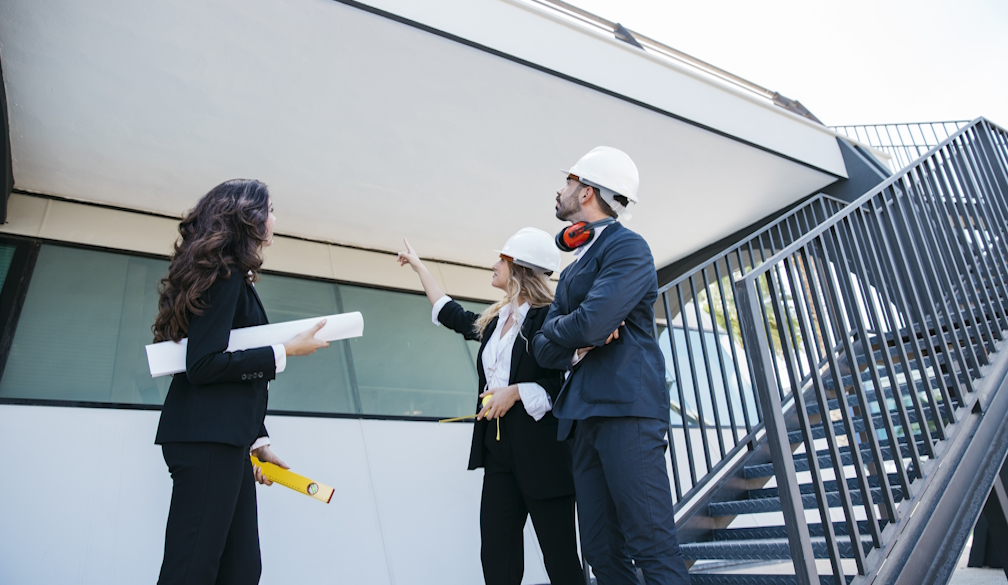
Purchasing a home or investment property is an exciting milestone, but it also involves careful consideration and due diligence. One of the most important steps in the property buying process is conducting a professional building inspection. Many buyers rely on building inspections Gippsland to assess the structural condition and safety of properties before making final decisions.
During property evaluations, experts often perform building and pest inspection Gippsland services to ensure that buildings are not only structurally sound but also free from pest-related damage. These inspections help buyers understand the full condition of a property and prevent costly surprises after purchase.
Understanding Building and Pest Inspections
Building and pest inspections involve detailed assessments conducted by qualified inspectors who examine both structural elements and potential pest activity within a property.
Structural inspections focus on evaluating the integrity of the building’s framework, including foundations, roofing, walls, and flooring.
Pest inspections identify signs of termite activity, wood decay, or other infestations that may compromise the structure of the building.
Combining these inspections provides a comprehensive overview of the property’s condition.
Protecting Buyers From Hidden Structural Issues
Structural problems can sometimes remain hidden until they cause visible damage.
Issues such as foundation movement, structural cracks, or water damage may not be obvious during a casual property viewing.
Professional inspectors use specialised techniques and experience to identify early signs of these issues.
By identifying structural concerns before purchasing the property, buyers can make informed decisions about whether repairs are necessary.
Identifying Pest Infestations
Pest infestations, particularly termite damage, can significantly affect the structural integrity of a building.
Termites often damage timber structures from the inside, making the damage difficult to detect without professional inspection.
Building and pest inspections help identify active infestations or previous pest damage.
Early detection allows buyers to address the issue before it becomes a major structural problem.
Assessing Roofing and Drainage Systems
Inspectors also evaluate the condition of roofing materials, gutters, and drainage systems.
Poor drainage or roof damage can lead to water leaks that affect interior structures.
Over time, water damage may weaken walls, ceilings, and floors.
Identifying these problems during an inspection allows buyers to plan repairs or negotiate adjustments with sellers.
Checking Safety and Compliance
Property inspections also help verify whether buildings comply with safety standards and construction regulations.
Inspectors examine features such as staircases, balconies, electrical systems, and ventilation.
Ensuring that these systems meet safety standards is important for protecting occupants and maintaining property value.
Compliance checks also help buyers avoid legal complications related to building regulations.
Helping Buyers Negotiate Property Prices
Inspection reports provide buyers with valuable information that may influence negotiations.
If inspections reveal structural defects or pest damage, buyers may request repairs or negotiate a lower purchase price.
This negotiation process ensures that buyers pay fair market value based on the property’s condition.
Inspection reports therefore play an important role in the property transaction process.
Supporting Long-Term Property Maintenance
Even after purchasing a property, inspections remain valuable for maintaining building health.
Regular inspections help homeowners detect early signs of deterioration or pest activity.
By addressing problems early, homeowners can prevent larger structural issues that require costly repairs.
Routine inspections contribute to the long-term durability of residential and commercial buildings.
Local Knowledge of Gippsland Properties
Properties in Gippsland may experience environmental factors such as moisture levels, soil movement, or timber construction methods that influence building conditions.
Local inspectors understand these regional factors and know what to look for when evaluating properties in the area.
Their expertise allows them to provide accurate assessments that reflect the specific challenges associated with properties in the region.
This local knowledge improves the reliability of inspection reports.
Conclusion
Building and pest inspections are essential steps in the property buying process. These inspections provide valuable insights into the structural condition of buildings and help identify potential risks before purchase.
By working with experienced inspectors, property buyers can gain confidence in their investment decisions and avoid costly repairs in the future. Thorough inspections help ensure that properties remain safe, stable, and valuable for years to come.