A Taste of the Himalayas in Fitzroy: Where Indian Meets Nepalese Cuisine
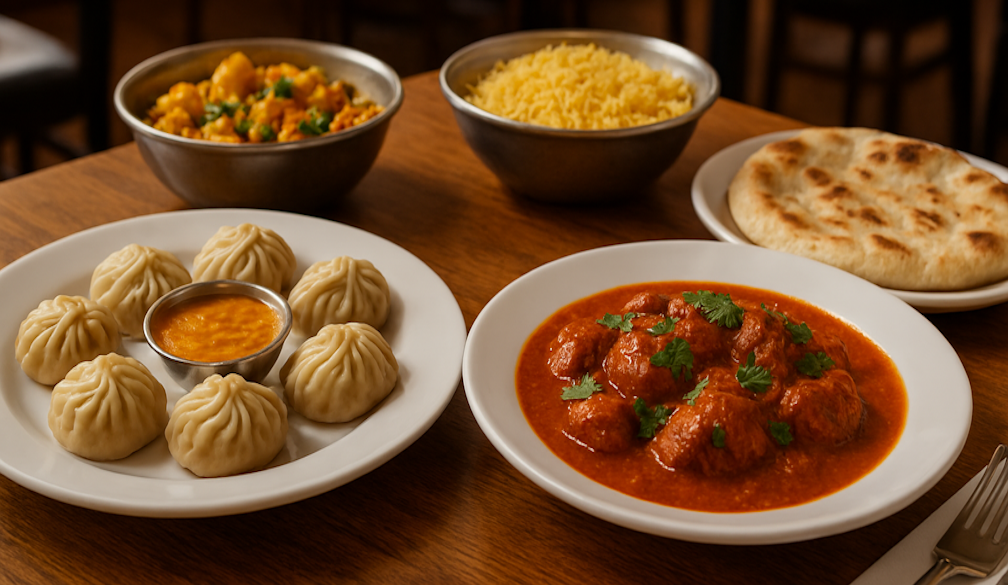
A taste of the Himalayas in Fitzroy isn’t about spectacle or novelty. It’s about familiarity shaped by migration, shared kitchens, and food that has evolved naturally through everyday cooking. The meeting of Indian and Nepalese cuisine here feels unforced because it reflects real lives rather than curated concepts.
In Fitzroy, this blend didn’t arrive as a trend. It grew slowly, through restaurants run by families and cooks who carried both traditions with them. Over time, what emerged was a style of dining that feels grounded, comforting, and quietly distinctive.
How the Himalayas Found a Home in Fitzroy
Fitzroy has long been a place where cultures overlap rather than sit side by side. Migrant communities have always shaped the suburb through work, food, and neighbourhood life, not through labels.
Indian and Nepalese communities share historical ties, similar spice foundations, and overlapping cooking techniques. When they settled in Melbourne, those connections naturally carried into kitchens. Fitzroy, with its openness to multicultural food and small independent venues, provided space for that overlap to be expressed openly.
The result was food that didn’t need explaining. It simply tasted right.
Where Indian Richness Meets Nepalese Restraint
Indian cuisine is often associated with depth, richness, and complex layering of spices. Nepalese cuisine, by contrast, leans toward balance, lightness, and clarity. When these approaches meet, the result is neither diluted nor confused.
Instead, dishes feel steady and complete.
Spices are present but measured. Sauces are flavourful without being heavy. Ingredients support one another rather than compete. This balance suits Fitzroy diners, who tend to appreciate food that rewards attention without demanding it.
Why Fitzroy Diners Embraced the Blend
Fitzroy has never demanded purity in food. What matters here is whether something feels honest.
Indian–Nepalese cuisine works in Fitzroy because it feels lived-in. It reflects how people actually cook when cultures mix — adjusting flavours, borrowing techniques, and responding to the people they serve.
Diners here don’t order based on national boundaries. They order based on how a meal makes them feel. That openness allows blended menus to thrive without needing to announce themselves as fusion.
The Role of Everyday Hospitality
Much of this culinary identity has been shaped by cooks who worked across both Indian and Nepalese kitchens. For many, this wasn’t a creative choice but a practical one — learning from colleagues, adapting recipes, and cooking for diverse customers.
Those experiences show up on the plate.
Flavours are adjusted through experience rather than theory. Dishes evolve slowly. What stays is what works.
This is why Fitzroy’s Indian–Nepalese food feels personal rather than conceptual.
A Dining Style That Fits Fitzroy’s Rhythm
Fitzroy’s eating habits favour flexibility. People share dishes. They mix plates. They eat late and return often. Meals are social but rarely formal.
Indian–Nepalese cuisine fits that rhythm effortlessly.
Small plates encourage sharing. Curries pair easily with rice and bread. Spice levels can be adjusted without losing character. Meals feel communal, not structured.
That adaptability makes this style of dining part of everyday Fitzroy life rather than an occasion.
Familiarity Over Novelty
What’s striking about Indian–Nepalese dining in Fitzroy is how unremarkable it feels — in the best possible way. It’s not treated as exotic. It’s treated as dependable.
Over time, diners stop thinking about where a dish comes from and focus on whether it’s satisfying. That shift marks the moment when a cuisine becomes part of a suburb’s identity rather than an import.
This is why people talk about finding the best Indian-Nepalese restaurant in Fitzroy with the same seriousness they talk about coffee or bread. Quality is assumed; execution is what matters.
Why This Blend Continues to Grow
Indian–Nepalese cuisine continues to grow in Fitzroy because it remains useful. It feeds people well. It suits different diets. It works for groups and solo diners alike.
Most importantly, it continues to evolve quietly.
New cooks bring new influences. Recipes adjust. Techniques refine. But the core remains grounded in shared tradition and practical cooking.
Fitzroy as a Mirror, Not a Stage
Fitzroy didn’t invent Indian–Nepalese cuisine. It provided a place where it could exist without being simplified or commercialised.
The suburb reflected what was already happening within communities — overlapping cultures, shared meals, and evolving food traditions. That reflection allowed the cuisine to settle naturally rather than perform.
Why This Taste of the Himalayas Feels Permanent
Food scenes change quickly, but food cultures built on lived experience last. Indian–Nepalese cuisine in Fitzroy is rooted in migration, work, and everyday life.
As long as Fitzroy remains a place where cultures intersect naturally, this style of dining will remain part of its fabric.
Not as a headline.
Not as a trend.
Just as food that belongs.