Why Dental Implant Treatment Is Considered the Gold Standard for Tooth Replacement
Tooth loss can affect far more than appearance. It can impact chewing ability, speech, confidence, and long-term oral health. Modern dental implant treatment offers a reliable and long-lasting solution that closely mimics the function and structure of natural teeth. Unlike temporary replacements, dental implants integrate with the jawbone, providing stability, comfort, and durability. This makes them a preferred option for restoring both function and confidence after tooth loss.
Understanding How Dental Implants Work
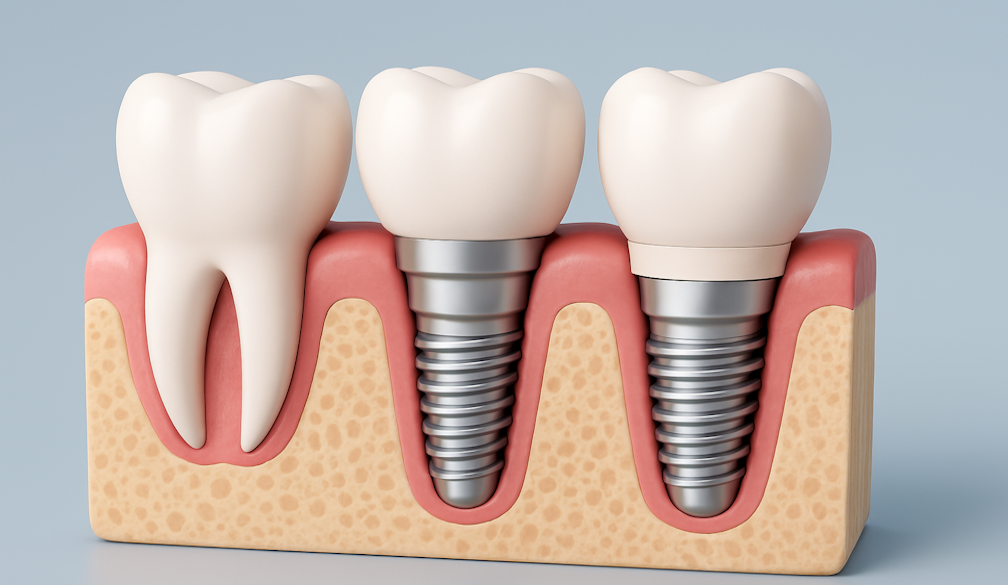
A dental implant is designed to replace the root of a missing tooth. It is placed into the jawbone, where it gradually integrates through a process known as osseointegration. Once the implant is securely bonded to the bone, it can support a crown, bridge, or denture. This integration creates a strong foundation that allows the replacement tooth to function like a natural one. Because the implant becomes part of the jaw structure, it offers stability that other tooth replacement options cannot match.
Why Replacing Missing Teeth Is Essential for Oral Health
Leaving a missing tooth untreated can lead to several complications. Adjacent teeth may shift into the empty space, affecting alignment and bite balance. Bone loss can occur in the jaw where the tooth root is no longer present, leading to changes in facial structure over time. Dental implants address these issues by stimulating the jawbone, helping preserve bone density and maintaining the natural shape of the face.
Comparing Dental Implants With Traditional Tooth Replacement Options
Traditional solutions such as removable dentures or dental bridges can restore appearance but often lack long-term stability. Dentures may shift or require adhesives, while bridges rely on neighbouring teeth for support. Dental implants stand apart by providing independent support without compromising adjacent teeth. Their secure placement allows for improved comfort, chewing efficiency, and confidence during daily activities.
The Role of Jawbone Health in Implant Success
Healthy jawbone structure is critical for successful dental implant treatment. Adequate bone density allows the implant to integrate securely and support chewing forces. Dentists assess bone quality through imaging before recommending implants. In cases where bone volume is reduced, preparatory procedures may be considered to support implant placement. This careful planning helps ensure long-term success and stability.
The Implant Placement Process Explained
Dental implant treatment is completed in stages to ensure precision and healing. The process begins with a thorough assessment and treatment plan. The implant is then placed into the jawbone under controlled conditions. After placement, a healing period allows the bone to integrate with the implant. Once integration is complete, a custom-made restoration is attached, completing the process. Each stage is carefully managed to maximise comfort and long-term outcomes.
Comfort and Recovery During Implant Treatment
Advancements in dental techniques have made implant treatment more comfortable than many patients expect. Local anaesthesia and modern procedures help minimise discomfort during placement. After the procedure, mild swelling or soreness is common but temporary. Dentists provide clear aftercare instructions to support healing and reduce discomfort. Most patients return to normal routines quickly while the implant continues to integrate.
Dental Implants and Natural Appearance
One of the key benefits of dental implants is their natural appearance. The final restoration is designed to match surrounding teeth in colour, shape, and size. Because implants are anchored securely, they do not shift or move when speaking or eating. This stability allows patients to smile and interact confidently without concern about their dental restoration.
Long-Term Durability and Reliability
Dental implants are known for their durability when properly cared for. With good oral hygiene and regular dental check-ups, implants can last many years. Their resistance to decay and secure integration with the jawbone contribute to their longevity. This long-term reliability makes dental implants a cost-effective solution over time compared to options that require frequent replacement or adjustment.
Maintaining Oral Hygiene With Dental Implants
Caring for dental implants is similar to caring for natural teeth. Daily brushing, flossing, and routine dental visits help maintain healthy gums and surrounding tissues. Regular professional care ensures that implants remain stable and free from complications. Maintaining good oral hygiene supports the longevity of the implant and overall oral health.
Restoring Confidence and Quality of Life
Tooth loss can affect self-esteem and daily comfort. Dental implants restore not only function but also confidence. Patients can eat, speak, and smile without restriction or worry. This improvement in quality of life is one of the most significant benefits of implant treatment, allowing individuals to regain comfort and assurance in social and professional settings.
Making an Informed Decision About Dental Implant Treatment
Choosing dental implant treatment is a personal decision that should be based on professional assessment and individual needs. Dentists evaluate oral health, bone structure, and long-term goals before recommending implants. Clear communication ensures patients understand the process, benefits, and expectations. Making an informed decision leads to better outcomes and long-term satisfaction.