Why Wisdom Teeth Extraction Is Important For Long-Term Oral Health
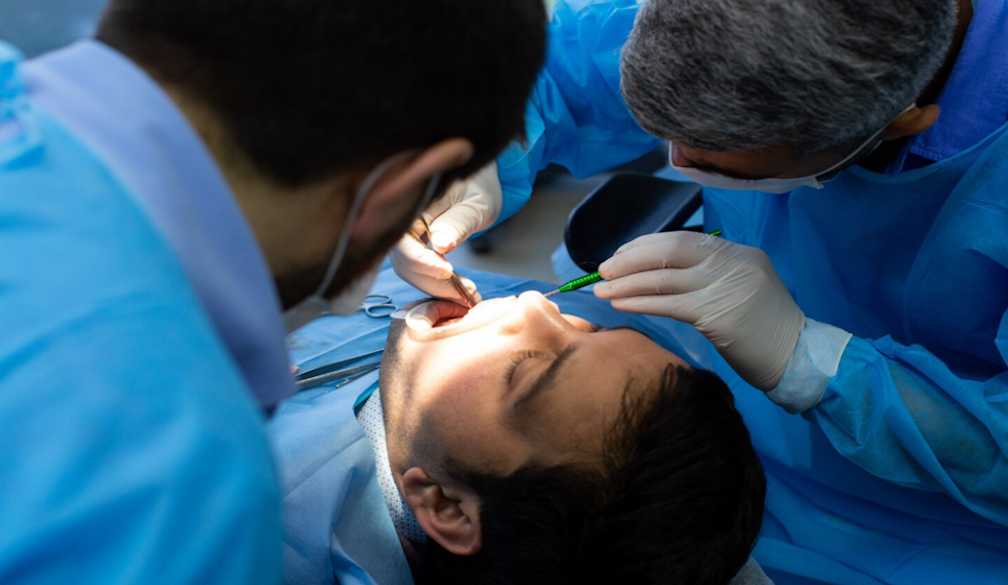
At some point, many people experience discomfort at the back of their mouth, often caused by emerging wisdom teeth. While these teeth were once useful for early humans, they often create more problems than benefits today. This is where Wisdom Teeth Extraction becomes an essential procedure, helping prevent pain, overcrowding, and potential complications that can affect overall oral health.
Wisdom teeth, also known as third molars, usually appear in late teens or early adulthood. However, due to limited space in the modern jaw, they often grow at awkward angles or fail to fully emerge, leading to a range of dental issues.
Understanding Why Wisdom Teeth Cause Problems
Unlike other teeth, wisdom teeth tend to erupt when the jaw has already developed fully. This lack of space can result in impacted teeth, where the tooth is trapped beneath the gum or grows sideways.
Impacted wisdom teeth can cause swelling, pain, and infection. They may also push against neighbouring teeth, leading to misalignment and crowding. In some cases, they create pockets where bacteria can accumulate, increasing the risk of gum disease.
Signs That You May Need Wisdom Teeth Removal
Recognising the symptoms early can help prevent more serious complications. Common signs include persistent pain at the back of the mouth, swelling of the gums, difficulty opening the jaw, and bad breath.
In some cases, wisdom teeth issues may not cause immediate pain but can still lead to long-term problems. Regular dental check-ups allow dentists to monitor the position and development of these teeth, recommending removal when necessary.
Preventing Damage To Surrounding Teeth
One of the main reasons for wisdom teeth extraction is to protect adjacent teeth. When wisdom teeth push against neighbouring molars, they can cause crowding and damage.
This pressure can lead to misalignment, affecting both the appearance and function of your teeth. Removing problematic wisdom teeth helps maintain proper alignment and prevents unnecessary complications.
Reducing The Risk Of Infection
Partially erupted wisdom teeth can create openings where bacteria can enter. These areas are difficult to clean properly, increasing the risk of infection and gum disease.
Infections around wisdom teeth can cause swelling, pain, and even difficulty swallowing. In severe cases, they may spread to other parts of the mouth. Extraction eliminates this risk and helps maintain better oral hygiene.
The Role Of Modern Dental Techniques
Advancements in dental technology have made wisdom teeth extraction a safe and efficient procedure. Dentists use advanced imaging techniques to assess the position of the teeth and plan the extraction carefully.
Modern techniques ensure minimal discomfort during the procedure. With the use of local anaesthesia and sedation options, patients can undergo the treatment with ease and confidence.
What To Expect During The Procedure
The extraction process typically involves removing the tooth carefully while minimising impact on surrounding tissues. Depending on the complexity, the procedure may be straightforward or require minor surgical intervention.
After the extraction, patients are given instructions to manage swelling and promote healing. Following these guidelines helps ensure a smooth recovery process.
Recovery And Aftercare
Recovery from wisdom teeth extraction usually takes a few days. During this time, it is important to follow the dentist’s advice, including maintaining oral hygiene and avoiding certain foods.
Mild swelling and discomfort are normal but can be managed with prescribed medications. Proper aftercare ensures that the healing process is smooth and reduces the risk of complications.
Long-Term Benefits Of Extraction
Removing problematic wisdom teeth offers several long-term benefits. It prevents crowding, reduces the risk of infection, and eliminates the discomfort associated with impacted teeth.
Patients often experience improved oral hygiene and overall comfort after the procedure. By addressing the issue early, they can avoid more complex treatments in the future.
Addressing Common Concerns
Many people feel anxious about wisdom teeth extraction, often due to misconceptions about pain and recovery. However, modern dentistry has made the procedure much more comfortable than expected.
With proper care and guidance, most patients recover quickly and return to their normal routine within a short period. Understanding the process helps reduce anxiety and build confidence.
Conclusion: A Preventive Step Towards Better Oral Health
Wisdom teeth extraction is a proactive step that helps protect your oral health and prevent future complications. By addressing issues early, you can avoid pain, infection, and misalignment.
With the support of experienced dental professionals and modern techniques, the procedure is safe, efficient, and highly beneficial. In the long run, removing problematic wisdom teeth ensures a healthier, more comfortable smile.