From the Racetrack to the Wrist: The Sports Partnerships Behind Richard Mille
Few watchmakers have tied their identity to elite sport as closely as Richard Mille. Founded in 2001, the brand set out to apply the thinking of motorsport engineering, with its obsession with weight, shock resistance, and advanced materials, to the wristwatch. What followed was a series of partnerships with athletes who did not simply wear the watches for photographs but competed in them. Those collaborations shaped the products and explain much of what collectors find interesting about the brand.
Why Sport and Watchmaking Pair So Well
A traditional luxury watch is designed to be admired and treated with care. A watch built for a tennis player, a sprinter, or a racing driver faces a different test. It must be light enough that the wearer forgets it is there, strong enough to survive violent movement, and precise enough to keep reliable time through stress. Meeting these goals pushes designers towards unusual materials and construction.
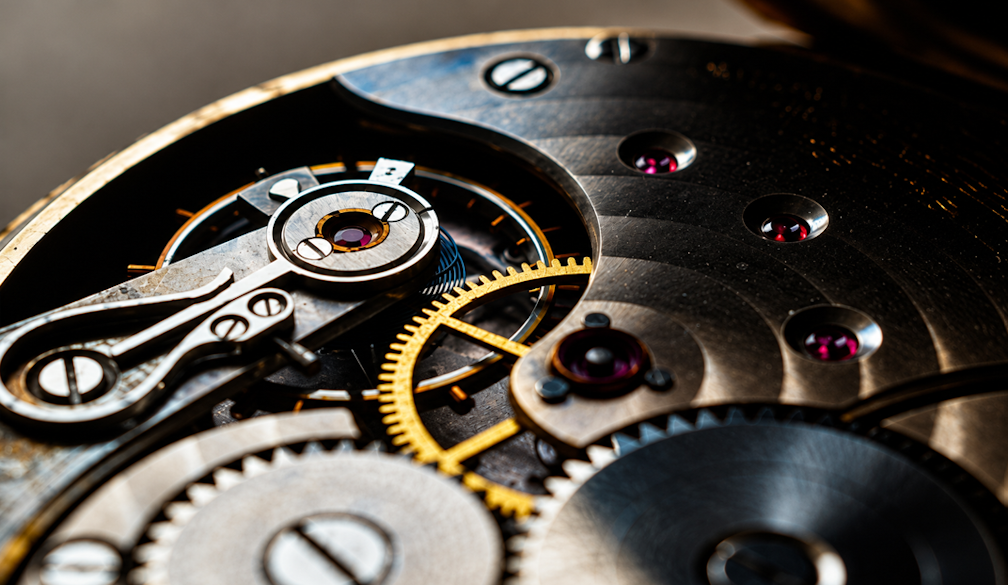
That is the thinking behind many modern Richard Mille watches. The brand became known for cases made from carbon composites, ceramics, and titanium, and for movements that are skeletonised so that every part carries a purpose. The visual drama of an exposed mechanism also reflects the logic of sport, where equipment is stripped of anything unnecessary.
The relationship with athletes is practical as well as promotional. Feedback from people who wear a watch under real conditions shows engineers where a strap loosens, how a crown holds up under impact, or whether a movement can withstand sudden acceleration. Few traditional watch brands have applied that approach so directly.
Tennis and the Tourbillon Under Impact
The best-known example is the partnership with Spanish tennis star Rafael Nadal, who has worn Richard Mille watches during matches. A tennis stroke generates repeated, sharp shocks, and wearing a mechanical timepiece during play was long considered impractical. A tourbillon, a delicate mechanism designed to improve accuracy by rotating the escapement, is especially sensitive. The concept is described in the overview of the tourbillon, which shows why putting one on a competing athlete's wrist was a bold engineering statement.
To make such a watch viable, designers rely on lightweight materials, shock-absorbing suspension for the movement, and very secure fastening. Watches made this way weigh a fraction of a traditional gold or steel model, which changes how they feel on the wrist. For collectors, that connection between a real athletic story and a mechanical achievement is a large part of the appeal.
Authenticity and condition matter as much as history, so check serial numbers, ask for papers and service records, and buy from a dealer who can document a watch's provenance. A specialist dealer in richard mile watches can show collectors how references differ and what to expect from servicing and care. The team at Watch Craze noted that buyers who learn the story of a reference tend to make more confident decisions, because they know why a particular case shape or movement exists.
Motorsport, Track, and Beyond
Motorsport has also influenced the brand's design language. Racing teams care about aerodynamics, balance, and low weight, and these principles appear in the tonneau-shaped cases and open-worked dials found throughout the range. The brand has collaborated with automotive names, including high-profile partnerships with racing drivers and car makers, and those relationships feed into the watches' finishing, colours, and materials.
Athletes from other sports, including sprinters and golfers, have been associated with the label as well. Each partnership has a different physical demand, from the explosive start of a sprint to the repeated swing of a golf club, and each provides data about what a watch must withstand.
Not every owner plays sport, of course. Many collectors enjoy the pieces as examples of what modern watchmaking can achieve, and they appreciate the story behind the engineering even if they never wear the watch near a court or circuit.
Buying With Context
Because these watches are expensive and in high demand, knowing the story behind a model helps buyers decide what they are really looking for. Some prefer pieces tied to a particular athlete or discipline, while others focus on a material, such as carbon, or a complication, such as a tourbillon or chronograph. Understanding the intent behind each model helps buyers see value beyond the logo.
Richard Mille proved that a luxury watch does not have to be delicate. By testing ideas against the demands of sport, it turned the wristwatch into a piece of performance equipment, and that idea continues to define its place in the world of high watchmaking.
Photo by Lukas Tennie on Unsplash