Protein Bars Supporting Convenient Nutrition for Active Lifestyles
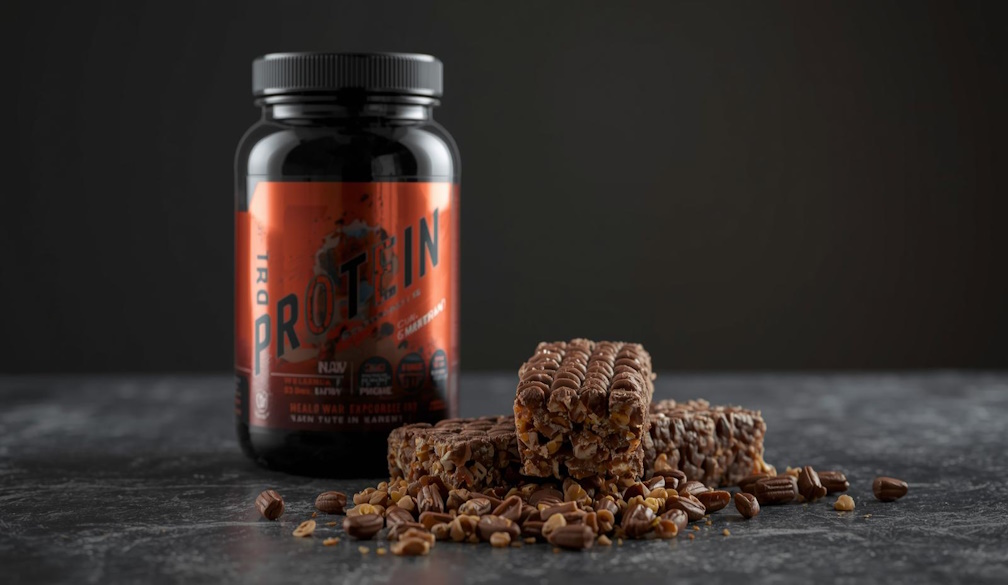
Choosing protein bars has become a practical solution for people who want reliable nutrition without disrupting busy schedules. Whether someone is training regularly, managing long workdays, or simply trying to eat more mindfully, protein bars offer a convenient way to support daily protein intake. They fit easily into modern routines, providing a quick option when full meals are not always accessible.
Protein plays a critical role in muscle repair, recovery, and overall body function. Protein bars make it easier to meet daily requirements, especially for individuals who are physically active or frequently on the move. Their portability and ease of use have made them a popular choice across fitness levels and lifestyles.
Understanding the Role of Protein in Everyday Nutrition
Protein is essential for maintaining muscle tissue, supporting recovery, and contributing to overall metabolic health. During physical activity, muscles experience stress that requires adequate protein intake to repair and adapt.
Without consistent protein intake, recovery can slow, muscle maintenance becomes more difficult, and overall performance may decline. Protein bars help bridge nutritional gaps by delivering a controlled amount of protein in a simple and accessible format.
Why Protein Bars Fit Modern Lifestyles
Busy schedules often make it challenging to prepare balanced meals throughout the day. Protein bars provide a convenient alternative that does not require preparation, refrigeration, or utensils.
This convenience makes them ideal for workdays, travel, post-workout recovery, or quick snacks between meals. For many people, protein bars offer a practical way to stay consistent with nutrition goals despite time constraints.
Protein Bars and Muscle Recovery
After exercise, the body needs protein to repair muscle fibres and support recovery. Consuming protein shortly after training helps stimulate muscle protein synthesis, the process responsible for muscle repair and growth.
Protein bars can be used as a post-workout option when preparing a meal is not immediately possible. Their quick availability supports recovery timing, which is an important factor in long-term training progress.
Supporting Energy and Satiety
In addition to protein, many protein bars contain carbohydrates and fats that contribute to overall energy intake. This combination helps support energy levels and provides a feeling of fullness.
Protein contributes significantly to satiety, helping individuals feel satisfied for longer periods. This can be useful for managing appetite between meals and maintaining steady energy throughout the day.
Protein Bars for Training and Non-Training Days
Protein needs do not disappear on rest days. The body continues to repair and maintain muscle tissue even when not actively training.
Protein bars offer a simple way to maintain consistent protein intake on both training and non-training days. This consistency supports muscle maintenance and overall nutritional balance.
Portion Control and Nutritional Awareness
One of the advantages of protein bars is portion consistency. Each bar provides a defined amount of protein, making it easier to track intake.
For individuals managing specific nutrition goals, this predictability supports better planning. Rather than guessing portion sizes, protein bars offer clarity and convenience.
Protein Bars and Active Work Environments
People with physically demanding jobs or active workdays often require additional nutritional support. Protein bars can be easily carried and consumed during breaks, helping maintain energy and muscle support.
This makes them useful not only for athletes but also for individuals whose daily routines involve physical exertion or long hours without regular meal breaks.
Balancing Protein Bars With Whole Foods
While protein bars are convenient, they work best as part of a balanced diet. Whole foods provide a wide range of nutrients that support overall health.
Protein bars are most effective when used to complement meals rather than replace them entirely. This balanced approach ensures nutritional variety while still benefiting from convenience.
Digestibility and Ease of Consumption
Modern protein bars are designed to be easy to digest, making them suitable for consumption before or after activity. This helps avoid discomfort while still delivering nutritional benefits.
Their solid form also makes them easy to transport without spills or preparation, further supporting consistent use.
Protein Bars and Weight Management Goals
Protein plays an important role in both weight gain and weight management strategies. Adequate protein intake supports muscle maintenance during calorie-controlled diets and contributes to satiety.
Protein bars can be used strategically depending on individual goals. They may support muscle-building efforts when paired with sufficient calories or help manage hunger when used thoughtfully within daily intake.
Choosing Protein Bars That Align With Individual Needs
Not all protein bars are the same. Protein content, ingredient quality, and overall nutritional balance vary across options.
Selecting protein bars that align with personal goals and preferences supports better outcomes. Paying attention to protein quantity and overall formulation helps ensure the bar contributes positively to daily nutrition.
Consistency and Long-Term Nutrition Habits
Consistent nutrition habits are key to achieving long-term health and fitness goals. Protein bars support consistency by offering a reliable option when meals are delayed or unavailable.
Rather than skipping nutrition altogether, having protein bars available helps maintain steady intake. This reliability supports recovery, performance, and general wellbeing over time.
Protein Bars Beyond the Gym
Protein bars are not limited to gym use. They suit a wide range of lifestyles, including office workers, travellers, students, and individuals with unpredictable schedules.
Their versatility makes them a convenient option for anyone aiming to maintain balanced nutrition throughout the day.
Managing Expectations Around Convenience Foods
Protein bars provide nutritional support, but they are not a replacement for a varied diet. Understanding their role helps set realistic expectations.
They are designed to support nutrition, not solve all dietary needs. When used alongside balanced meals and healthy habits, they contribute effectively to overall wellness.
Making Informed Choices About Protein Bars
Choosing protein bars thoughtfully involves understanding personal activity levels, protein needs, and overall dietary patterns. Informed decisions help ensure the bars add value rather than excess.
When used consistently and strategically, protein bars support muscle recovery, energy levels, and nutritional balance.